All Plants
Browse our collection of 77 plant varieties.
Grow-to-order: We start most plants from seed after you order. Place your order early and we grow your plants until the weather is ready — then pick up in Big Pine or get local delivery. You can also find us at weekend sales at our home, farmers markets in Big Pine and Bishop, and tribal community events throughout the season.
Tomatoes
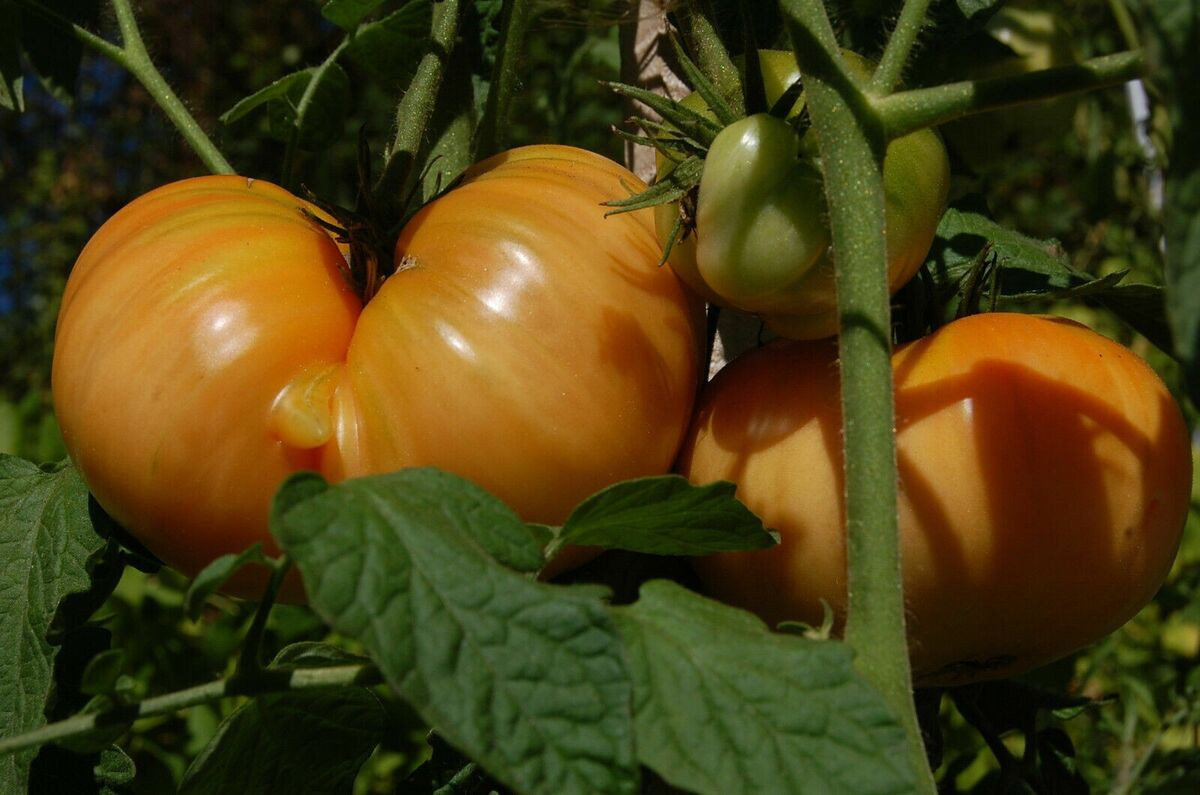
Beefsteak Tomatoes
Large, meaty slicing tomatoes that are the crown jewel of any summer garden. These hefty fruits can weigh a pound or more and are perfect for BLTs, thick slices on burgers, or simply eaten with a pinch of salt. Varieties may include: Beefsteak, Big Boy, Mortgage Lifter, and other large-fruited selections suited to our climate. Growing tips: Beefsteak types need the longest season of any tomato — start early indoors and transplant after last frost. In Big Pine's climate, provide afternoon shade cloth if temperatures exceed 100°F, as blossoms may drop in extreme heat. Heavy fruits need strong caging or staking. Water deeply and consistently to prevent blossom end rot.
$4.00
Tomatoes
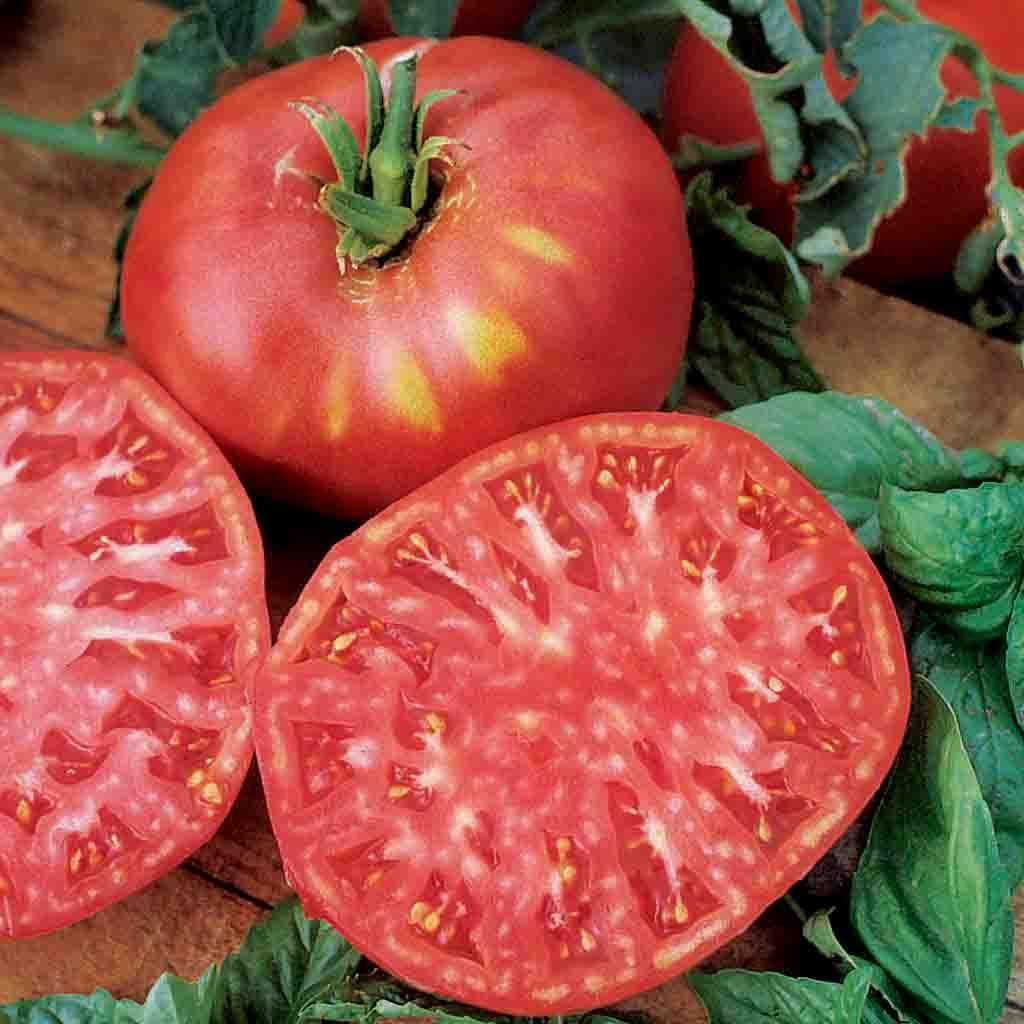
Brandywine Tomatoes
The legendary Brandywine — often called the best-tasting tomato in the world. These large, pink heirloom fruits have a rich, complex flavor with the perfect balance of sweetness and acidity that modern hybrids have never matched. History: Brandywine dates back to 1885 and is an Amish heirloom variety. It has potato-leaf foliage, which makes it easy to identify in the garden. Growing tips: Brandywine is an indeterminate variety that needs a long season and strong support. It is not the heaviest producer, but every fruit is worth the wait. In Big Pine, start seeds early indoors (late February/March) to give them the head start they need. Provide consistent deep watering and don't let the soil dry out — cracking is the enemy of a perfect Brandywine.
$4.00
Tomatoes
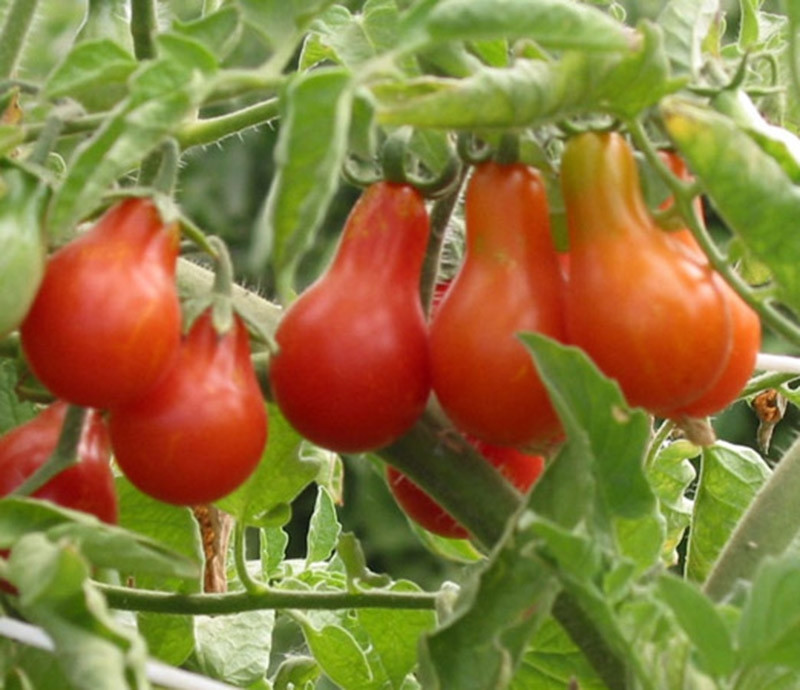
Cherry Tomatoes
Sweet, bite-sized tomatoes perfect for snacking straight off the vine, tossing in salads, or roasting for pasta. Our cherry tomato selection includes a range of colors and flavors — from classic red to golden and even dark varieties. Varieties may include: Sweet 100, Sun Gold, Black Cherry, and other proven performers for high-desert gardens. Growing tips: Cherry tomatoes are among the most productive plants in the garden. They thrive in full sun with consistent watering and benefit from sturdy caging or staking. In the Owens Valley, plant after the last frost (mid-May) and expect harvests from mid-July through first frost. Pinch suckers for larger fruits or let them bush out for maximum yield.
$4.00
Flowers
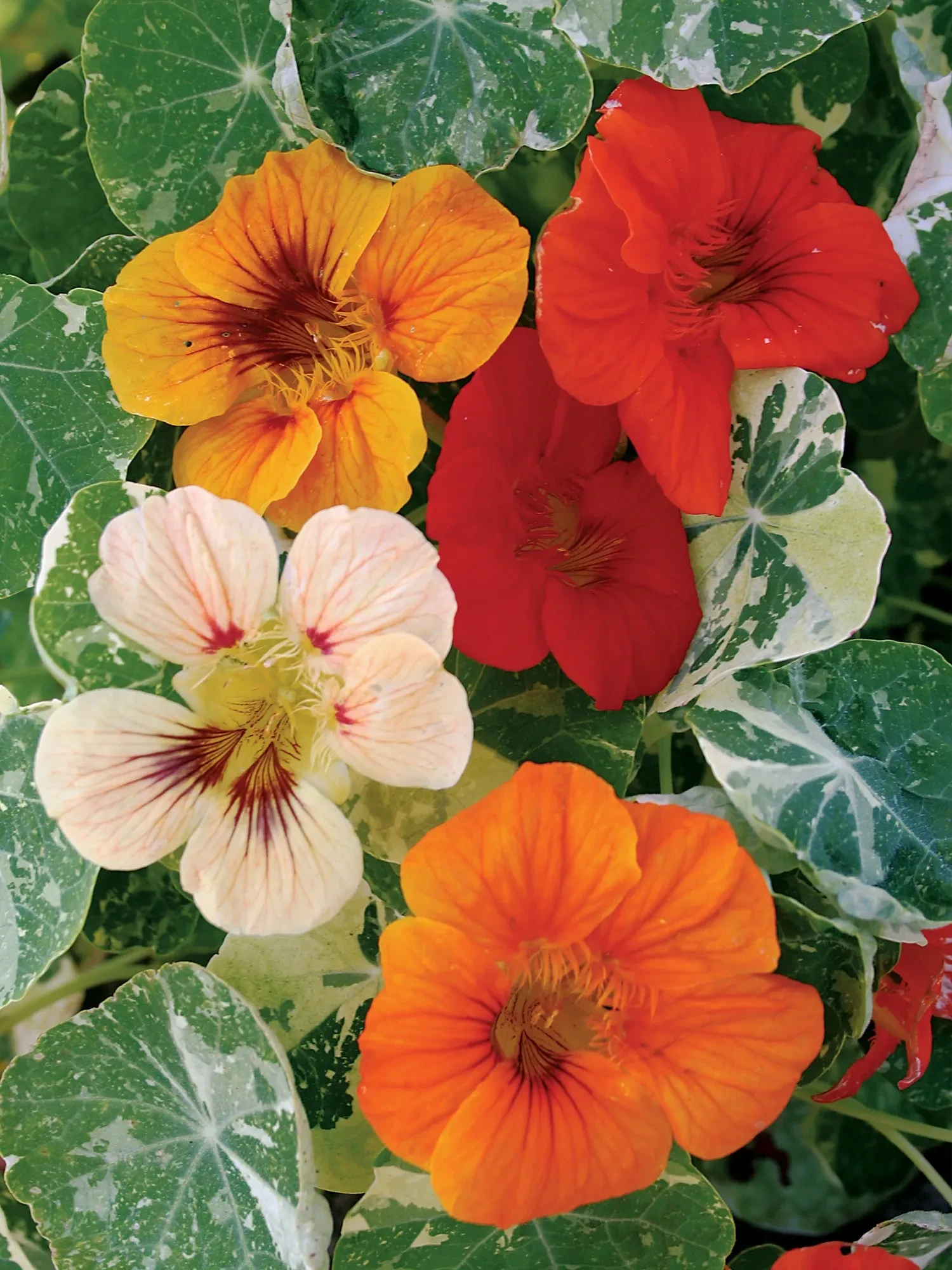
Nasturtium
Edible flowers and trailing vines in warm tones of orange, red, and yellow. Both the peppery flowers and round lily-pad leaves are edible — a garden plant that feeds your eyes and your salad bowl. Growing tips: Direct sow after last frost — nasturtiums resent transplanting. They actually prefer poor soil — too much fertility produces lots of leaves and few flowers. Our lean Owens Valley soil is perfect. Nasturtiums are excellent companion plants — they trap aphids away from your vegetables (a "sacrifice crop") and attract predatory insects. Stuff flowers with herbed cream cheese for an elegant appetizer, toss petals in salads, or pickle the seed pods as "poor man's capers."
$4.00
Herbs
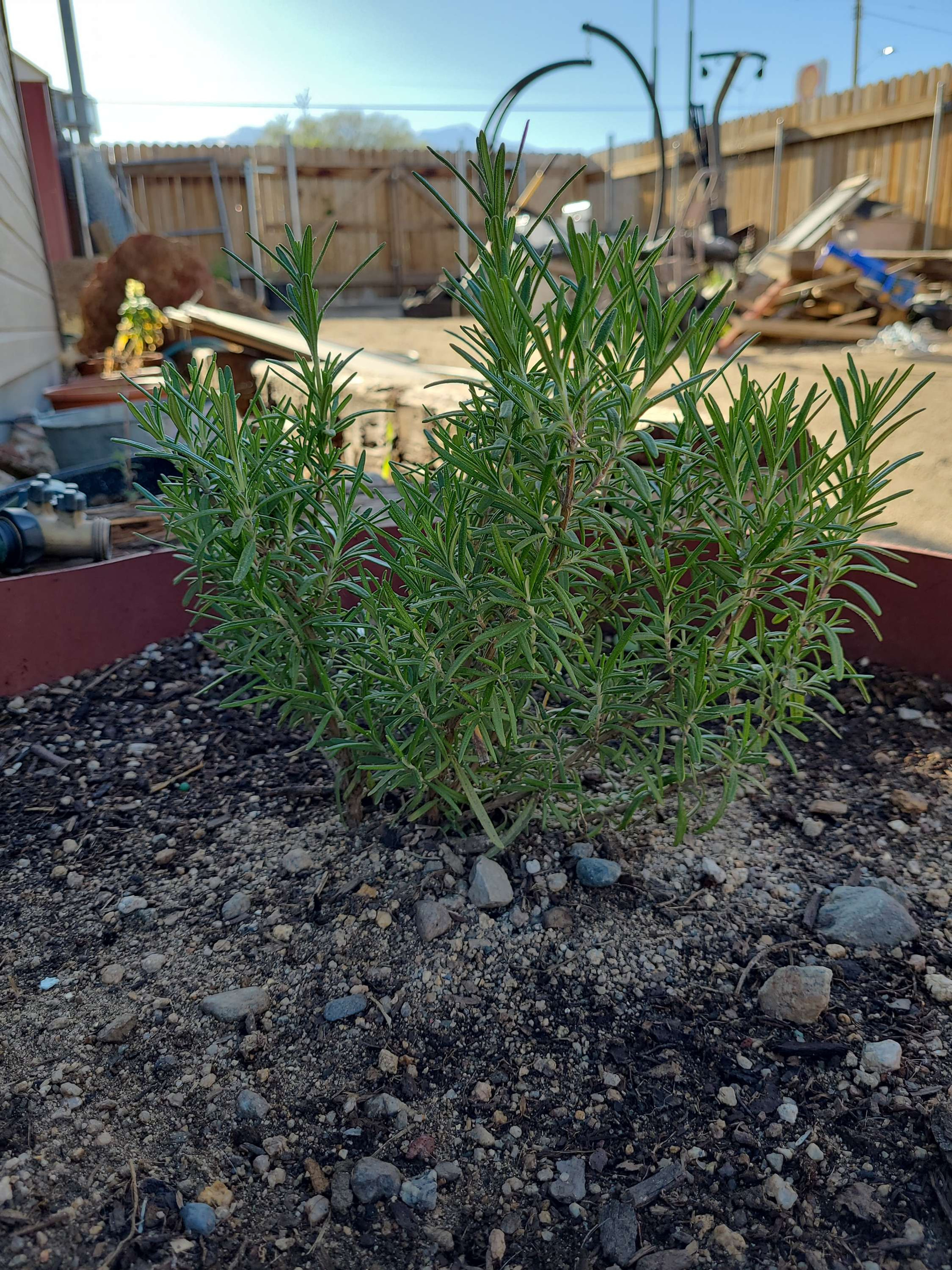
Rosemary
Aromatic, drought-tolerant rosemary — a perennial herb that earns its place in every garden. Wonderful for roasting meats, flavoring bread, infusing olive oil, and simply brushing past for the fragrance. Growing tips: Rosemary is a Mediterranean native that loves our dry Owens Valley climate. Once established, it needs very little water. Full sun, well-drained soil, and protection from the harshest winter winds are all it asks. In Big Pine, it may need winter mulching in exposed locations. One plant provides more rosemary than most cooks can use. Prune regularly to maintain shape and encourage bushy growth. Excellent in containers on a sunny patio.
$6.00
Peppers
Stuffing Peppers
Big, thick-walled peppers with roomy cavities — built for stuffing with rice, meat, cheese, and grains. These are the workhorses of the pepper world, holding their shape beautifully when baked. Varieties include: California Wonder (sweet — the classic thick-walled bell, perfect stuffed and baked), Poblano 🌶️ (mild — the chile relleno pepper with rich, earthy flavor), Cubanelle (sweet — thin-skinned Italian frying pepper, excellent stuffed small), and Anaheim 🌶️ (mild — mild green chile with long cavities ideal for stuffing). Growing tips: Stuffing peppers need warm soil and consistent heat to develop thick walls. In the Owens Valley, transplant after soil reaches 65°F — usually late May. Give plants 18 inches of spacing and stake heavy-fruited varieties. Harvest green for milder flavor or let ripen to red, orange, or yellow for sweeter, more complex taste. Our hot days and cool nights produce excellent sugar development in peppers.
Contact for pricing
Flowers
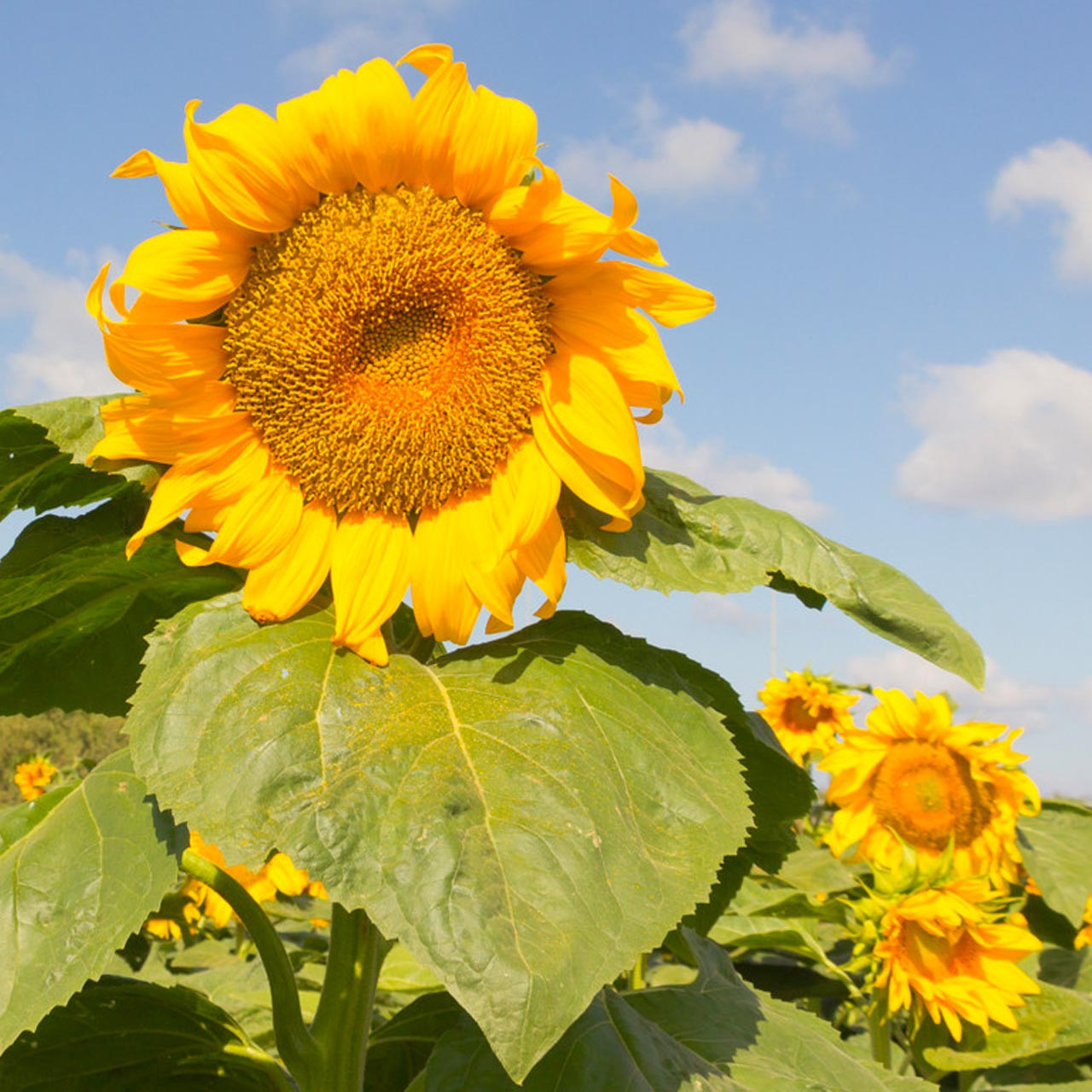
Sunflowers
Cheerful, towering sunflowers that are the ultimate garden showstopper. Our selection includes giant varieties for the back of the border and smaller types for cutting gardens. A magnet for pollinators, birds, and smiles. Varieties include: Mongolian Giant (8-12 feet tall with massive dinner-plate-sized heads), Red Torch (stunning red and yellow bicolor blooms), Ring of Fire (striking red and yellow flame pattern, 4-6 feet), and other selections. Growing tips: Direct sow after last frost — sunflowers grow fast and do not like transplanting. Mongolian Giants need staking or support in windy areas. Our Owens Valley sun produces excellent sunflowers with strong stalks and heavy seed heads. Leave spent heads for the birds in fall, or harvest seeds for roasting. Sunflower roots exude allelopathic compounds — rotate their location each year.
$4.00
Services
A La Carte Consulting Services
Individual consulting sessions for specific garden questions or challenges. No need for a full consultation — just focused, expert help on exactly what you need. Choose from topics like: - Pest and disease identification — what is eating your plants and how to stop it organically - Soil improvement strategies — building healthy soil in our alkaline, high-desert conditions - Irrigation planning — efficient watering systems for our dry climate - Companion planting guidance — which plants help each other thrive - Season extension techniques — cold frames, row cover, and strategies to grow more in our short season - High-desert gardening tips — specific advice for the Owens Valley's elevation, soil, and climate Contact us to discuss your needs and schedule a session. Each session is focused on solving your specific problem.
Contact for pricing
Herbs
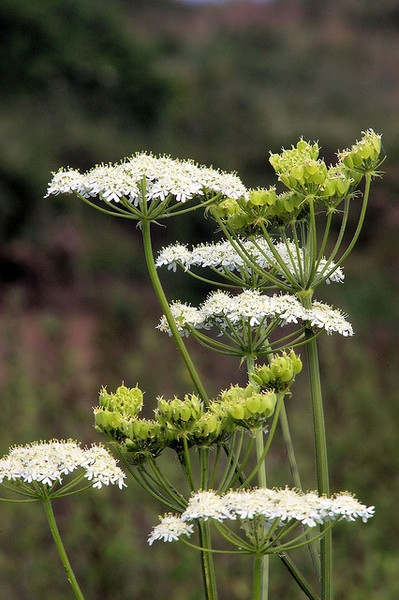
Anise
Sweet, warm, licorice-flavored herb used in baking, teas, liqueurs, and Mediterranean/Middle Eastern cooking. The seeds are the main harvest — wonderful in cookies, bread, and chai spice blends. Growing tips: Anise needs a long, warm growing season to produce seeds — our Owens Valley summers are ideal. Direct sow in spring after frost danger. Plants grow 18-24 inches tall with delicate, feathery foliage and white flower umbels. Harvest seed heads when they turn gray-brown and dry them fully before storing. The leaves are also edible and have a milder anise flavor — add young leaves to salads. Anise pairs beautifully with fennel and star anise in spice blends.
$4.00
Greens & Lettuce
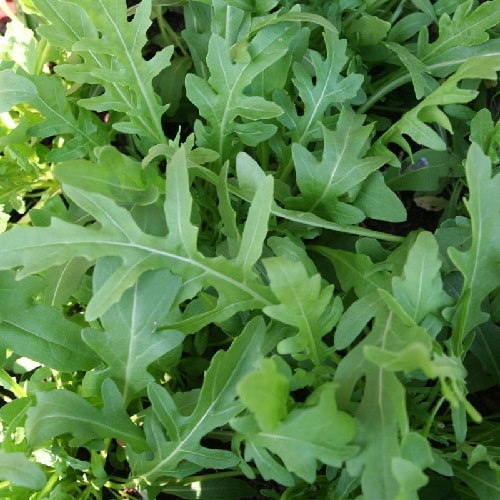
Arugula
Peppery, bold-flavored greens ready to harvest in just 3-4 weeks from seeding. Arugula adds a spicy kick to salads, sandwiches, pizza, pasta, and anywhere you want a flavor punch. Growing tips: One of the easiest and fastest greens to grow. Direct sow in early spring or fall — arugula bolts quickly in hot weather, so time your plantings. Succession plant every 2-3 weeks for continuous harvest. In our Owens Valley climate, arugula thrives in spring and fall but needs shade cloth in summer. Baby leaves are milder; mature leaves are spicier. Let some plants bolt — the flowers are edible and the self-sown seeds give you a free fall crop.
$4.00
Herbs
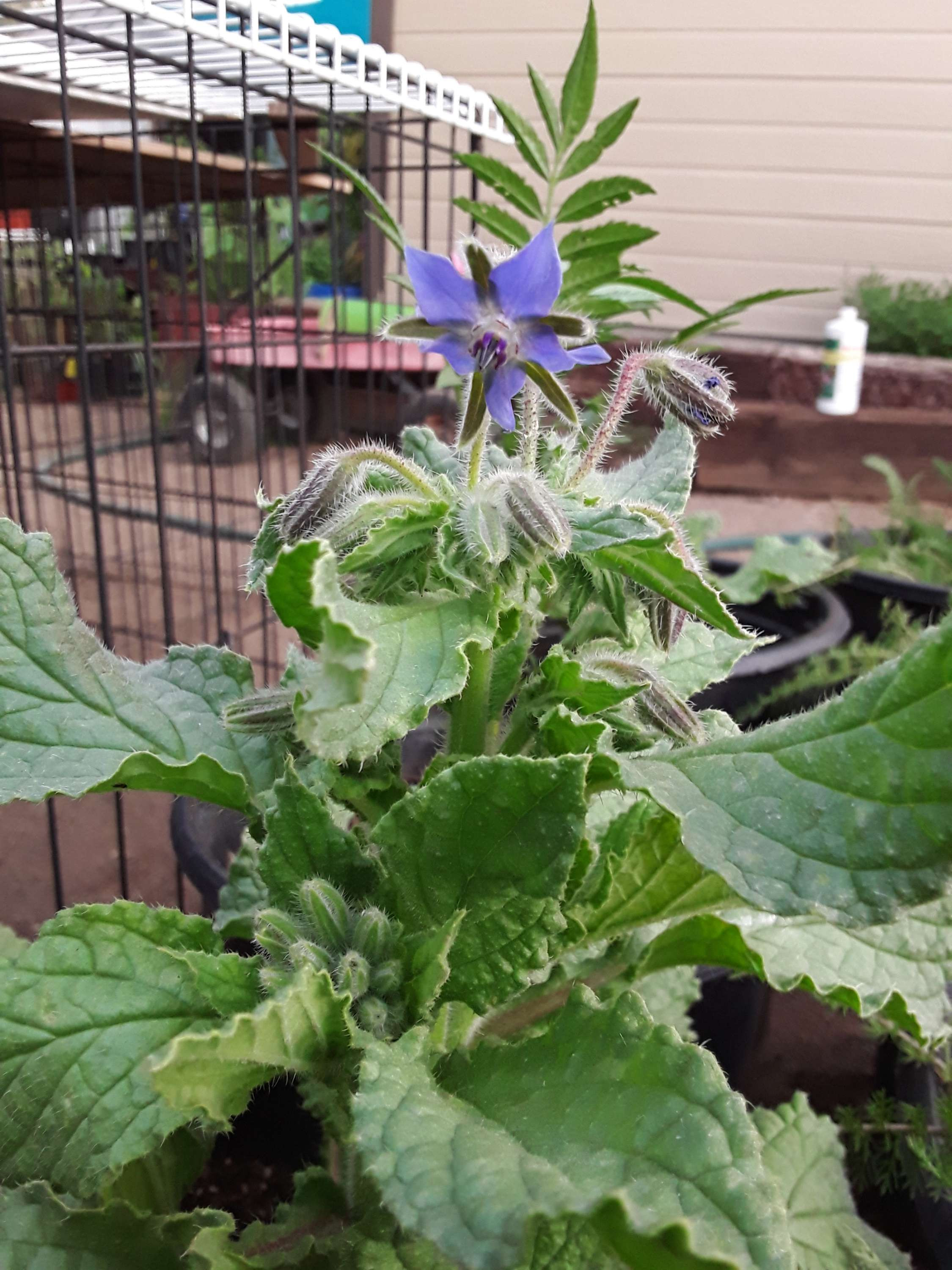
Borage
Beautiful blue star-shaped flowers with a mild cucumber flavor. Borage is a triple-threat: ornamental beauty, culinary herb, and powerhouse companion plant that draws pollinators from across the garden. Growing tips: Direct sow in spring — borage does not transplant well but grows quickly from seed. It self-sows enthusiastically, so you will likely only need to plant it once. The flowers are stunning frozen in ice cubes for summer drinks. Young leaves taste like cucumber and are excellent in salads, though they get prickly when mature. Borage is one of the best companion plants for tomatoes, squash, and strawberries — it repels tomato hornworm and attracts pollinators.
$6.00
Flowers
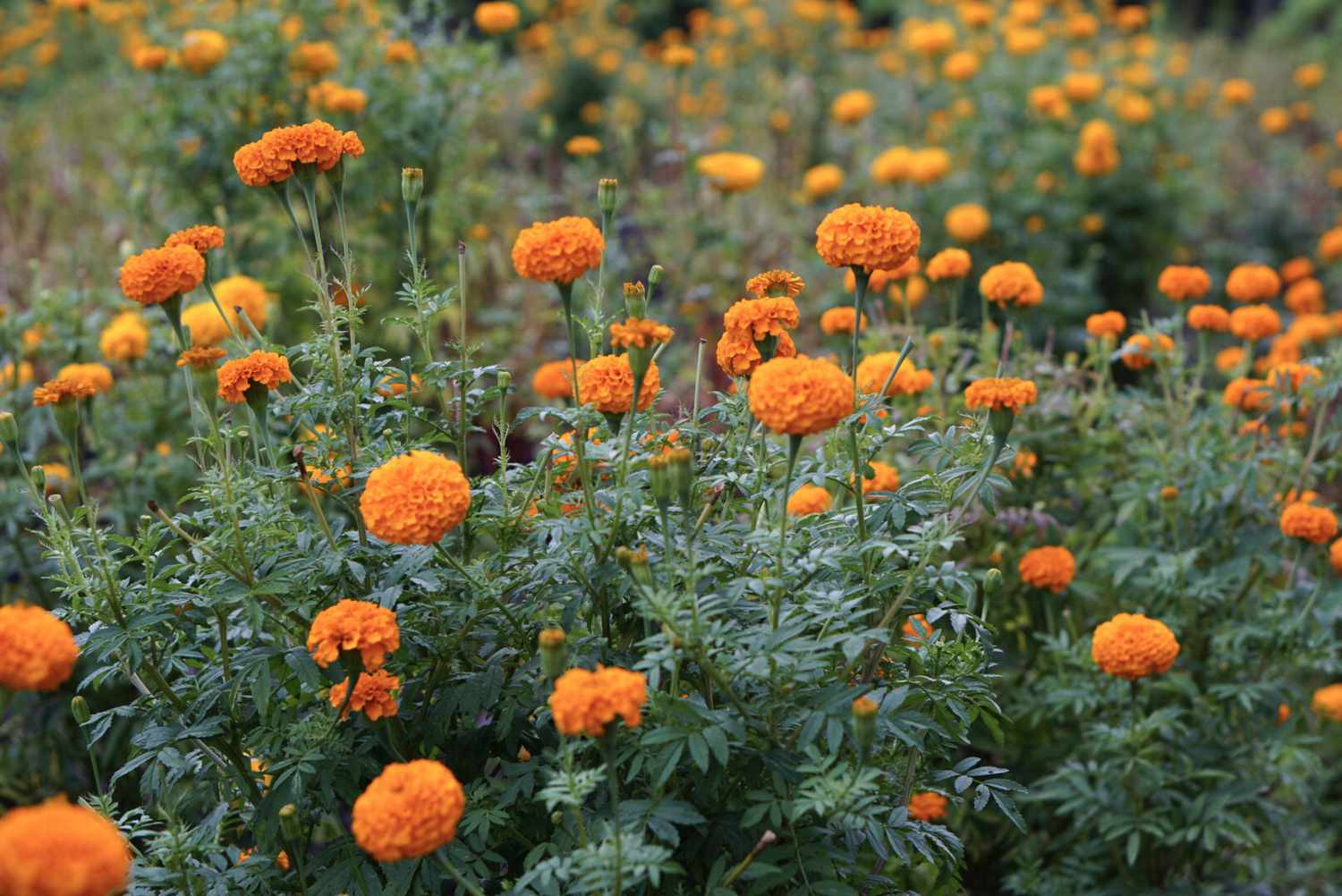
Calendula Marigold
Medicinal calendula (pot marigold) with edible orange and yellow petals — not to be confused with common marigolds. Calendula is used in healing salves, skin care products, herbal teas, and as a beautiful edible flower. Growing tips: Calendula is one of the most useful plants in the garden. The petals have anti-inflammatory and skin-healing properties — infuse them in olive oil for a soothing salve. Scatter fresh petals in salads for a pop of color, or use as a natural food coloring (sometimes called "poor man's saffron"). Calendula prefers cool weather and blooms best in spring and fall. In our climate, it self-sows readily and often pops up in unexpected places — a welcome volunteer.
$4.00
Flowers
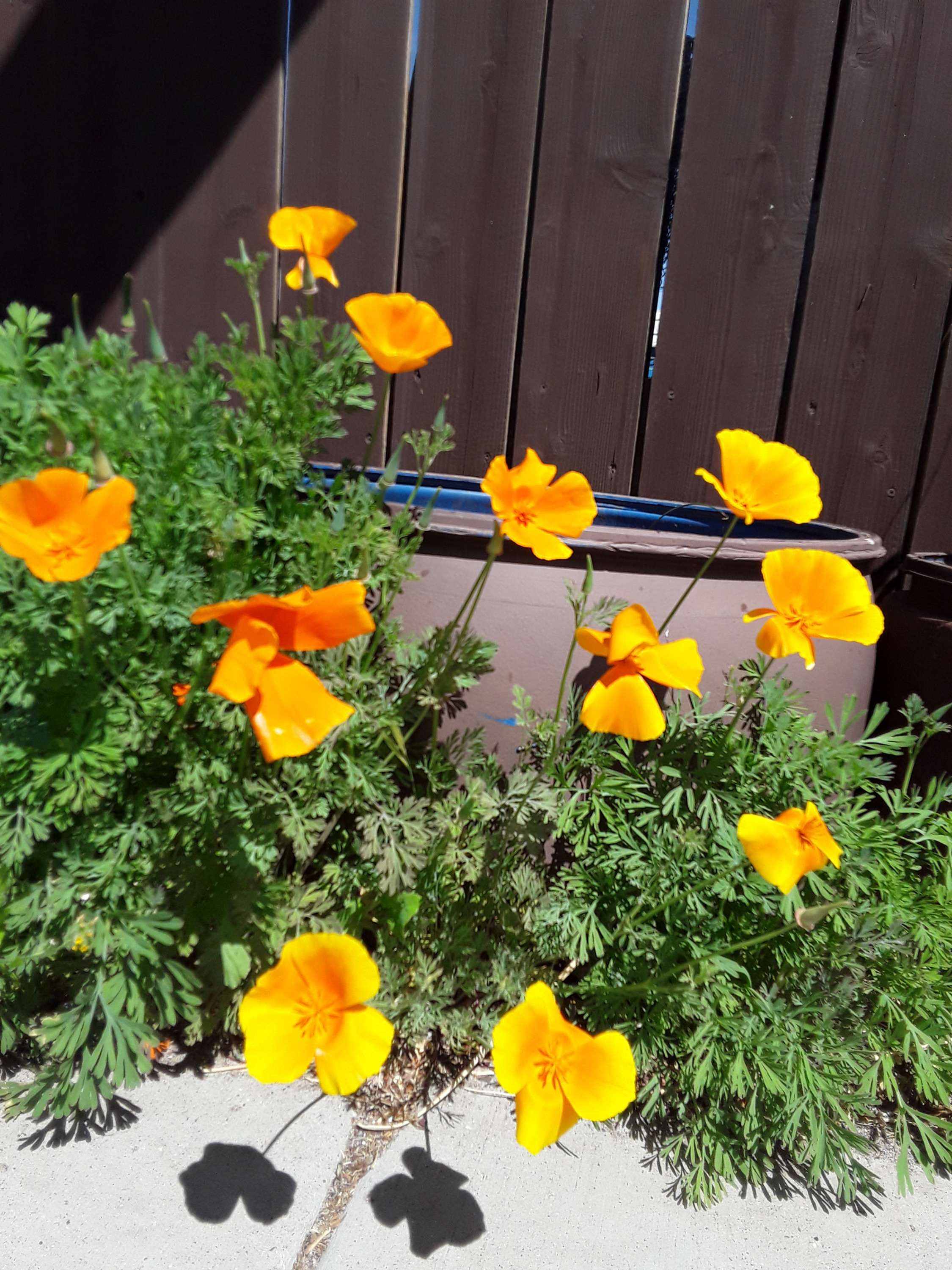
California Poppies
Golden California state flower — a drought-tolerant wildflower that self-sows for effortless beauty year after year. The silky, tissue-paper petals glow in the sun and close on cloudy days. Growing tips: Scatter seeds in fall or very early spring directly on prepared soil — California poppies need no pampering. They thrive on neglect and actually prefer our poor, well-drained Owens Valley soil. Overwatering and rich soil make them leggy. Once established, they self-sow prolifically and naturalize beautifully. They are perennial in our climate, dying back in winter and returning in spring. The blue-green ferny foliage is attractive even when plants are not in bloom.
$4.00
Herbs
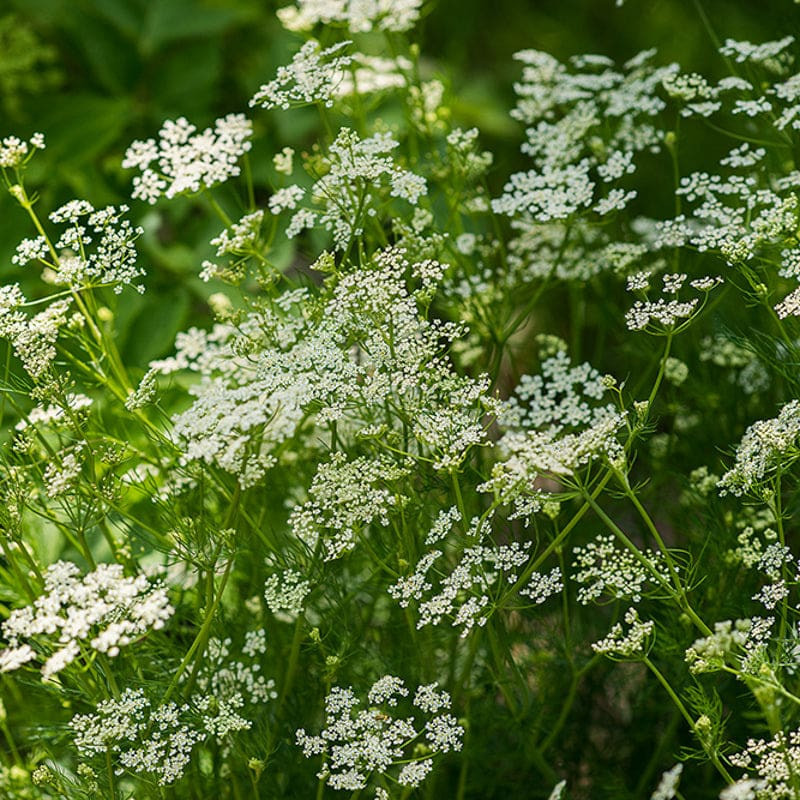
Caraway
Aromatic caraway — the distinctive seed flavor in rye bread, sauerkraut, cheese, and traditional European cuisine. A biennial herb that produces seeds in its second year. Growing tips: Caraway is a biennial — it grows foliage the first year and flowers/seeds the second. Plant in fall or early spring. The feathery foliage resembles carrots (they are related). In our climate, caraway overwinters well and produces abundant seeds the following summer. Harvest seed heads when they begin to brown and dry them in paper bags. Beyond bread, try caraway seeds in roasted cabbage, potato soup, and pork dishes. The taproot is also edible, similar to parsnip.
$4.00
Herbs
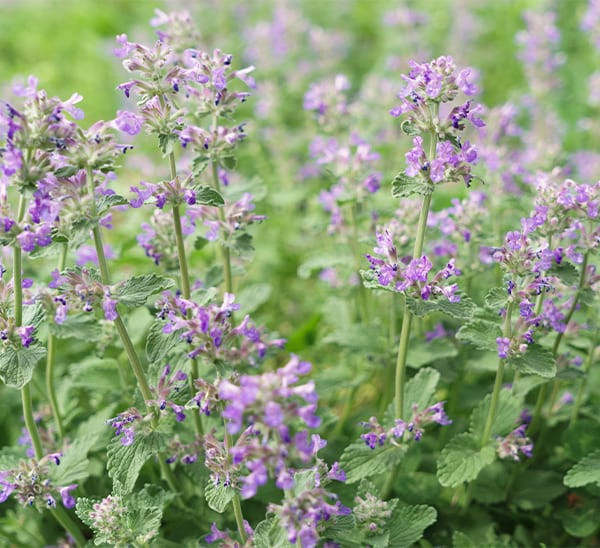
Catnip
Yes, your cats will love it — but catnip also makes a pleasant, mildly sedative herbal tea for humans. A member of the mint family with similar vigor and growing habits. Growing tips: Like its mint relatives, catnip is a vigorous grower that can spread aggressively. Contain it in a pot or dedicated area. If you have cats, be warned — they may roll in it, eat it, and destroy the plant with love. Plant extras. For tea, harvest stems before flowering, dry them, and steep in hot water. Catnip also repels mosquitoes, aphids, and flea beetles, making it a useful companion plant. The small white-purple flowers attract pollinators.
$6.00
Herbs
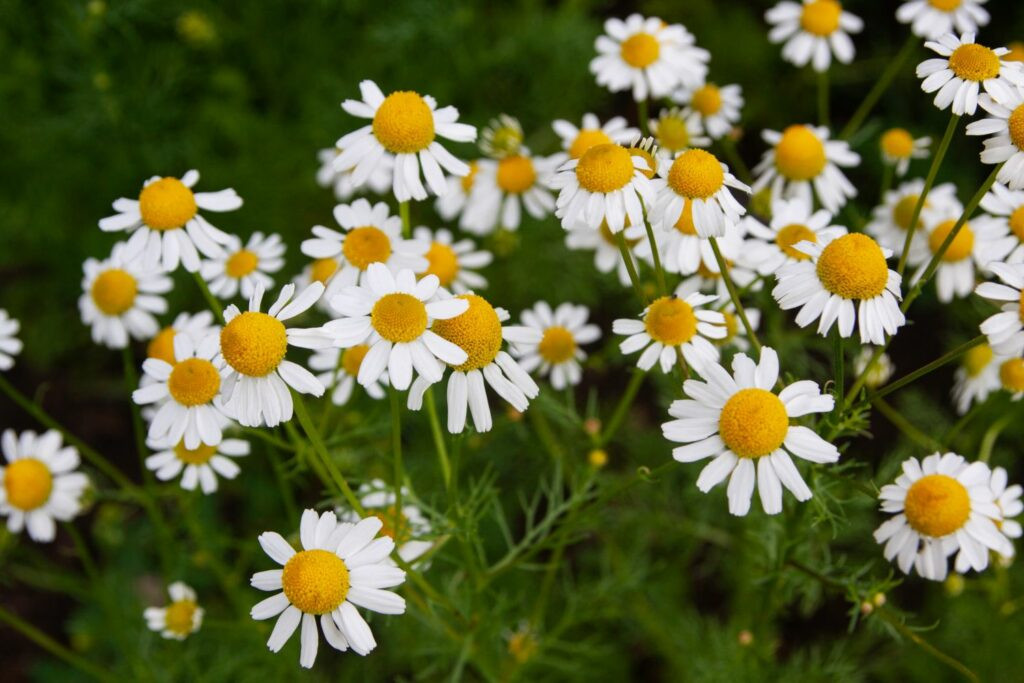
Chamomile
Gentle chamomile with delicate daisy-like flowers and a sweet apple fragrance. The classic herbal tea for relaxation, sleep, and digestive comfort. Beautiful and functional in any garden. Growing tips: Chamomile is easy to grow from seed and self-sows once established. German chamomile is an annual with more abundant flowers; Roman chamomile is a perennial ground cover. Both thrive in our Owens Valley climate. Harvest flowers when petals begin to fold back. Dry on screens in a warm, airy spot and store in airtight containers. One planting often provides chamomile for years via self-seeding. Makes a lovely, fragrant ground cover between stepping stones.
$4.00
Herbs
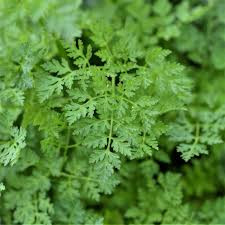
Chervil
Delicate French herb with lacy leaves and a subtle anise-parsley flavor. One of the classic fines herbes of French cuisine, alongside parsley, chives, and tarragon. Growing tips: Chervil prefers cool weather and partial shade — it bolts quickly in heat. In the Owens Valley, grow it as an early spring and fall crop, or in the shade of taller plants during summer. It is wonderful in omelets, cream sauces, salad dressings, and as a fresh garnish on soups. Use fresh — chervil loses its delicate flavor when dried or cooked too long. Add it at the very end of cooking or use raw for best results.
$4.00
Herbs
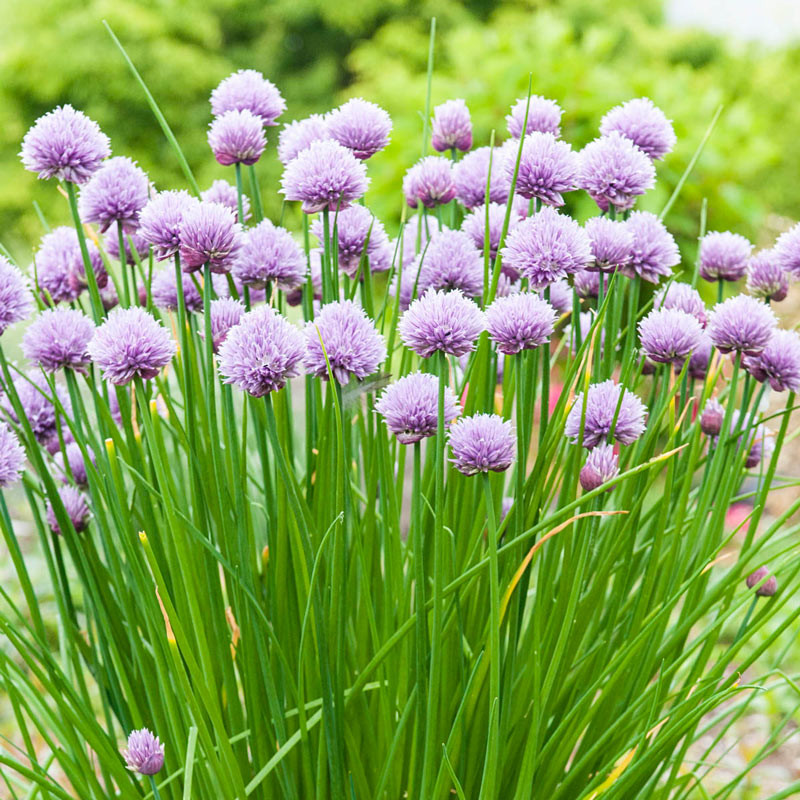
Chives
Mild onion-flavored chives with slender hollow leaves and beautiful purple pom-pom flowers in spring. One of the easiest and most rewarding perennial herbs for any garden. Growing tips: Plant once, harvest forever. Chives are an incredibly low-maintenance perennial that returns reliably year after year, expanding their clump over time. Snip leaves with scissors as needed — they regrow quickly. The purple flowers are edible and gorgeous in salads and as garnish. Chives attract pollinators and repel aphids, making them an excellent companion plant. Divide clumps every 3-4 years to share with friends and reinvigorate growth.
$4.00
Services
Consulting Services
Full garden consultation tailored to your specific site, goals, and experience level. We will visit your property, assess your growing conditions, and create a custom plan to help you grow a thriving garden. Our full consultation includes: - Site assessment — sun exposure mapping, soil evaluation, drainage analysis, and microclimate identification - Custom planting plan — what to plant, where to place it, and when to plant based on our Owens Valley growing calendar - Soil recommendations — amendments, composting strategies, and preparation techniques for our alkaline high-desert soil - Ongoing support — follow-up questions answered and seasonal guidance as your garden grows Perfect for new gardeners, new homeowners, or anyone looking to transform their outdoor space into a productive garden. We know Big Pine's unique growing conditions intimately and will help you work with — not against — our climate.
Contact for pricing
Brassicas
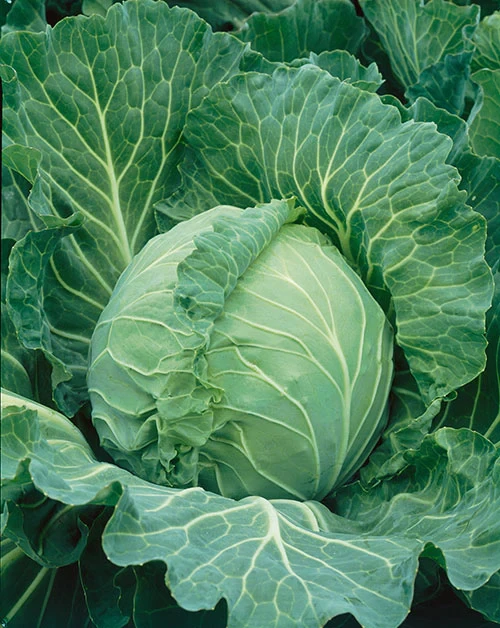
Copenhagen Market
Copenhagen Market cabbage — a classic early variety producing compact, round, dense heads with excellent sweet flavor. One of the best cabbage varieties for home gardens and fresh eating. Growing tips: Copenhagen Market matures in about 70 days — relatively fast for cabbage. The round, 3-4 pound heads are perfect for coleslaw, sauerkraut, stir-fries, and stuffed cabbage. Start transplants indoors and set out in early spring. In Big Pine, cabbage appreciates consistent moisture and does well in our cooler spring weather. Harvest when heads feel firm and solid when squeezed.
$4.00
Herbs
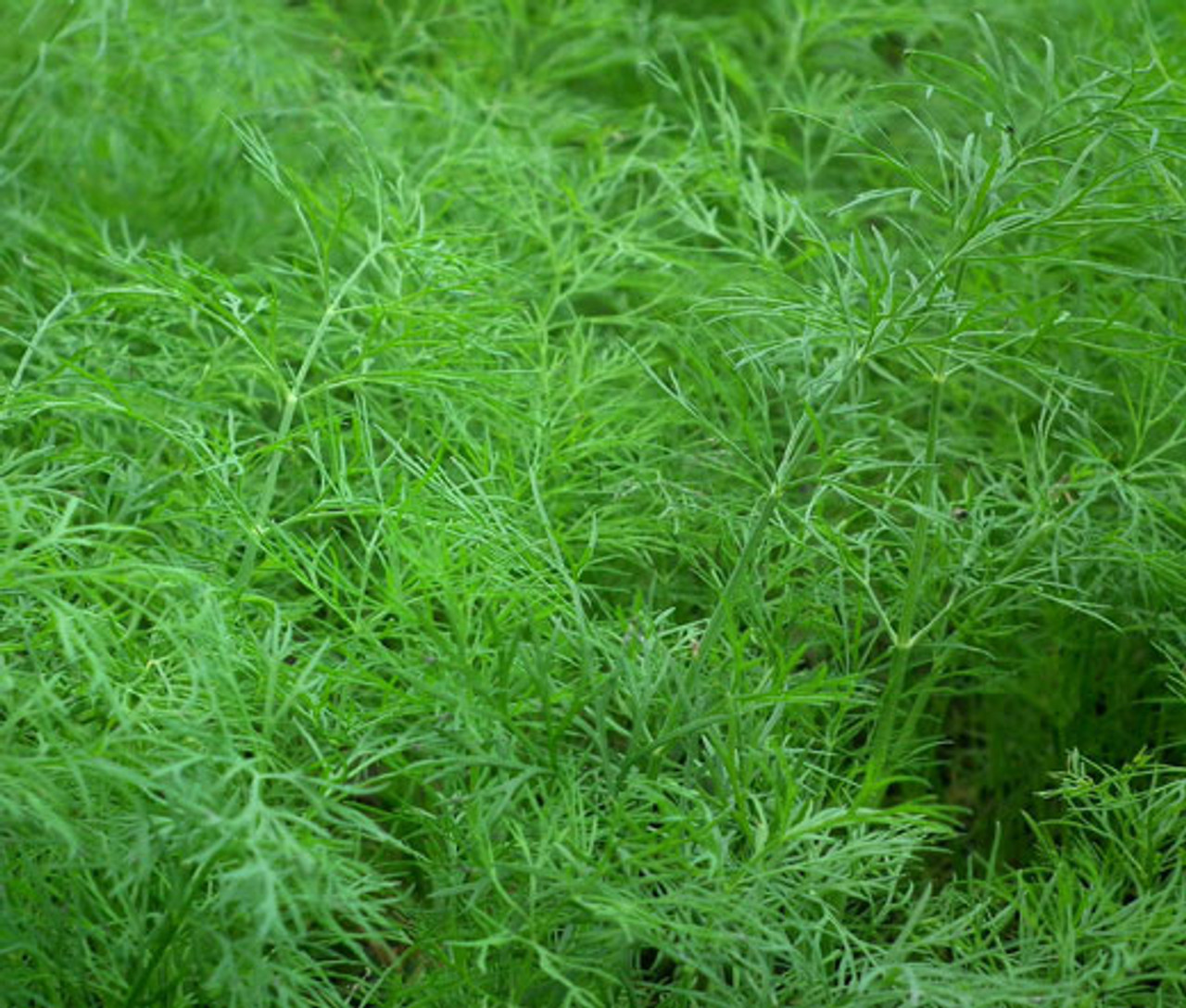
Dill
Feathery, aromatic dill that is essential for pickles, gravlax, potato salad, fish dishes, tzatziki, and so much more. Both the fronds (leaves) and seeds are culinary treasures. Growing tips: Direct sow dill where you want it — it does not transplant well due to its taproot. Succession plant every 3-4 weeks for continuous harvest, as dill goes to flower quickly. In our climate, let some plants go to seed — dill self-sows generously and you will have free dill forever. Dill fronds lose flavor when dried; freeze them in ice cube trays for better preservation. Dill flowers attract beneficial predatory wasps and swallowtail butterflies.
$4.00
Beans & Peas
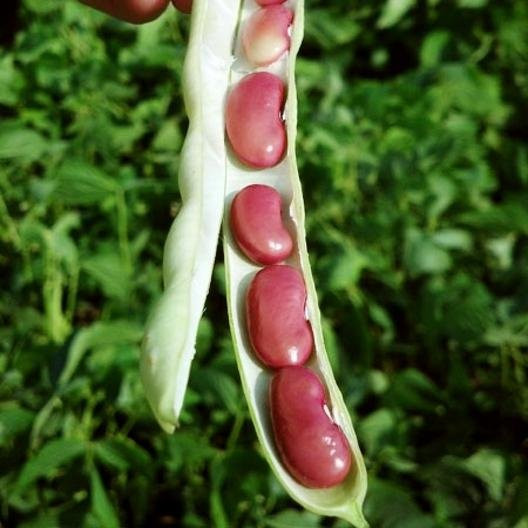
Dry Beans / Shell Beans
Grow your own dried beans for soups, stews, chili, and long-term pantry storage. Fresh-dried beans cook faster and taste dramatically better than store-bought — once you try them, there is no going back. Varieties may include: Pinto, Black, Navy, Kidney, Cranberry, and other dry bean selections. Growing tips: Let pods dry completely on the vine before harvesting. In our dry Owens Valley air, this happens naturally and easily — one of the advantages of our climate. Shell beans when pods are papery and rattling. Store in airtight containers for up to a year. A 10-foot row produces enough beans for many winter meals.
$4.00
Peppers
Drying Peppers
Peppers bred for drying into chile powders, crushed flakes, ristras, and spice blends. Thin walls and concentrated flavor make these varieties ideal for dehydrating — our dry Owens Valley air does half the work for you. Varieties include: Cayenne 🌶️🌶️🌶️ (hot — the classic drying pepper for flakes and powder), Thai Hot 🌶️🌶️🌶️ (hot — tiny fiery peppers that dry easily right on the plant), and Pasilla Bajio 🌶️ (mild — long, dark dried chile essential for mole and Mexican sauces). Growing tips: Drying peppers thrive in hot, dry conditions — the Owens Valley is ideal. Let peppers ripen fully on the plant for maximum flavor and color. Our low humidity means you can air-dry peppers on screens, string them into ristras, or simply leave them on the plant until papery. A dehydrator speeds things up but is not necessary here. Grind dried peppers in a spice grinder for homemade chile powder that puts store-bought to shame.
Contact for pricing
Brassicas
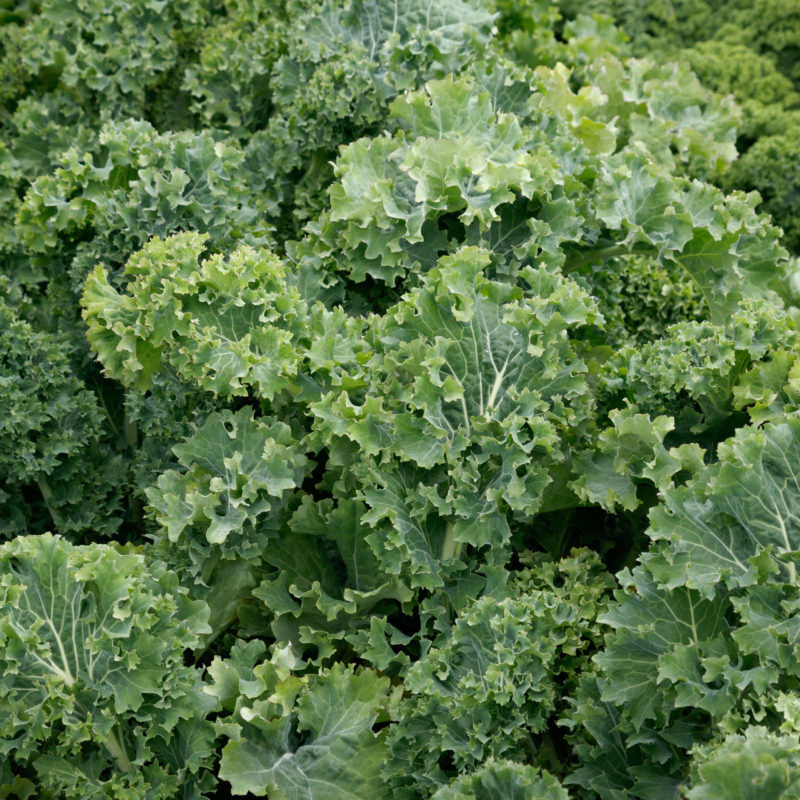
Dwarf Siberian Improved
Dwarf Siberian Improved kale — an incredibly hardy, blue-green kale with large, ruffled leaves and a mild, sweet flavor that is less bitter than many kale varieties. One of the most cold-tolerant plants you can grow. Growing tips: This kale laughs at our Owens Valley winters. Plant in spring for summer harvest, or plant in late summer and harvest well into winter — it survives temperatures down to 0°F and actually tastes better after frost. Tender baby leaves are excellent raw in salads; larger leaves are perfect for kale chips, smoothies, soups, and sautés. Cut-and-come-again harvesting keeps plants producing for months.
$4.00
Other Vegetables
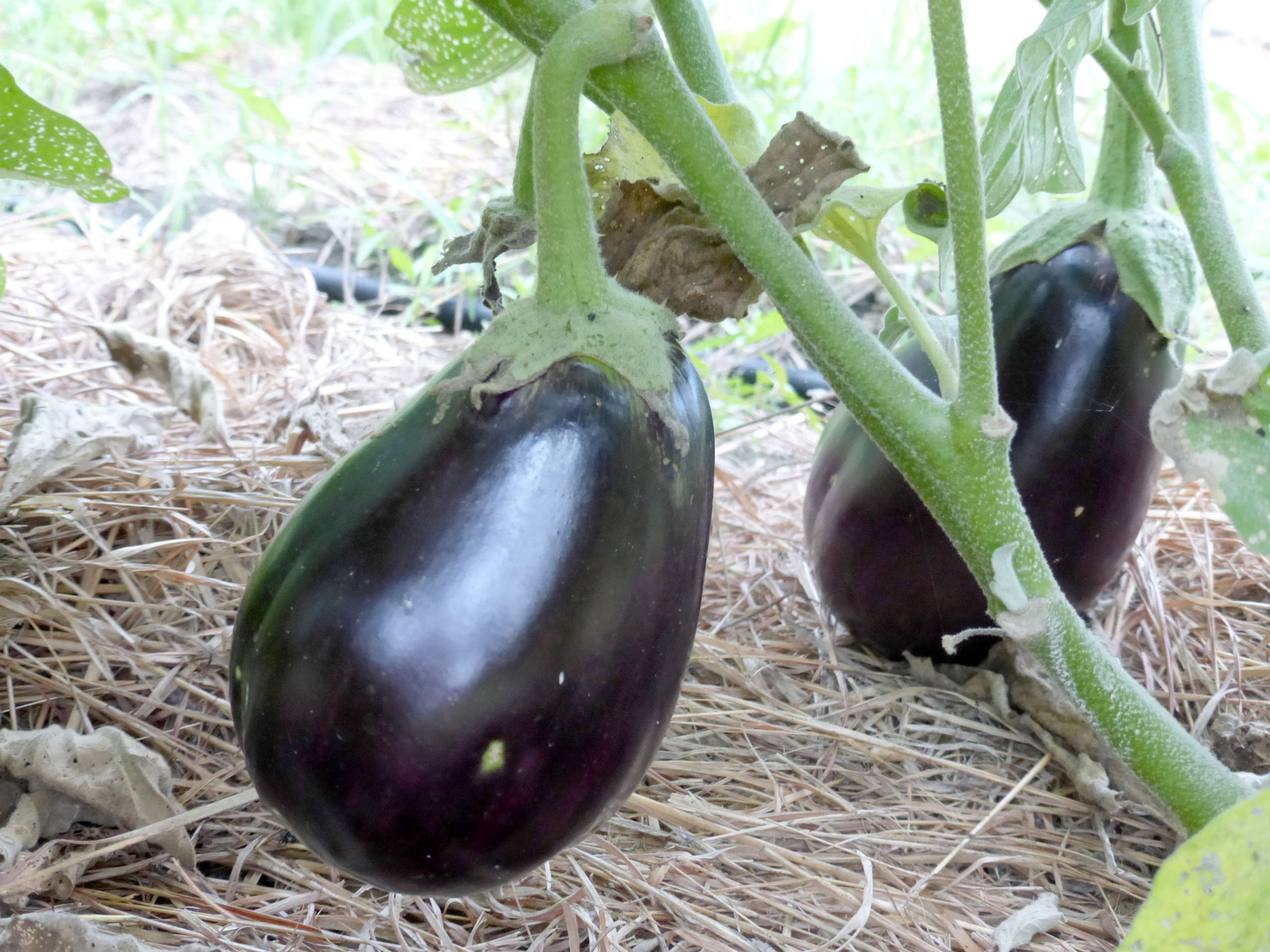
Eggplant
Beautiful, versatile eggplant with glossy purple skin and creamy flesh. A staple of Mediterranean, Middle Eastern, Asian, and Southern cooking — grilled, roasted, fried, or turned into baba ganoush. Varieties may include: Black Beauty, Ichiban, Rosa Bianca, and other eggplant selections. Growing tips: Eggplant needs heat, heat, and more heat — and Big Pine delivers. Plant after soil is thoroughly warm (late May/early June). They love our hot days and respond well to consistent watering and feeding. Harvest when skin is glossy and flesh gives slightly to pressure. Overripe eggplant becomes seedy and bitter — smaller is generally better. Flea beetles are the main pest; row cover early in the season helps.
$6.00
Herbs
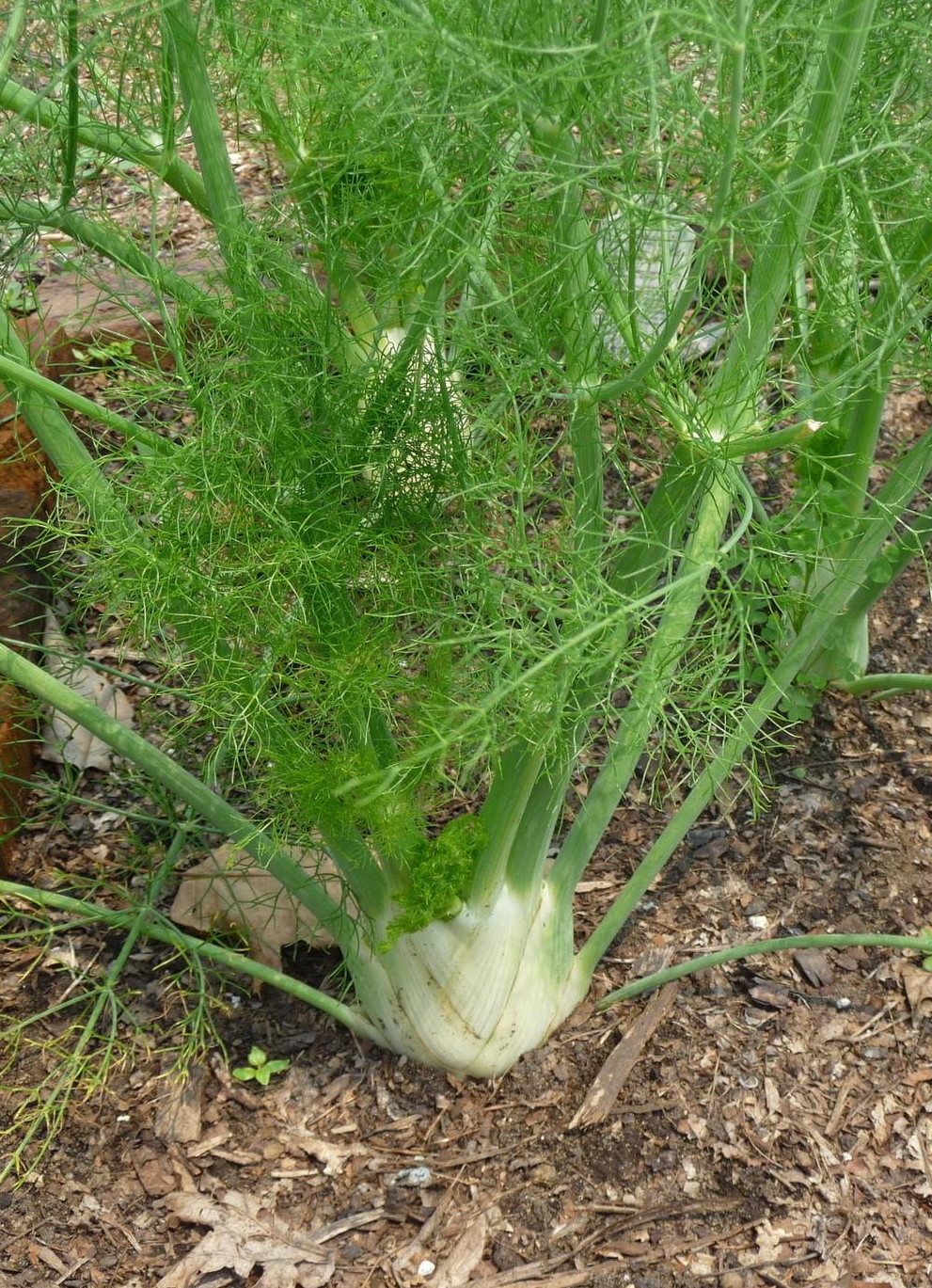
Fennel
Aromatic fennel with anise-flavored fronds, crisp stalks, and (depending on variety) a sweet, crunchy bulb. Every part of the plant is edible and delicious. Fennel also attracts swallowtail butterflies to your garden. Growing tips: There are two types — herb fennel (grown for fronds and seeds) and bulbing fennel (Florence fennel, grown for the bulb). Both thrive in our climate. Bulbing fennel is a cool-season crop; plant in late summer for fall harvest. The bulb is incredible raw in salads, roasted with Parmesan, or braised. Fennel seeds are wonderful in Italian sausage, bread, and tea. Leave some plants for the swallowtail caterpillars — they are beautiful and the plant can handle it.
$4.00
Peppers
Fresh & Salad Peppers
Crisp, colorful peppers perfect for eating raw — on veggie trays, in salads, as crunchy snacks, and as fresh garnishes. These varieties are selected for sweetness, crunch, and eye-catching color. Varieties include: Sweet Banana (sweet — long yellow pepper with mild, tangy crunch), Shishito 🌶️ (mild — Japanese appetizer pepper, blister in a hot pan with sea salt), Italian Pepperoncini 🌶️ (mild — tangy Italian pepper, crisp fresh or brined), NaDaPeno (sweet — heatless jalapeño with all the flavor and none of the fire), Black Hungarian 🌶️🌶️ (medium — striking dark-skinned pepper that ripens to red, beautiful and flavorful), and Caloro 🌶️ (mild — golden-yellow pepper with sweet, fruity flavor). Growing tips: Fresh-eating peppers are best harvested at peak ripeness for maximum sweetness and crunch. In our Owens Valley climate, these varieties thrive in full sun with consistent watering. Shishito and Italian Pepperoncini are prolific producers — a few plants keep the kitchen stocked all summer. Pick frequently to encourage continued production. Store unwashed in the fridge for up to two weeks.
Contact for pricing
Herbs
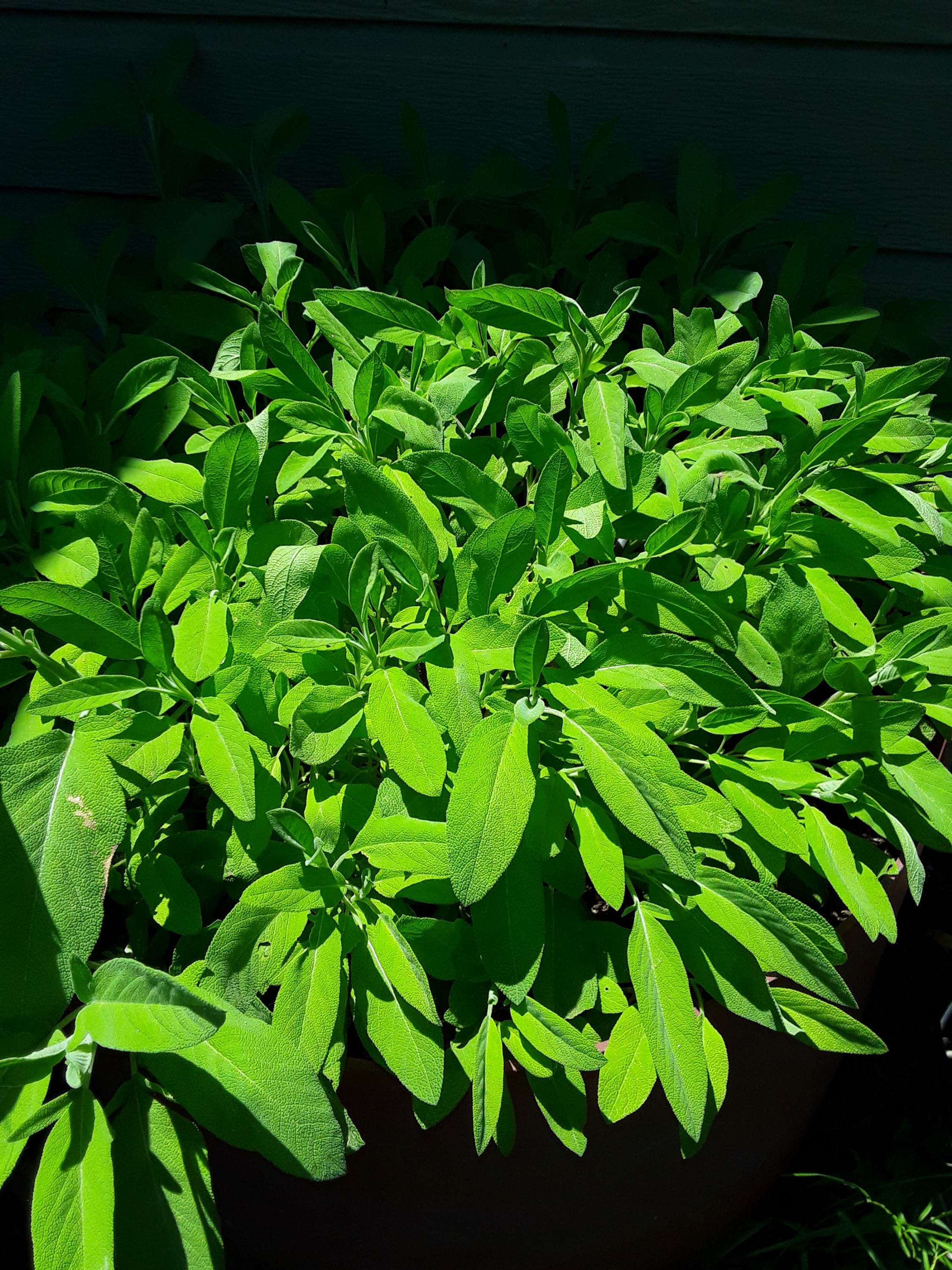
Garden Sage
Classic culinary sage with velvety, gray-green aromatic leaves. An essential herb for Thanksgiving stuffing, brown butter sauce, saltimbocca, sausage seasoning, and fall/winter cooking. Growing tips: Sage is a tough perennial that thrives in our dry, alkaline soil — conditions that many herbs love. Full sun and minimal water once established. Harvest regularly by snipping stems to encourage bushy growth. Sage is semi-evergreen in our climate and can often be harvested year-round with winter protection. The purple flowers in spring attract pollinators. Pair with butternut squash, pork, poultry, and white beans.
$6.00
Greens & Lettuce
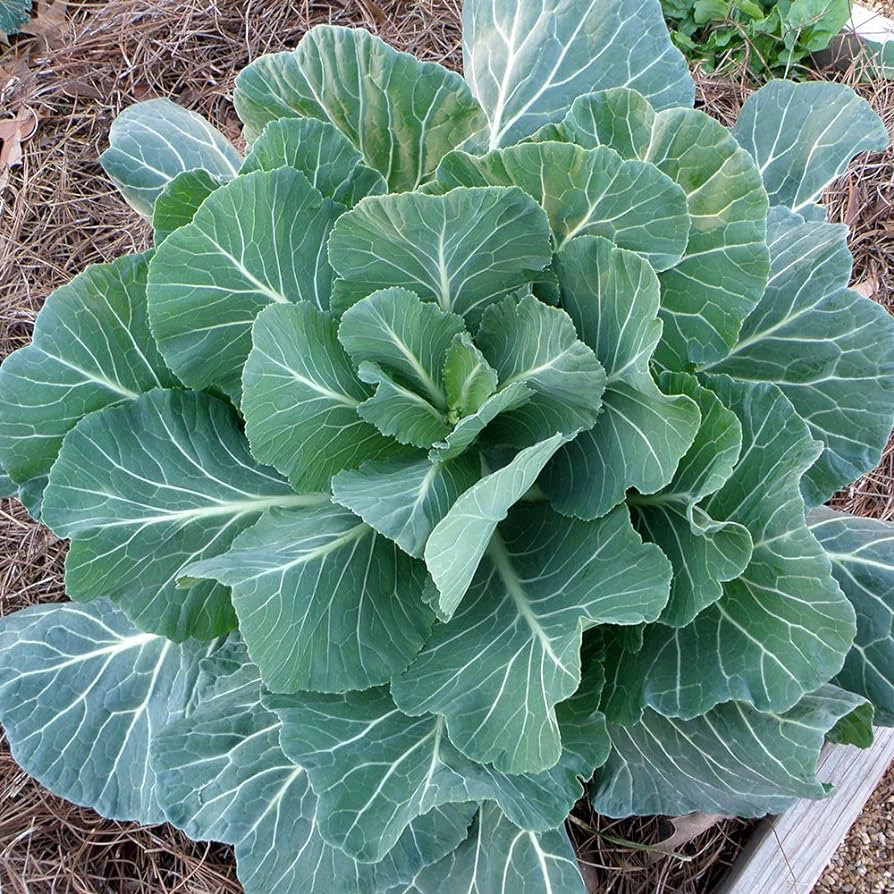
Georgia Southern
Georgia Southern collard greens — the classic Southern collard with large, smooth blue-green leaves. Hearty, nutritious, and surprisingly heat-tolerant for a brassica. Growing tips: Collards are one of the most nutritious greens you can grow — packed with vitamins A, C, and K plus calcium. Georgia Southern is a traditional variety that handles both heat and cold better than most greens. In our climate, plant in spring and harvest outer leaves all season long. Flavor actually improves after a light frost. Cook low and slow Southern-style, or use raw leaves as wraps for a healthy alternative to tortillas.
$4.00
Houseplants
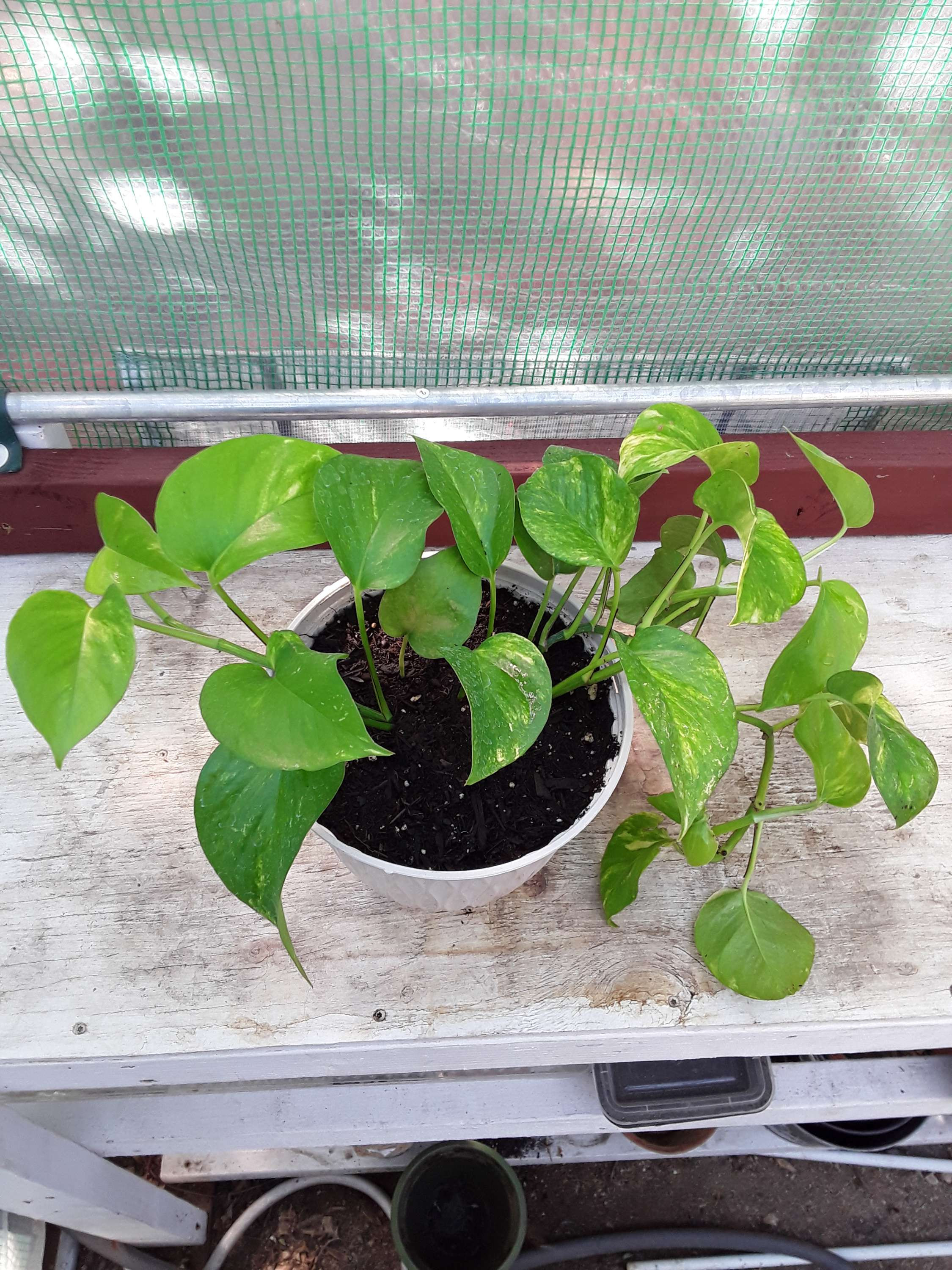
Golden Pothos
Trailing vine with heart-shaped, golden-green variegated leaves — one of the easiest and most forgiving houseplants in existence. Golden Pothos thrives in conditions that would kill most plants. Growing tips: Pothos tolerates low light, forgetful watering, and air-conditioned offices. The golden variegation is most pronounced in brighter light; in low light, leaves revert to solid green (still beautiful). Let soil dry between waterings — overwatering is the main way to kill a pothos. Trim vines to any length you like — cuttings root easily in water, making pothos the ultimate plant for sharing. Excellent trailing from shelves, mantels, and hanging planters.
$8.00
Root & Bulb
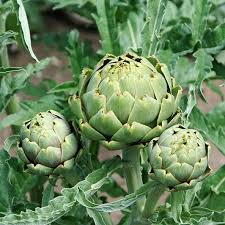
Green Globe Artichoke
Perennial artichokes that produce tender, flavorful globes on stunning architectural plants. Once established, artichoke plants return year after year and make a dramatic statement in any garden. Growing tips: Artichokes are perennial in mild climates but may need winter protection in the Owens Valley. Plant in spring in a sheltered spot with full sun. Heavy mulching in winter helps crowns survive. Harvest when buds are tight and compact — squeeze the head and listen for a squeak. Cut about 3 inches below the bud. Even if you never harvest, the silvery foliage and dramatic form make artichokes a beautiful landscape plant.
$4.00
Root & Bulb
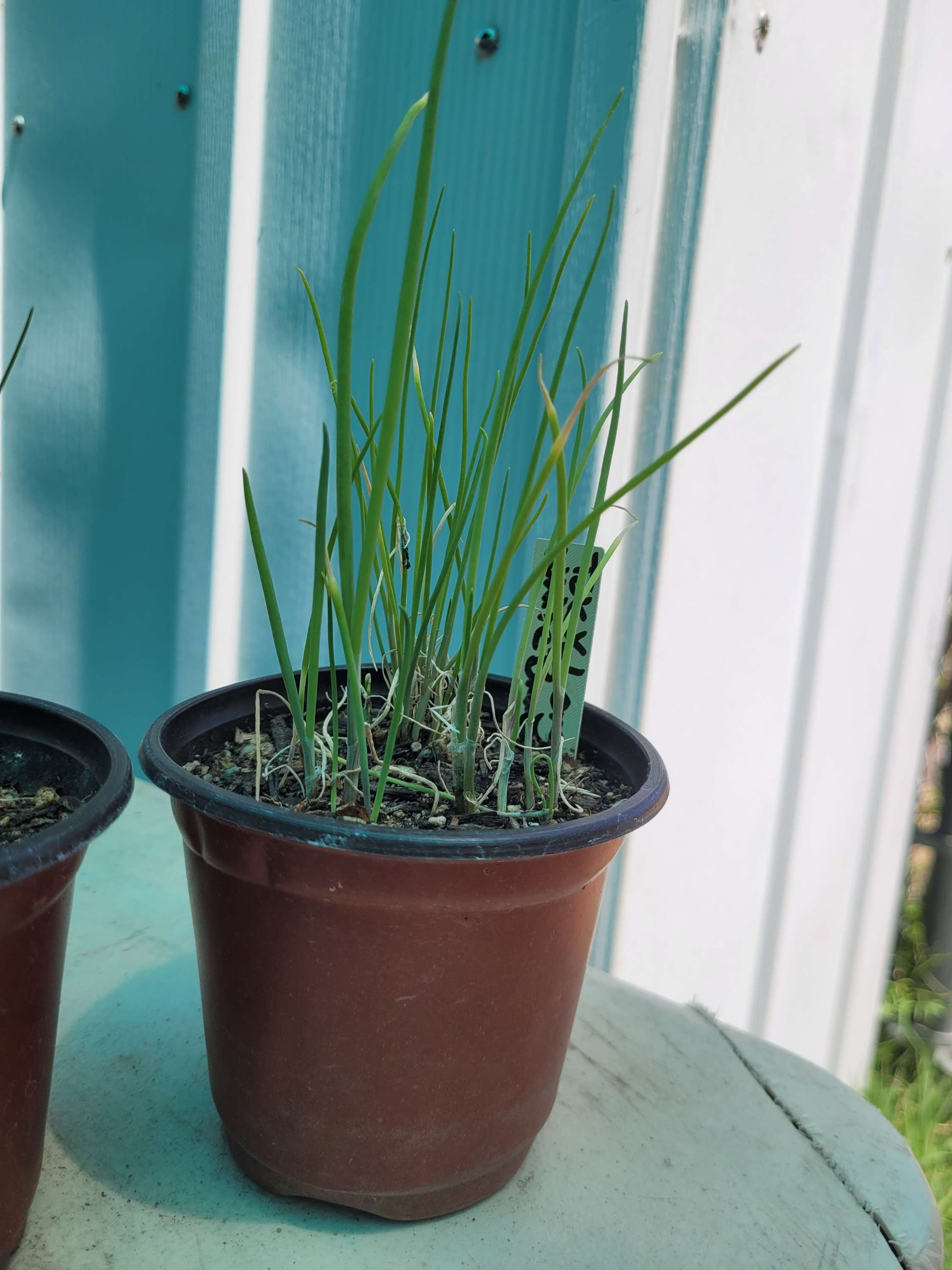
Green Onions / Bunching
Fresh bunching onions (scallions) that you can start harvesting in as little as 60 days. Pull whole or snip just the green tops — they keep growing back for repeated harvests. Growing tips: One of the easiest alliums to grow. Direct sow in early spring and succession plant every few weeks for continuous supply. Bunching onions are perennial — if you leave them in the ground, they multiply and come back. In our climate, they grow almost year-round. Use the white and light green parts for cooking; dark green tops are excellent as a fresh garnish. Essential in Asian cooking, soups, and omelets.
$4.00
Brassicas
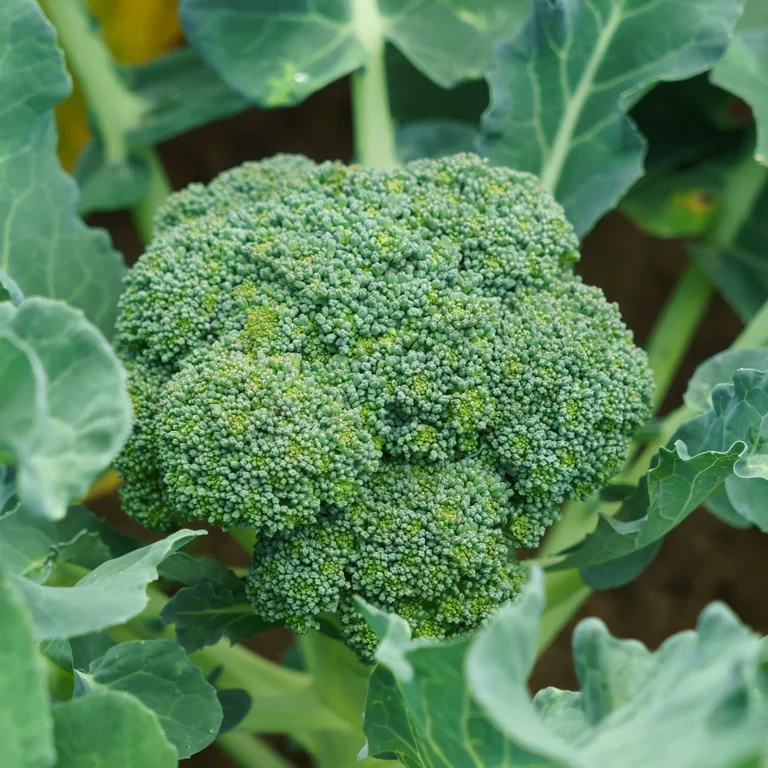
Green Sprouting
Green Sprouting broccoli — produces a nice main head followed by abundant side shoots that keep producing for weeks. One of the most rewarding brassicas to grow at home. Growing tips: After you cut the main head, don't pull the plant! Side shoots will continue producing smaller florets for weeks. In the Owens Valley, start transplants indoors and set out in early spring for a summer harvest, or plant in midsummer for a fall crop. Broccoli prefers cooler weather — our mountain mornings and evenings suit it well. Harvest in the morning when florets are tight and before flowers open.
$4.00
Greens & Lettuce
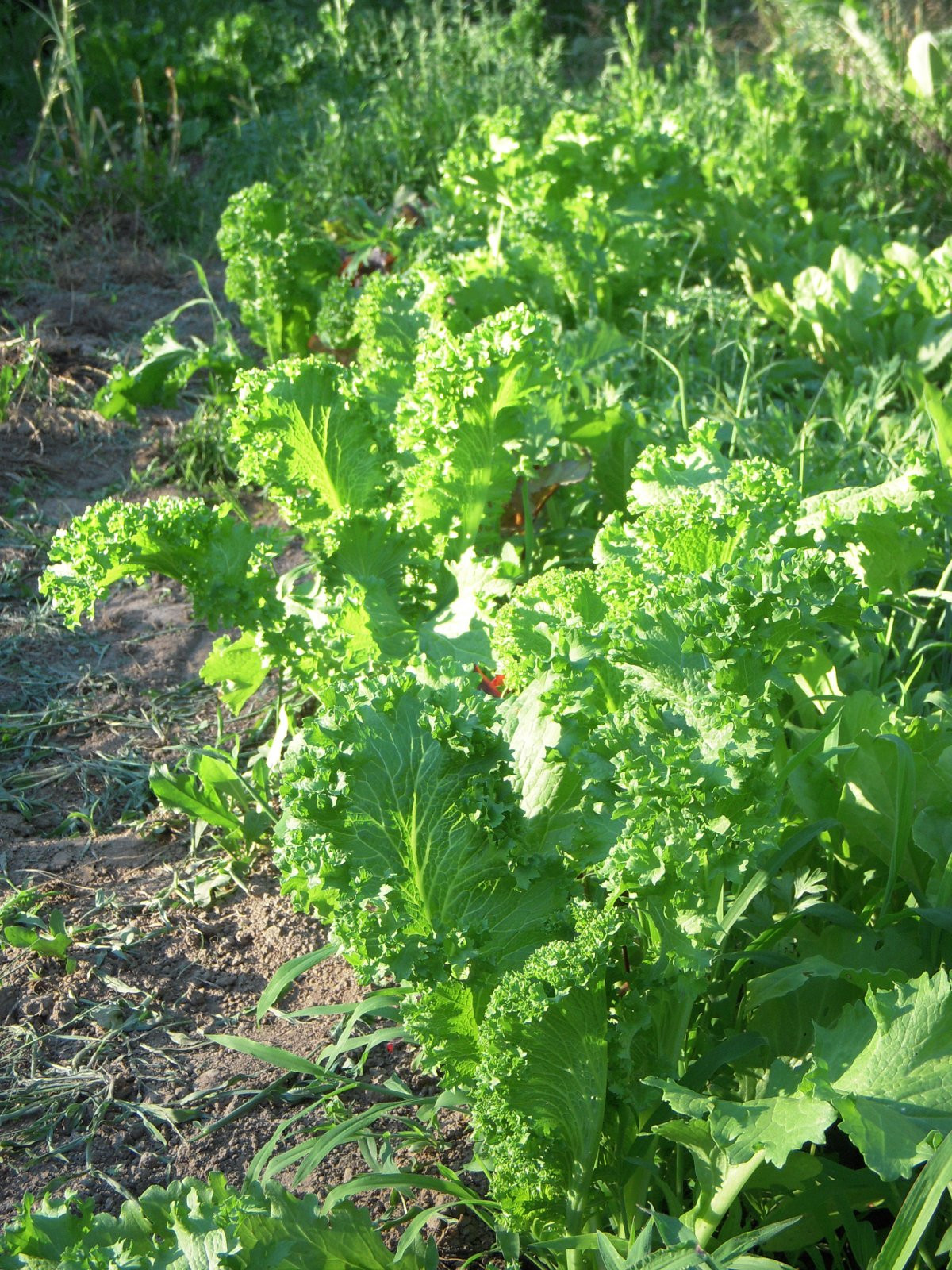
Green Wave
Green Wave mustard greens — vigorous, frilly-leaved plants with a mild, pleasant mustard bite that adds flavor and nutrition to salads, stir-fries, and braised dishes. Growing tips: Green Wave is one of the most productive mustard greens, with large, deeply frilled leaves that are beautiful and delicious. A cool-season crop that handles light frost well. In Big Pine, plant in early spring and again in late summer. Baby leaves are mild enough for raw salads; mature leaves develop stronger flavor and are excellent sautéed with garlic or added to soups. Very fast growing — harvest in 30-45 days.
$4.00
Houseplants
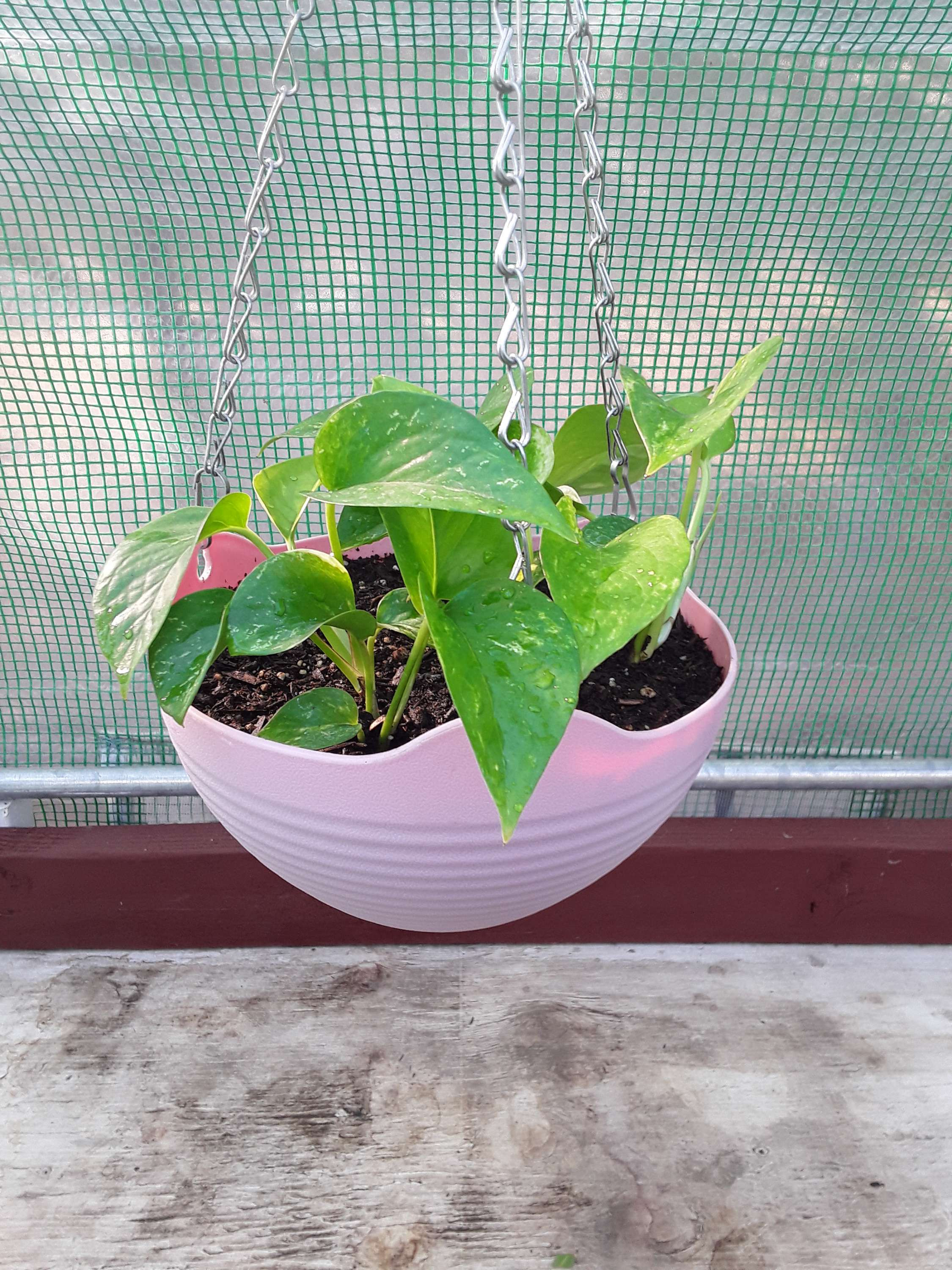
Hanging Golden Pothos
Golden pothos in a hanging basket — lush, trailing vines that cascade beautifully from any height. Creates an instant jungle vibe and softens any room with living green curtains. Growing tips: Same easy care as all pothos. In a hanging basket, the vines can grow 6+ feet long — trim to your desired length or let them trail dramatically. Rotate the basket occasionally for even growth. The hanging position makes watering trickier — bring the basket to the sink or use ice cubes on the soil surface for slow, even watering without dripping. Pothos is toxic if ingested, so keep trailing vines out of reach of curious pets and children.
$8.00
Houseplants
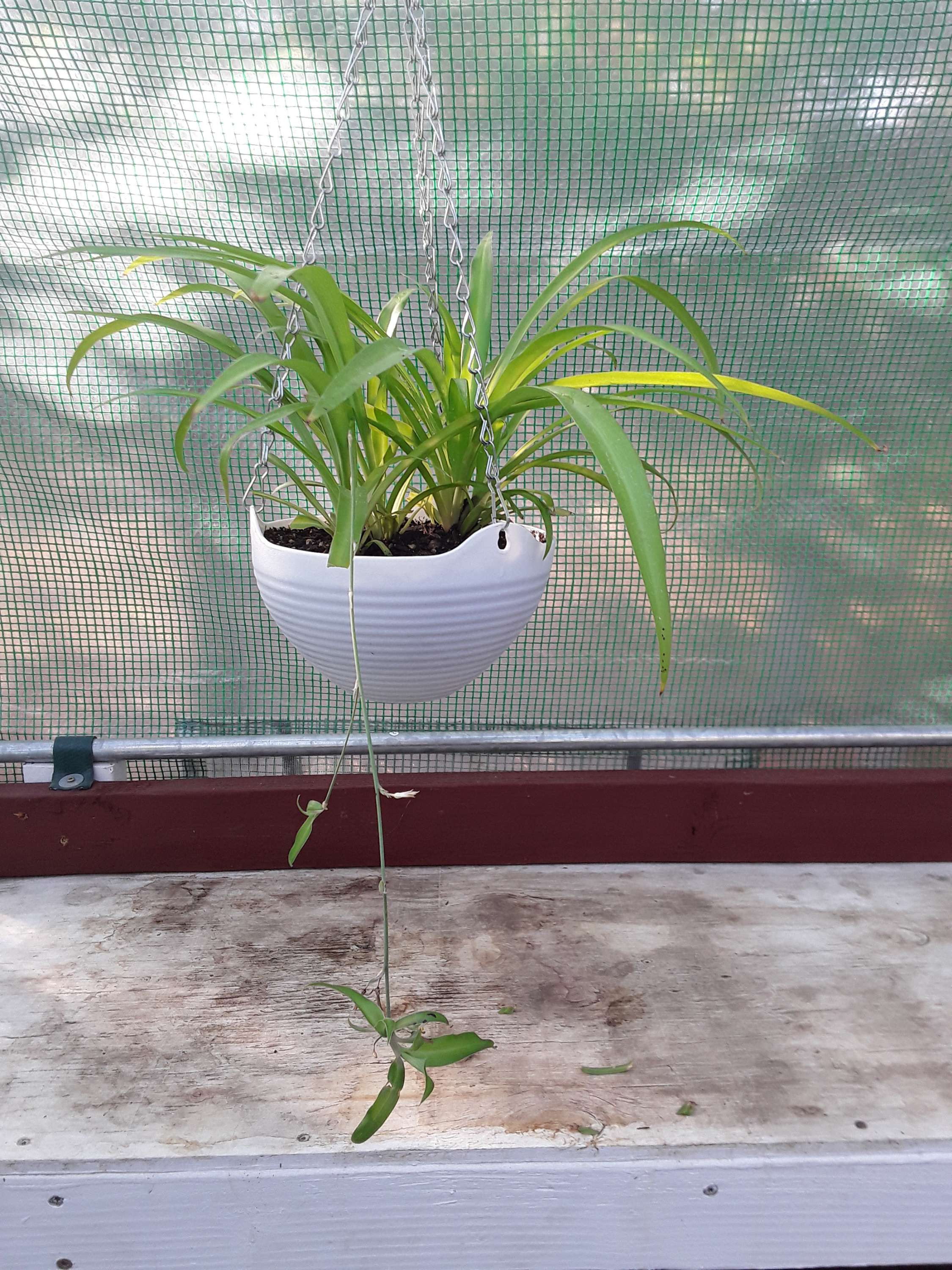
Hanging Spider Plant
Spider plant in a hanging basket — the ideal way to display this classic houseplant. Cascading green and white striped foliage with dangling baby plantlets creates a living mobile of greenery. Growing tips: Hanging baskets dry out faster than pots, so check soil moisture regularly. Spider plants prefer to be slightly root-bound, so do not rush to repot. Bright indirect light is ideal — avoid harsh direct afternoon sun, which can scorch the leaves. Feed monthly during the growing season with a balanced liquid fertilizer. Brown tips usually mean the water has too much fluoride or chlorine — let tap water sit overnight before watering.
$12.00
Beans & Peas
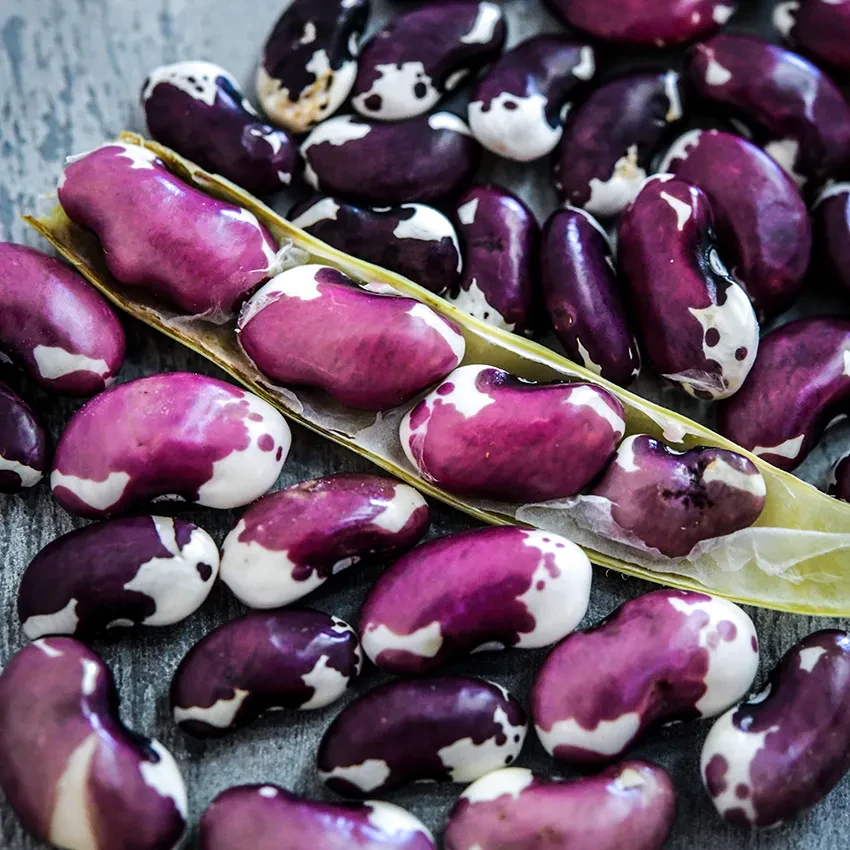
Heirloom Bean
Heritage bean varieties with unique colors, patterns, and flavors passed down through generations. These beans are living history — beautiful, delicious, and full of character that modern varieties lack. Varieties may include: Jacob's Cattle, Calypso, Dragon Tongue, Christmas Lima, and other heirloom selections. Growing tips: Heirloom beans often have specific personality — some climb, some bush, some like it hot, some prefer cooler weather. We select varieties proven in our climate. Many heirloom beans are dual-purpose: harvest young as snap beans or let them mature and dry on the vine for winter storage. Beautiful enough to display in jars on your counter.
$4.00
Tomatoes
Heirloom Tomatoes
Classic heirloom varieties, open-pollinated and full of flavor. These time-tested tomatoes bring old-fashioned taste to your garden with rich, complex flavors that modern hybrids can’t match. Varieties include: Cherokee Purple (deep dusky purple, smoky-sweet complex flavor), Valencia (bright orange, sweet with low acidity), Three Sisters (large ribbed fruits, complex rich flavor), Black Krim (dark mahogany, intensely savory and smoky), Rose (rosy-red with classic sweet heirloom flavor), and Rebekah Allen (rare heirloom, beautiful fruits with exceptional taste). Growing tips: Heirloom tomatoes thrive in full sun with consistent deep watering. Most are indeterminate and need strong support. In the Owens Valley, start seeds indoors early and transplant after last frost. These open-pollinated varieties let you save seeds year to year.
Contact for pricing
Peppers
Hot Sauce Peppers
The hottest peppers we grow — for dedicated chiliheads, hot sauce artisans, and anyone who believes food should fight back. These varieties bring extreme heat along with complex fruity, smoky, and floral flavors that make incredible fermented hot sauces. Varieties include: Habanero 🌶️🌶️🌶️🌶️ (very hot — fruity, citrusy heat and the hot sauce workhorse), Tabasco 🌶️🌶️🌶️ (hot — the legendary pepper behind the famous sauce, juicy and fiery), and Red Habanero 🌶️🌶️🌶️🌶️ (very hot — deep red habanero with intense fruity heat). Growing tips: Super hots need our longest, hottest season to develop full heat and flavor. Start seeds very early indoors — January or February — as they are notoriously slow to germinate. In Big Pine, they thrive in our hot summer days but need consistent watering. Always wear gloves when harvesting and processing. A single plant can produce dozens of peppers, and a little goes a very long way. Fermented hot sauce is easy: blend peppers with salt, let ferment 1-2 weeks, blend with vinegar.
Contact for pricing
Root & Bulb
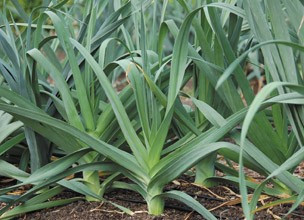
Leeks
Mild, sweet, elegant alliums that are essential for French cooking — soups, quiches, gratins, and braised dishes. Leeks have a gentler, more refined flavor than onions and add silky texture when cooked. Growing tips: Leeks need a long season — start seeds indoors in late winter and transplant in spring. As they grow, hill soil around the stems to blanch them white and extend the tender portion. Leeks are extremely cold-hardy and can be harvested well into winter in our climate. A few plants go a long way. Vichyssoise, potato-leek soup, and leek-and-gruyere quiche are all excellent ways to enjoy your harvest.
$4.00
Greens & Lettuce
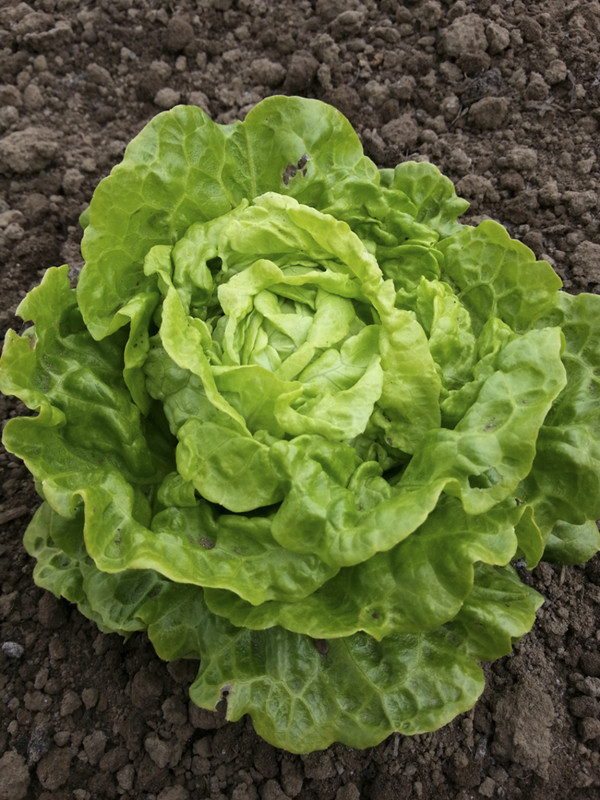
Lettuce
Crisp head and loose-leaf lettuce varieties for fresh salads from spring through fall. We grow a mix of colors and textures — green, red, speckled — so your salad bowl is never boring. Varieties may include: Buttercrunch, Black Seeded Simpson, Red Romaine, Salad Bowl, Oak Leaf, and other proven lettuce varieties. Growing tips: Lettuce is a cool-season crop that bolts (goes to seed) in hot weather. In the Owens Valley, plant in early spring and again in late summer for a fall crop. Summer lettuce needs afternoon shade and consistent moisture. Harvest outer leaves for a continuous supply or cut the whole head when mature. Lettuce grows beautifully in containers, raised beds, and even window boxes.
$4.00
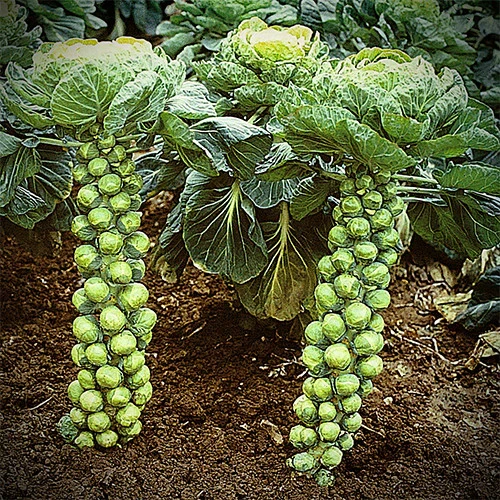
Brassicas
Long Island Improved Brussels Sprouts
Long Island Improved Brussels Sprouts — compact plants loaded with firm, marble-to-golf-ball-sized sprouts running up the stalk. Flavor improves dramatically after frost, turning starches into sugars. Growing tips: Brussels sprouts need a long, cool growing season. In the Owens Valley, start transplants indoors in spring and plant out after last frost. They grow through summer and are harvested in fall after the first frosts sweeten them. Pick from the bottom up as sprouts reach 1-2 inches. Snap off lower leaves as you harvest to direct energy upward. Roasted with olive oil and a touch of balsamic — unforgettable.
$4.00
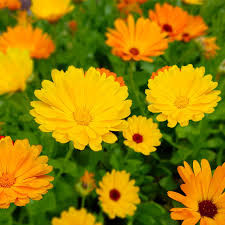
Flowers
Marigold
Bright, cheerful marigolds that earn their place in every garden as both beauty and bodyguard. They repel many common pests, attract pollinators, and bloom nonstop from planting to frost. Growing tips: Marigolds are one of the most foolproof annual flowers. Direct sow or transplant after last frost. Deadhead spent blooms to keep them flowering. French marigolds (smaller) are best for pest deterrence near vegetables; African marigolds (taller) make a bigger visual impact. In our climate, marigolds thrive on neglect — they prefer less water and lean soil. Plant them around tomatoes, peppers, and squash as companion plants.
$4.00
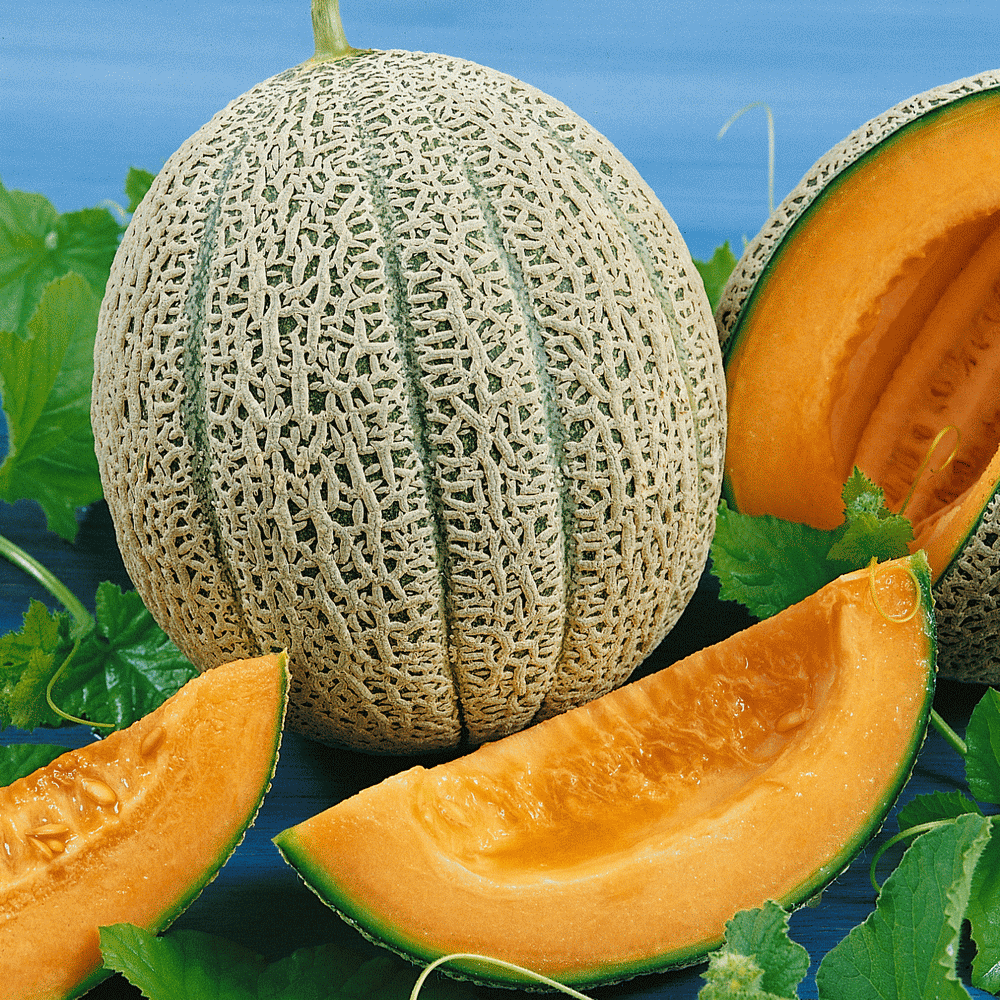
Squash & Melons
Melons
Sweet cantaloupe, honeydew, and specialty melon varieties that thrive in the Owens Valley's hot summers. There is nothing like a sun-warmed melon picked straight from the garden. Varieties may include: Hale's Best Cantaloupe, Honeydew, Charentais, and other melon selections suited to our climate. Growing tips: Melons love heat — and Big Pine delivers. Plant in the warmest spot in your garden after all danger of frost. Black plastic mulch warms the soil and helps melons thrive at our elevation. Cantaloupes are ripe when they slip easily from the vine with gentle pressure. Honeydews are trickier — look for a color change from green to creamy white and a slight give at the blossom end.
$4.00
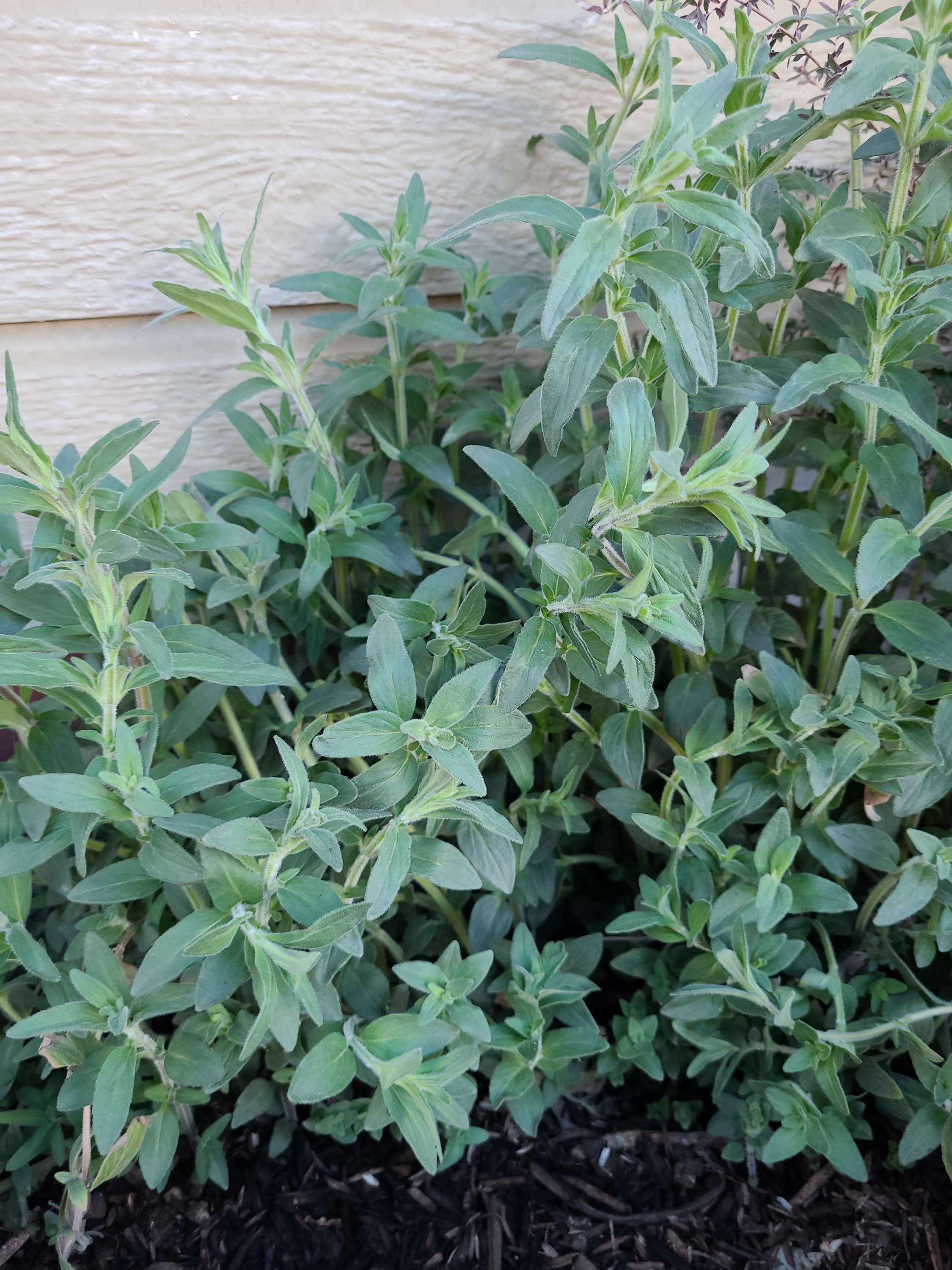
Herbs
Mint
Refreshing, vigorous mint for mojitos, juleps, teas, tabbouleh, Vietnamese cooking, desserts, and just about everything else. One of the most useful and easiest herbs to grow — almost too easy. Varieties may include: Spearmint, Peppermint, Chocolate Mint, and other mint types. Growing tips: WARNING: Mint is an aggressive spreader. Grow it in containers or a dedicated bed where it cannot escape — we are not kidding about this. That said, it is nearly indestructible and provides unlimited harvests. Full sun to part shade, regular water. Harvest frequently by cutting stems — this keeps plants bushy and prevents flowering. Mint tea is as simple as steeping fresh leaves in hot water. Freeze extra leaves in ice cube trays for winter cocktails.
$6.00
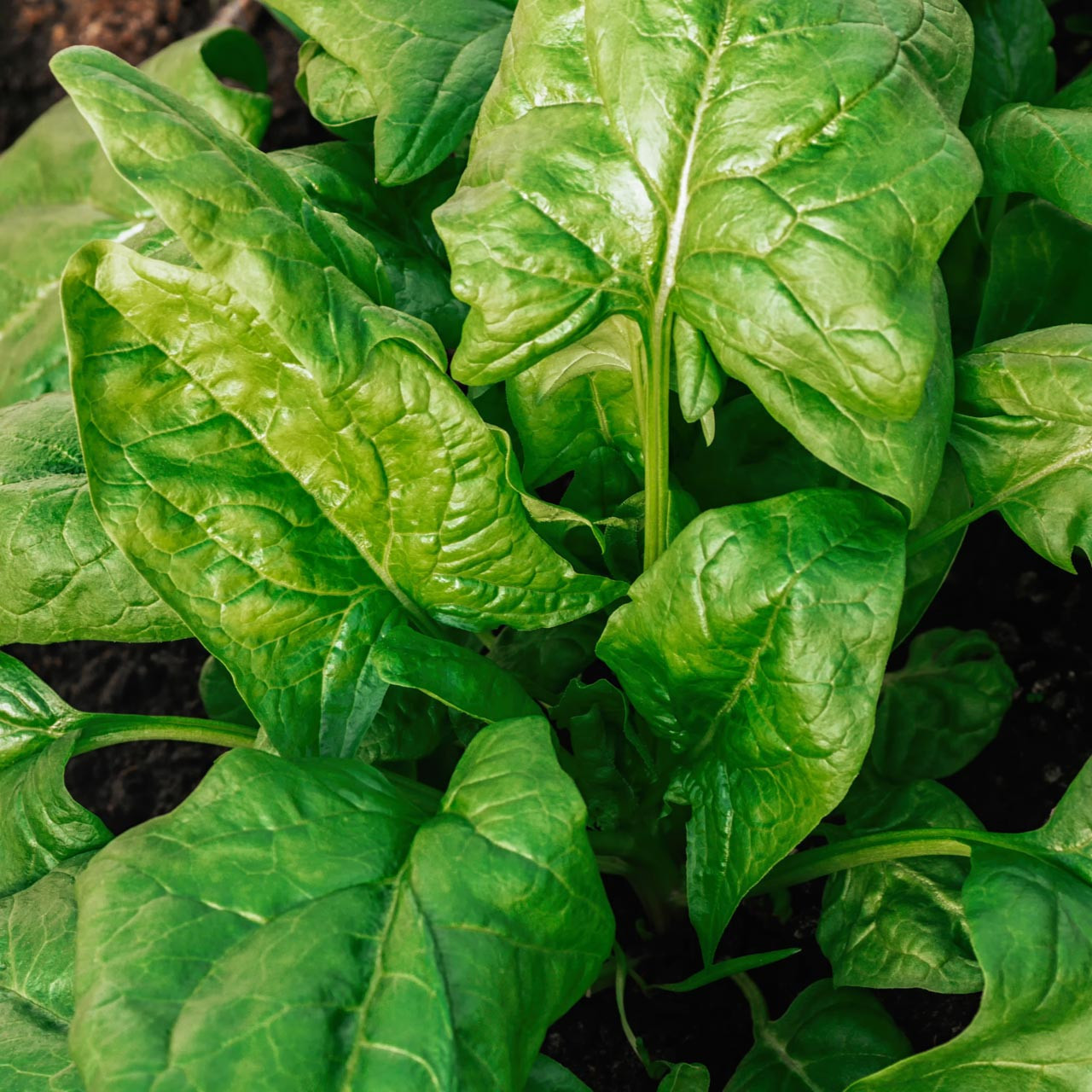
Flowers
Nobel Giant
Nobel Giant zinnia — massive, dahlia-like blooms up to 5 inches across in rich, saturated colors. These are the showpiece zinnias for anyone who wants dramatic, jaw-dropping cut flowers. Growing tips: Same easy care as all zinnias — direct sow in warm soil, full sun, good air circulation. Nobel Giants grow 3-4 feet tall and may need staking in windy locations. The huge, fully double blooms last exceptionally long as cut flowers — up to two weeks in a vase. Cut in the morning when flowers are just fully open. These are the zinnias you bring to a dinner party and everyone asks about.
$4.00
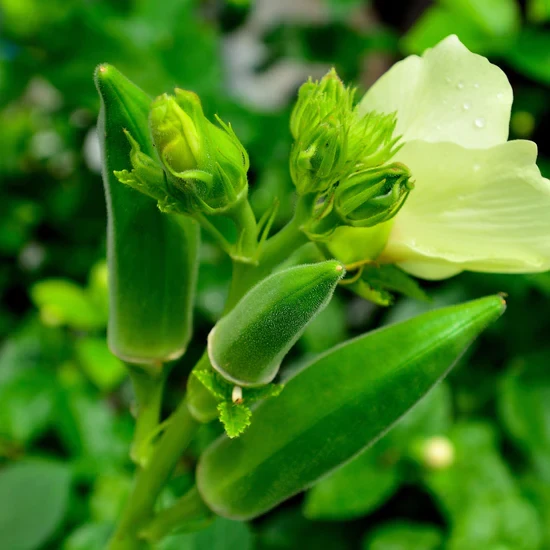
Other Vegetables
Okra
Heat-loving okra thrives in the intense Owens Valley sun. This Southern staple is incredible fried in cornmeal, grilled whole, roasted until crispy, or simmered in gumbo and curry. Varieties may include: Clemson Spineless, Emerald, Burgundy, and other okra selections. Growing tips: Okra is one of the most heat-tolerant vegetables and absolutely loves our Big Pine summers. Direct sow after soil reaches 65°F or start indoors. Soak seeds overnight before planting to speed germination. Harvest pods at 3-4 inches — they get tough fast. Check and pick every other day during peak production. Wear long sleeves when harvesting — okra plants have tiny spines that can irritate skin. The flowers are gorgeous and edible.
$6.00
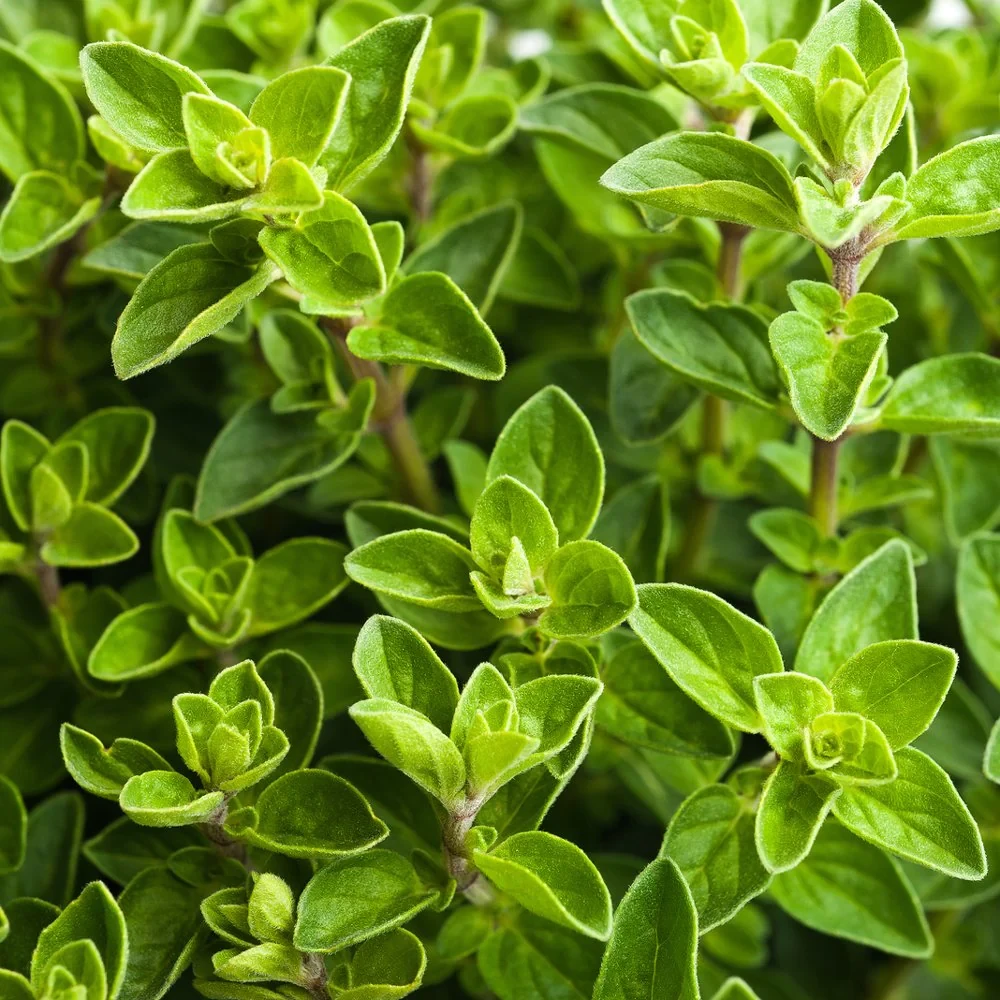
Herbs
Oregano
Mediterranean oregano with robust, warm flavor essential for Italian, Greek, and Mexican cooking. Pizza, pasta sauce, Greek salads, and grilled meats are all better with fresh oregano. Growing tips: Greek oregano is the variety with the best culinary flavor — make sure you have the real thing (taste a leaf; it should be warm and aromatic, not bland). A tough perennial that thrives in our dry, well-drained Owens Valley soil. Full sun, low water once established. Harvest just before flowering for peak flavor. Oregano dries beautifully — hang bundles in a warm spot and crumble dried leaves into jars for winter cooking.
$6.00
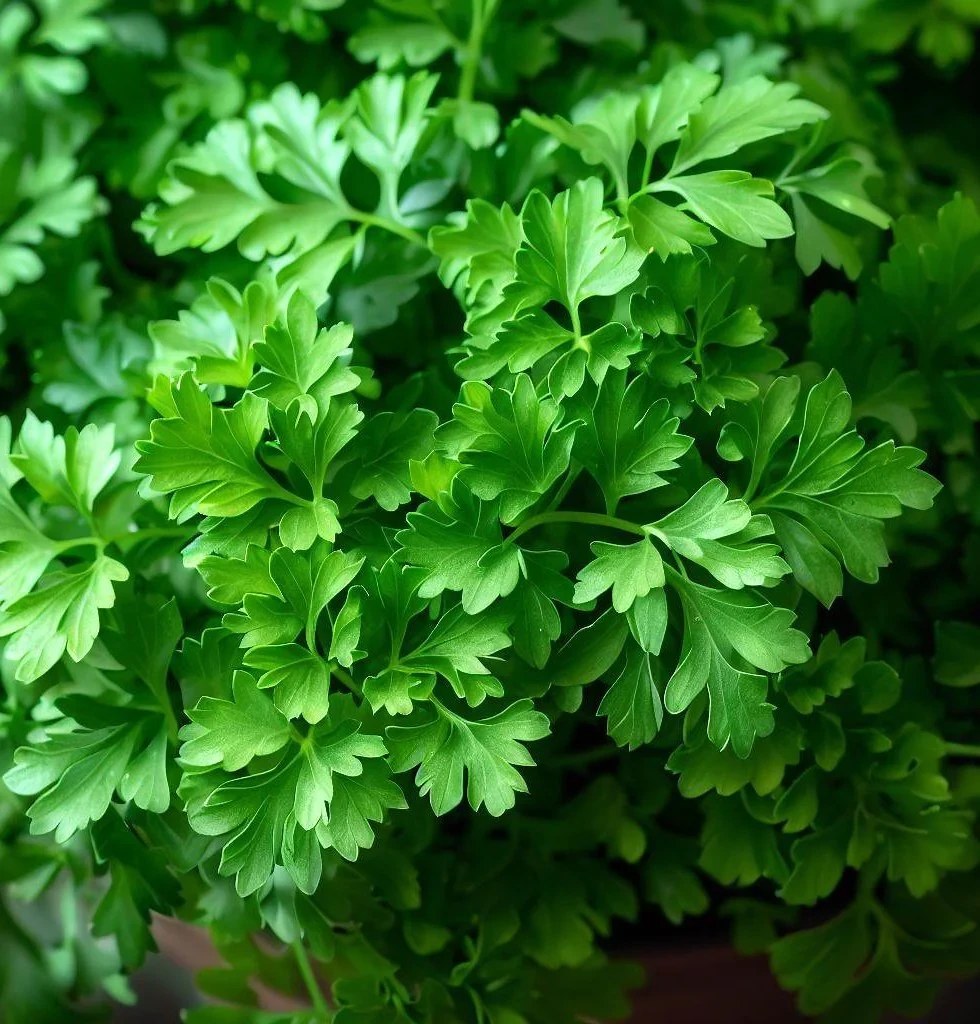
Herbs
Parsley
Flat-leaf and curly parsley varieties — far more than a garnish. Parsley is a nutritional powerhouse (vitamins A, C, K, iron) and a versatile herb that brightens nearly every savory dish. Growing tips: Parsley is slow to germinate (2-3 weeks) — be patient. Soak seeds overnight to speed things up. Once established, it is hardy and productive. In our Owens Valley climate, parsley often overwinters with mulch protection, producing a second year of growth before going to seed. Flat-leaf (Italian) parsley has stronger flavor; curly parsley has a milder taste and beautiful texture. Use generously — tabbouleh, chimichurri, green sauce, and salsa verde all celebrate parsley as a main ingredient, not a garnish.
$4.00
Tomatoes
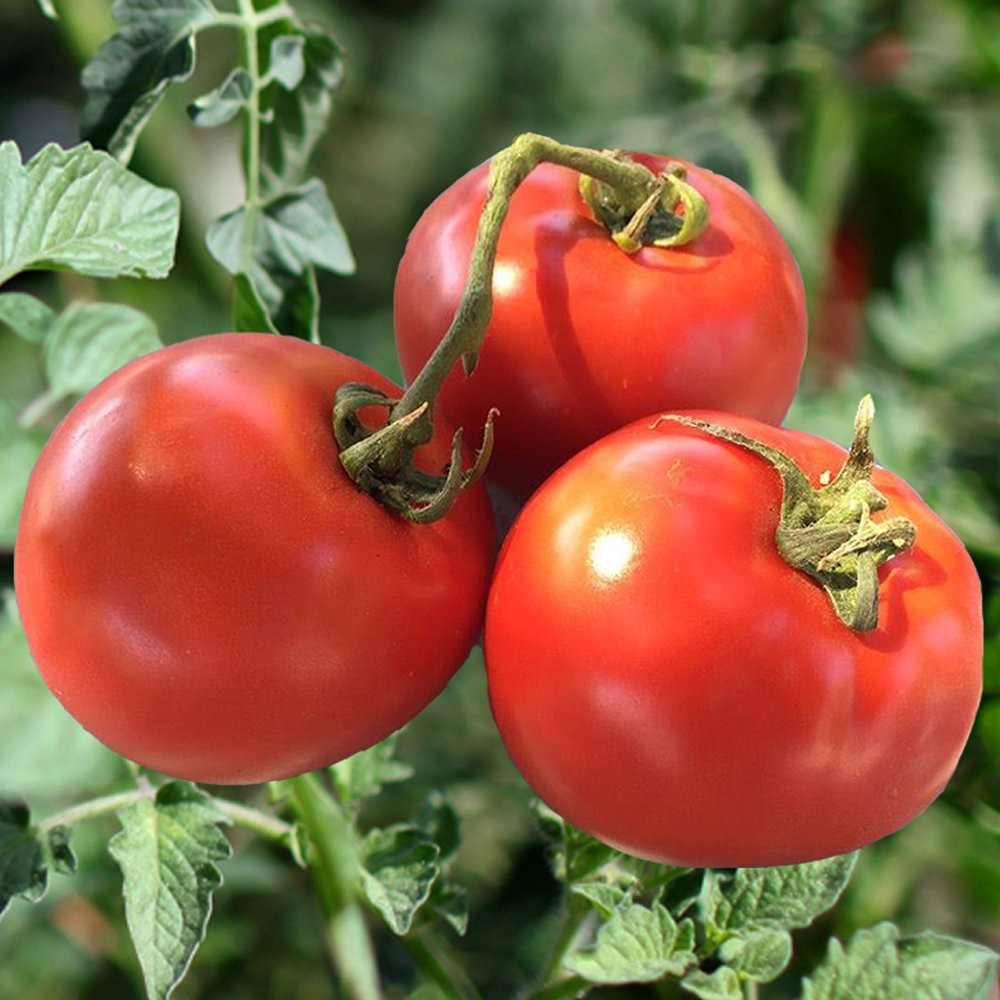
Paste Tomatoes
Thick-walled, meaty tomatoes with low moisture content — the gold standard for making sauces, paste, salsa, and canning. These workhorses of the kitchen garden produce abundantly and process down into rich, concentrated flavor. Varieties may include: San Marzano, Roma, Amish Paste, and other paste-type selections bred for sauce making. Growing tips: Paste tomatoes tend to ripen in a concentrated flush, which is ideal for canning days. They are generally more disease-resistant than slicing types. In our Owens Valley climate, the dry air and intense sun actually benefit paste tomatoes by concentrating their sugars. Plant in full sun, cage or stake, and water at the base to keep foliage dry.
$4.00
Beans & Peas
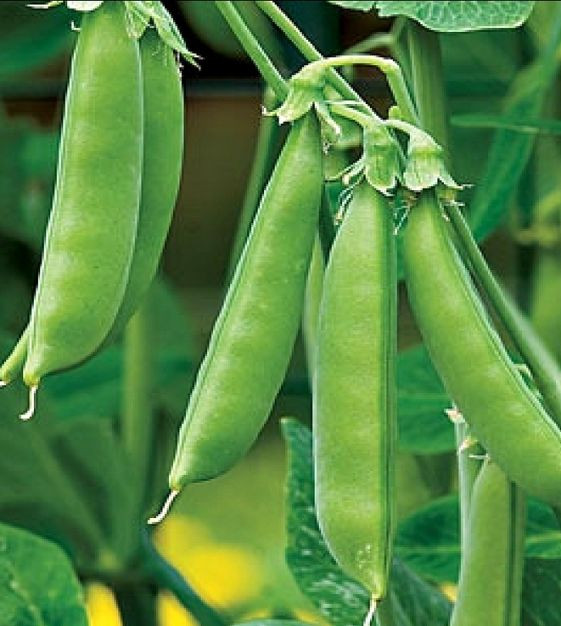
Peas
Sweet garden peas, sugar snap peas, and flat snow peas — the first taste of spring in the garden. Peas are one of the earliest crops you can plant and one of the most rewarding to eat fresh off the vine. Varieties may include: Sugar Snap, Oregon Sugar Pod, Green Arrow, Little Marvel, and other pea selections for fresh eating and shelling. Growing tips: Peas are a cool-season crop — plant as early as late March in Big Pine, as soon as the ground can be worked. They tolerate light frost and actually prefer cooler weather. Provide a trellis for climbing types. Harvest regularly to keep plants producing. In our climate, you get a spring crop and can often plant again in late August for a fall harvest. Pea shoots are a delicious bonus — harvest the tender growing tips for salads.
$2.00
Herbs
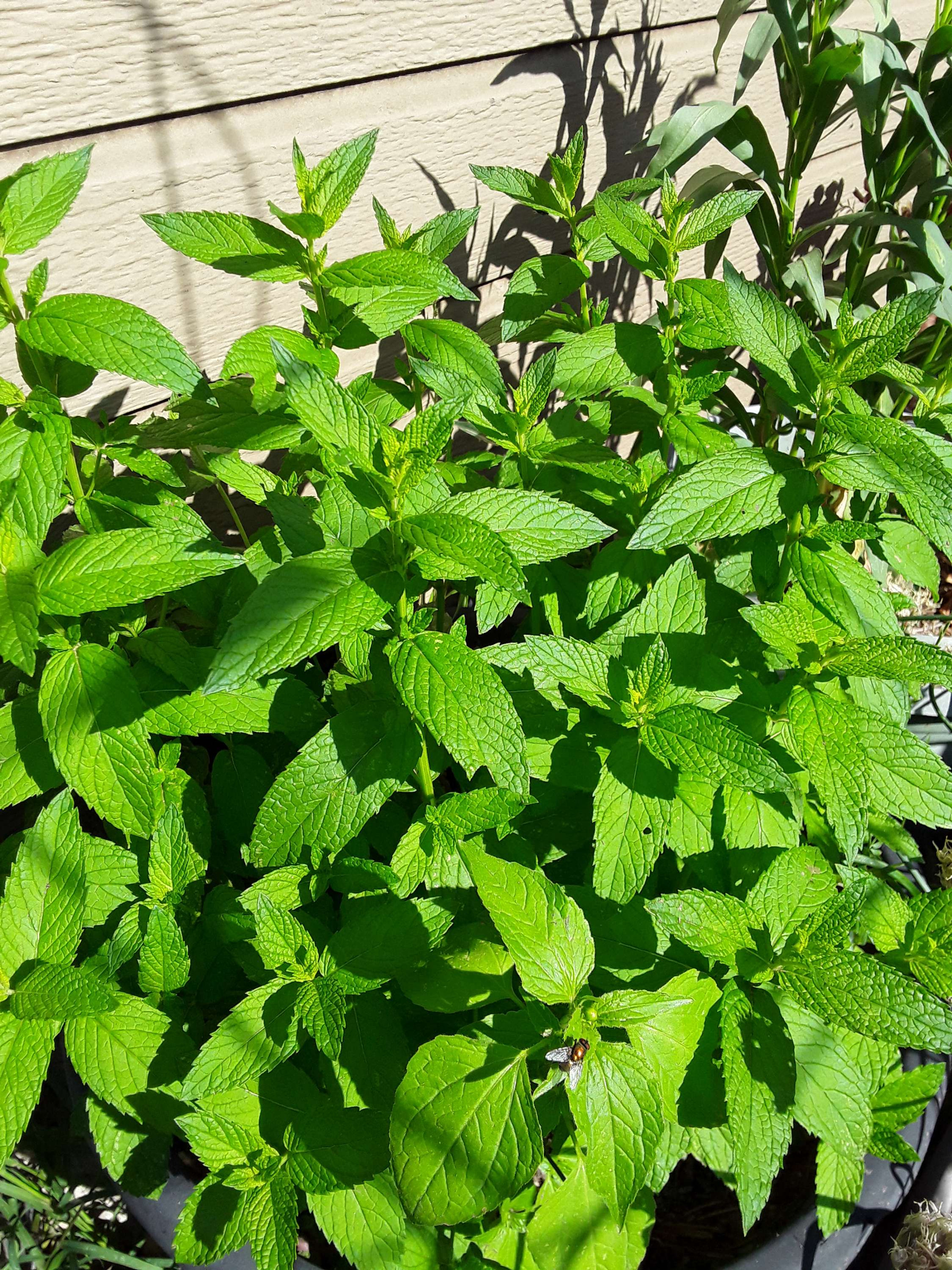
Peppermint
True peppermint with that strong, cooling menthol flavor — more intense than spearmint. Perfect for herbal teas, candy making, desserts, and aromatherapy. A wonderful digestive aid as tea after meals. Growing tips: Peppermint is a natural hybrid of spearmint and watermint. Like all mints, contain it in a pot or dedicated bed. It prefers slightly more moisture than other mints and appreciates afternoon shade in our hot Owens Valley summers. Harvest stems frequently. Dry extra leaves for winter tea — hang bundles upside down in a cool, dark place. Peppermint also repels many pests, making it a good companion plant around the garden perimeter.
$6.00
Cucumbers
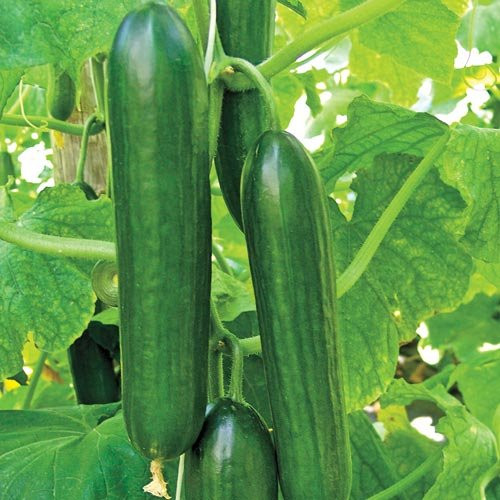
Pickling Cucumbers
Small, firm cucumbers bred specifically for making crispy, crunchy pickles. If you have never made your own pickles with garden-fresh cucumbers, you are in for a revelation. Varieties may include: National Pickling, Boston Pickling, Homemade Pickles, and other pickling varieties. Growing tips: Pickling cucumbers are bred to stay firm through the canning process. They produce heavily in a concentrated period — perfect for batch pickle-making days. Plant the same way as slicing cucumbers. Harvest small (2-4 inches) for cornichons or at 4-6 inches for dill pickles. Do not let fruits get too large or they become seedy and soft. The simple fridge pickle: sliced cukes + vinegar + salt + dill + garlic. You are welcome.
$4.00
Peppers
Pickling Peppers
Medium-heat peppers with firm walls that hold up beautifully in brine — crisp, tangy, and perfect for canning, quick pickles, and escabeche. These varieties bring heat and crunch to sandwiches, nachos, and charcuterie boards. Varieties include: Jalapeño 🌶️🌶️ (medium — the all-American pickling pepper, thick-walled and versatile), Hungarian Wax 🌶️🌶️ (medium — tangy yellow pepper with building heat, a pickling classic), Serrano 🌶️🌶️ (medium — crisp and bright, excellent pickled in escabeche with carrots and onions), Fresno 🌶️🌶️ (medium — red jalapeño cousin with fruity, slightly smoky heat), Italian Wax 🌶️ (mild — classic Italian pickling pepper with tangy mild heat), Santa Fe Grande 🌶️🌶️ (medium — conical yellow-to-red pepper, popular pickled or fresh), Hot Red Cherry 🌶️🌶️ (medium — round, thick-walled cherry pepper, perfect pickled whole), Challeano 🌶️ (mild — versatile mild pepper, great for pickling and fresh eating), and Aji Marchant 🌶️🌶️ (medium — Chilean heirloom brought to California by gold rush immigrants in 1849, the pepper behind Sierra Nevada Canning Company). Growing tips: Pickling peppers are prolific producers in our Owens Valley heat. Plant after last frost and expect heavy harvests from mid-July through September. For crunchiest pickles, harvest peppers firm and process quickly. Hot pack canning with a vinegar brine is the classic method. Quick refrigerator pickles are even easier — sliced jalapeños in rice vinegar, sugar, and salt are ready in an hour. Wear gloves when processing large batches.
Contact for pricing
Squash & Melons
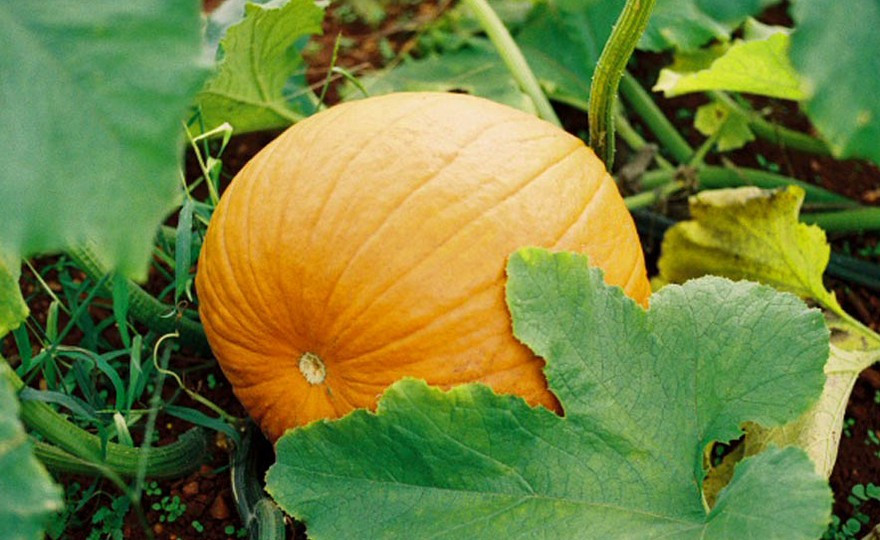
Pumpkins
Carving, pie, and decorative pumpkin varieties to make fall complete. From classic jack-o-lanterns to rich pie pumpkins, there is a variety for every autumn tradition. Varieties may include: Jack O'Lantern, Sugar Pie, Cinderella, and other pumpkin types for carving, cooking, and decorating. Growing tips: Pumpkins need space, sun, and a long growing season. Plant after last frost and give each hill 6-8 feet in all directions. In Big Pine, our warm summer days and cool nights help develop deep orange color. For Halloween pumpkins, count back 90-120 days from your target date to determine planting time. Water consistently but avoid wetting the leaves.
$4.00
Brassicas
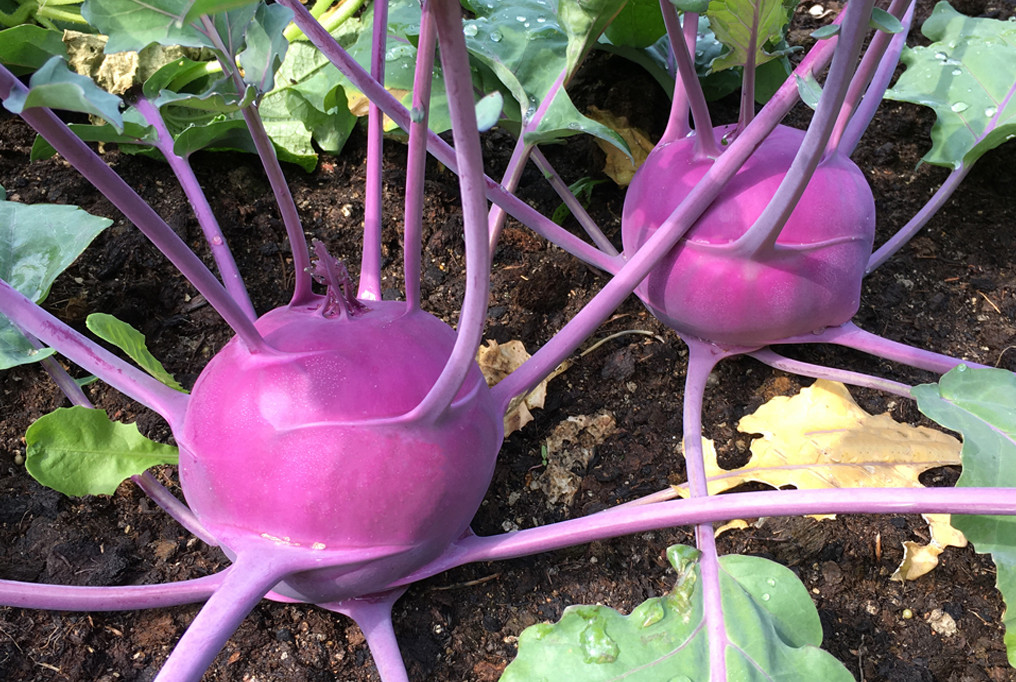
Purple Vienna
Purple Vienna kohlrabi — a unique and underappreciated vegetable with beautiful purple skin and crisp, sweet white flesh inside. Tastes like a mild, sweet broccoli stem crossed with an apple. Growing tips: Kohlrabi is one of the fastest-maturing brassicas — ready in just 55 days. Harvest when the bulb is 2-3 inches in diameter; larger bulbs become woody. In our climate, it excels as a spring or fall crop. Eat raw — sliced thin in salads or cut into sticks with dip — or roast, steam, or add to stir-fries. The leaves are also edible and nutritious. A wonderful gateway vegetable for adventurous eaters.
$4.00
Peppers
Roasting Peppers
Peppers that develop smoky, caramelized sweetness when charred over flame or roasted in a hot oven. These varieties have thin-to-medium walls that blister and peel easily, concentrating their flavor under high heat. Varieties include: Jimmy Nardello (sweet — Italian sweet frying pepper, incredible charred whole), Big Jim 🌶️ (mild — large New Mexico roasting chile with classic Hatch flavor), and NuMex Joe E Parker 🌶️ (mild — dependable New Mexico chile, excellent roasted and peeled). Growing tips: Roasting peppers develop the best flavor when allowed to fully ripen on the plant. In the Owens Valley, our intense summer sun and dry air produce peppers with concentrated sugars and thin skins — ideal for roasting. Char peppers over an open flame or under the broiler until blackened, then steam in a covered bowl to loosen skins. The smoky, silky flesh freezes beautifully for year-round green chile.
Contact for pricing
Beans & Peas
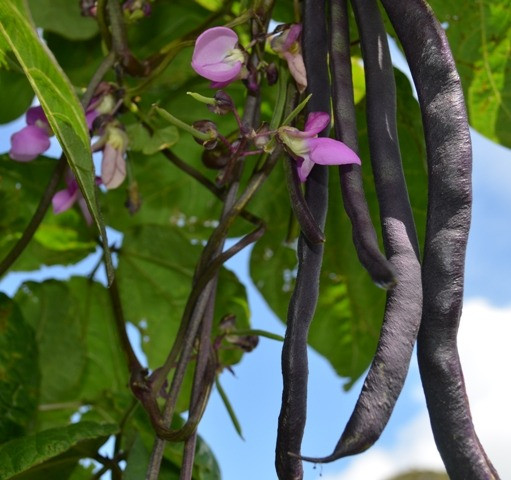
Runner Beans
Beautiful flowering vines that are both ornamental and delicious. Scarlet Runner beans produce stunning red flowers that attract hummingbirds, followed by large, flavorful beans. Varieties may include: Scarlet Runner, Painted Lady, and other runner bean selections. Growing tips: Runner beans prefer slightly cooler conditions than common beans, making them well-suited to our Owens Valley mornings and evenings. Provide a sturdy trellis — these vigorous vines can reach 10+ feet. The flowers are gorgeous in bouquets, and the young pods are excellent cooked like green beans. Mature beans can be dried for winter use.
$4.00
Cucumbers
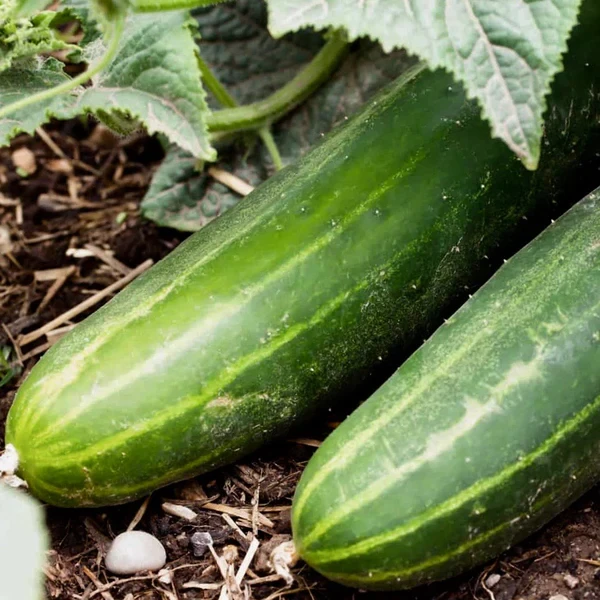
Slicing Cucumbers
Crisp, refreshing slicing cucumbers for salads, sandwiches, gazpacho, and fresh eating on hot summer days. Homegrown cucumbers have a flavor and crunch that store-bought can never match. Varieties may include: Straight Eight, Marketmore, Diva, and other slicing cucumber selections. Growing tips: Cucumbers love heat and need consistent moisture. Direct sow after last frost when soil is warm, or start indoors for a head start. Provide a trellis — vertical growing saves space, keeps fruits clean and straight, and improves air circulation. In our Owens Valley climate, cucumbers thrive but need regular watering. Harvest frequently at 6-8 inches for best flavor and to keep plants producing.
$4.00
Tomatoes
Slicing Tomatoes
Perfect sandwich and salad tomatoes. Firm, flavorful, and sized just right for slicing. These reliable producers give you beautiful, uniform fruits all season long. Varieties include: Golden Jubilee (golden-orange, mild and low acidity — great for those sensitive to acidic tomatoes), Homestead 24 (compact with excellent flavor, heat tolerant), Early Girl Determinate (vibrant red, one of the earliest to ripen — bush habit), Early Girl Indeterminate (same great early flavor, vining habit for extended harvest), Ace 55 VF (productive and disease-resistant, classic slicer), Sunny Boy (bright red, sweet and juicy with compact growth), and Florade (disease resistant, high yield in hot climates). Growing tips: Slicing tomatoes do best in full sun with consistent watering to prevent cracking. In the Owens Valley, determinate varieties are great for shorter seasons and smaller spaces, while indeterminate types keep producing until frost. Stake or cage all varieties for best results.
Contact for pricing
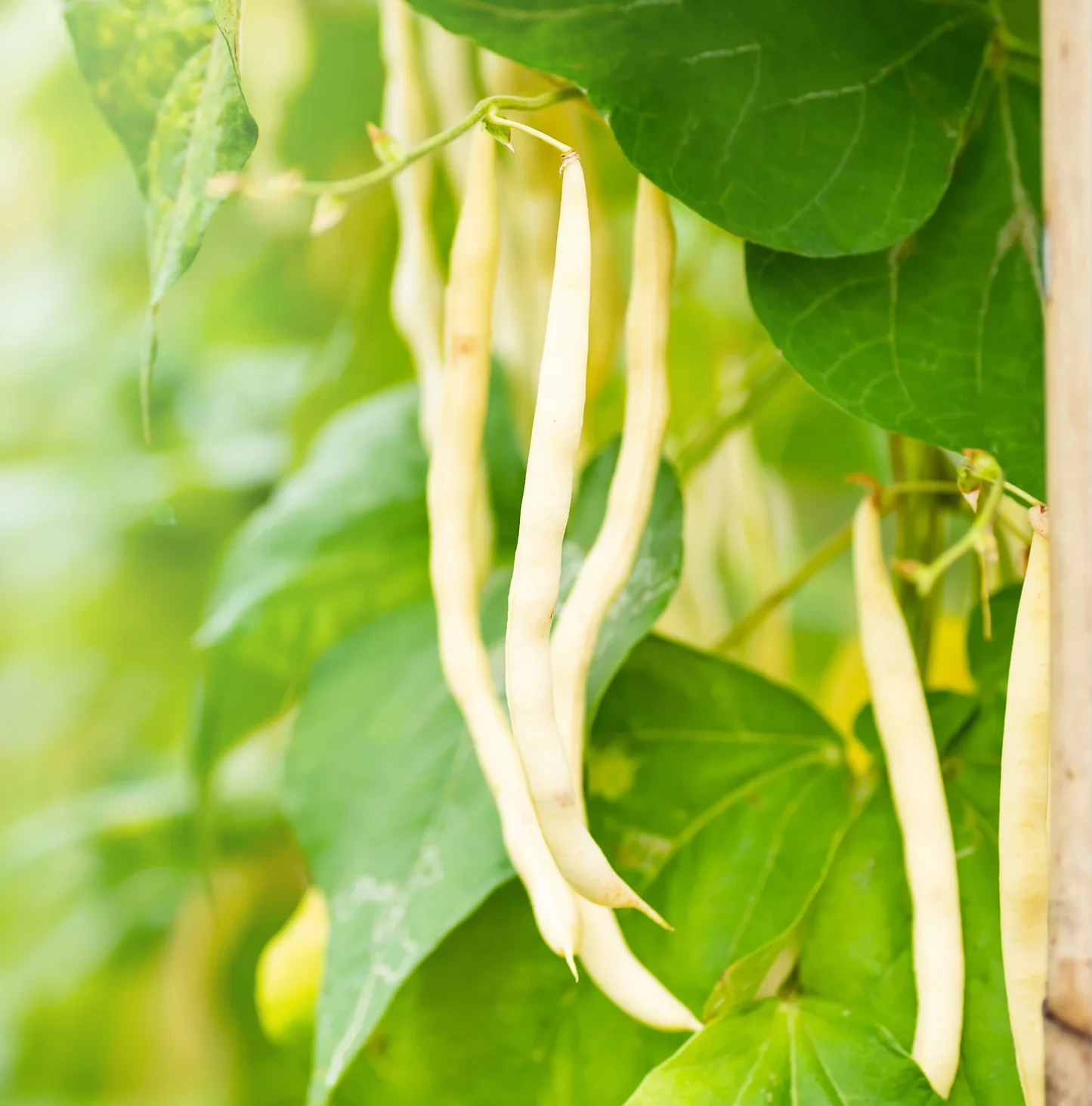
Beans & Peas
Snap Beans
Crisp, tender green beans that snap cleanly when you bend them — the classic fresh-eating bean. Steam, sauté, roast, blanch for salads, or can them for winter. An essential garden vegetable. Varieties may include: Blue Lake, Provider, Contender, and other bush and pole bean selections. Growing tips: Direct sow after last frost when soil is at least 60°F. Bush beans produce a concentrated harvest; pole beans produce longer but need a trellis. In our Owens Valley climate, beans thrive in the warm soil and actually improve it — they fix nitrogen, enriching the soil for next year's crops. Pick frequently to keep plants producing.
$4.00
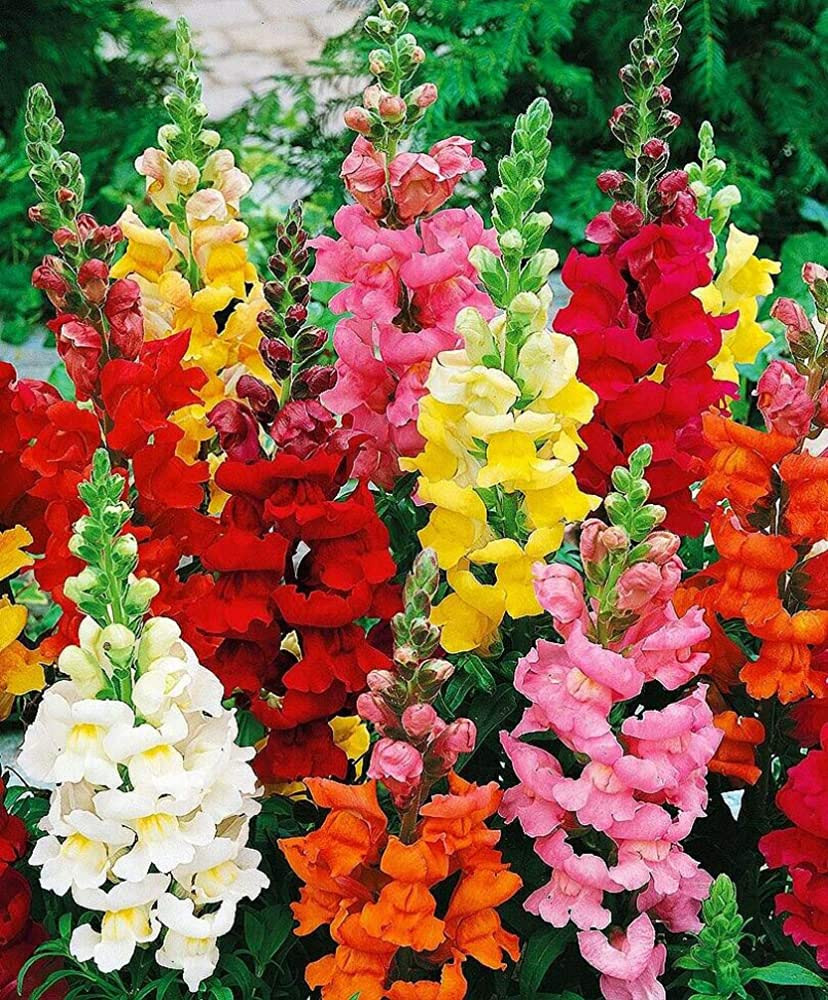
Flowers
Snapdragon
Charming snapdragons with flower spikes in every color of the rainbow. Kids love squeezing the dragon "mouths" open — adults love the vertical drama and cottage-garden charm. Excellent cut flowers. Growing tips: Snapdragons are cool-season flowers that bloom best in spring and fall. In Big Pine, plant transplants in early spring for spring-through-early-summer bloom. They may pause in the hottest part of summer, then rebloom in fall. Pinch the first central spike to encourage branching and more flower stems. Snapdragons are short-lived perennials that often self-sow. Dwarf varieties work well in containers and borders; tall types are stunning in cutting gardens.
$4.00
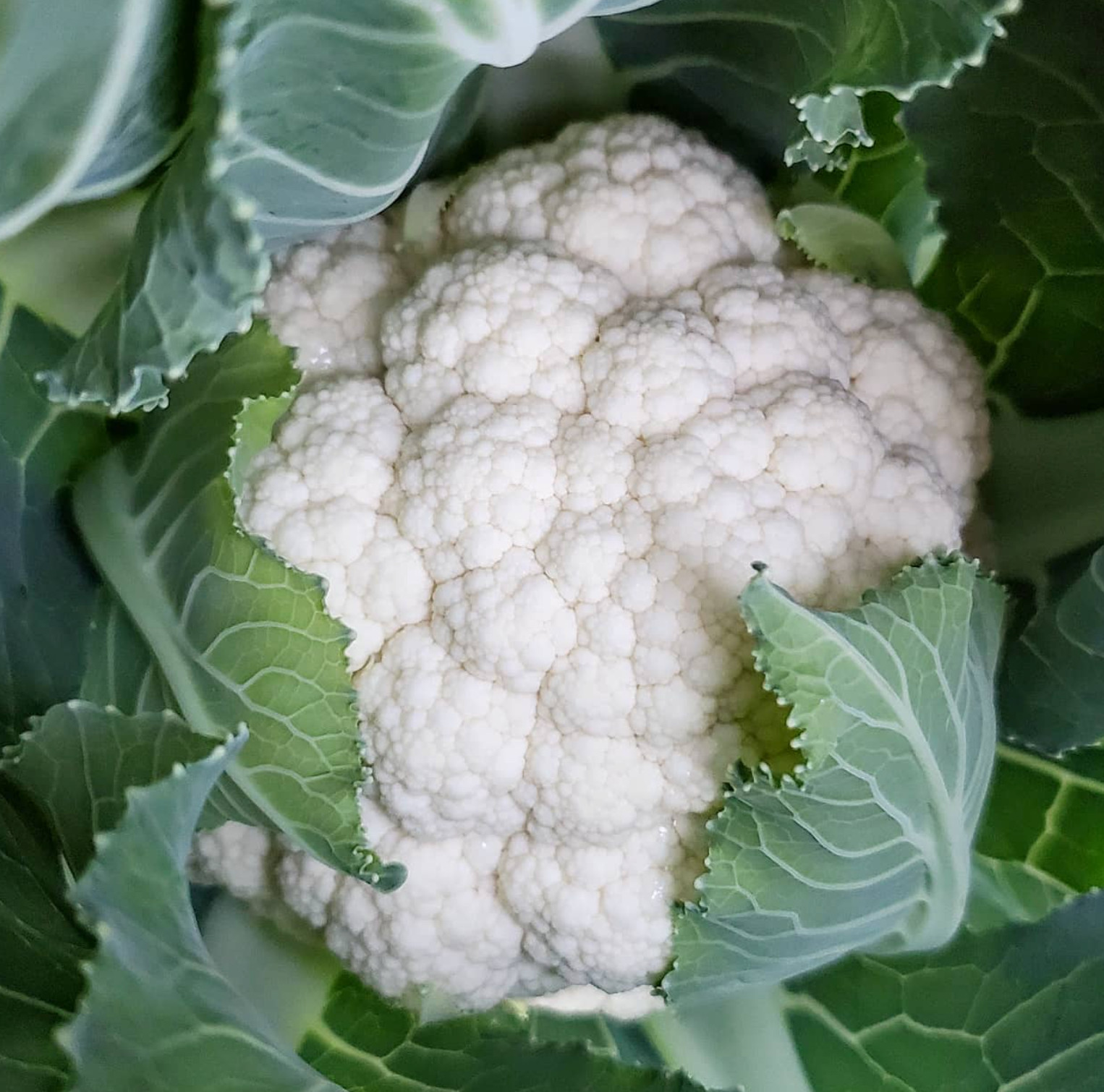
Brassicas
Snowball Y
Snowball Y cauliflower — a reliable, self-blanching variety that produces tight, pure white heads. One of the easiest cauliflower varieties for home gardeners. Growing tips: Cauliflower is the fussiest brassica but Snowball Y is forgiving. "Self-blanching" means the leaves naturally curl over the developing head, protecting it from sun yellowing. Still, in our intense Owens Valley sun, loosely tie outer leaves over the head when it reaches tennis-ball size for the whitest curds. Consistent water and cool temperatures are key — stress causes small, loose heads. Best as a spring or fall crop here.
$4.00
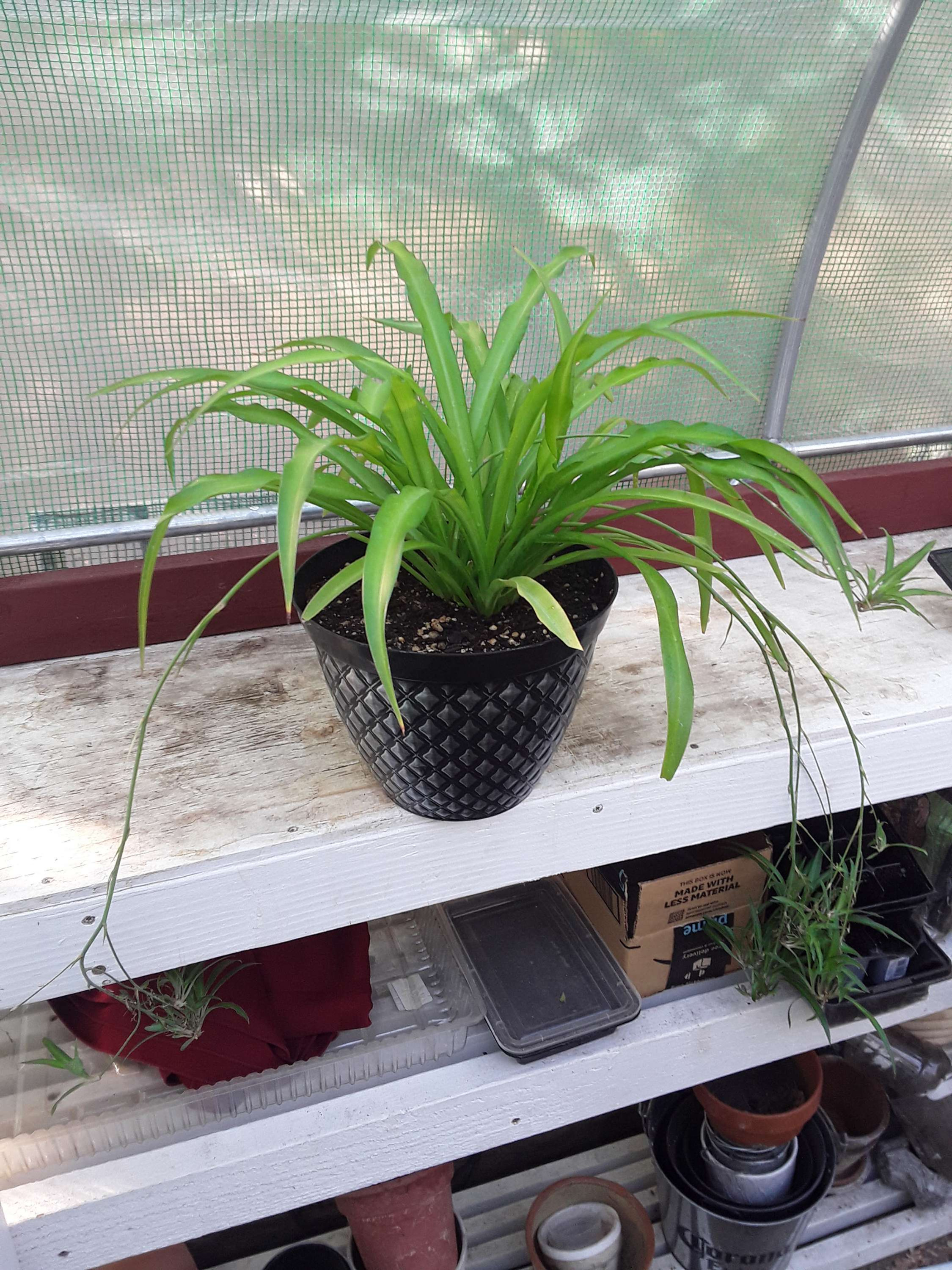
Houseplants
Spider Plants
Classic, nearly indestructible houseplant with arching green and white striped leaves. Spider plants purify indoor air, produce charming "babies" on dangling runners, and thrive on benign neglect. Growing tips: Spider plants tolerate low light, irregular watering, and temperature fluctuations — perfect for beginners. Bright indirect light produces the best variegation. Let the soil dry out between waterings. The "babies" (plantlets) on runners can be snipped and potted up to share with friends. Spider plants are mildly toxic to cats — most cats chew on them without serious harm but it may cause mild stomach upset. Non-toxic to dogs and humans.
$12.00
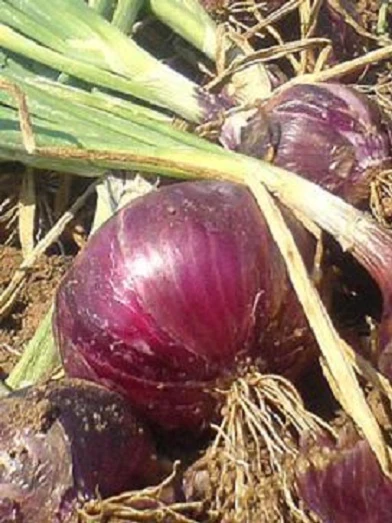
Root & Bulb
Standard Onions
Classic cooking onions in yellow, white, and red varieties. Home-grown onions have a depth of flavor that store-bought onions simply cannot match. Varieties may include: Yellow Sweet Spanish, White Sweet Spanish, Red Burgundy, and other storage and fresh-eating onion types. Growing tips: Onion variety selection matters at our latitude — choose "long-day" varieties suited to northern regions. Plant sets or transplants in early spring as soon as the ground can be worked. Onions are ready when tops fall over and begin to dry. Cure in a warm, dry spot for 2-3 weeks before storing. Our dry Owens Valley air is perfect for curing and long-term onion storage.
$4.00
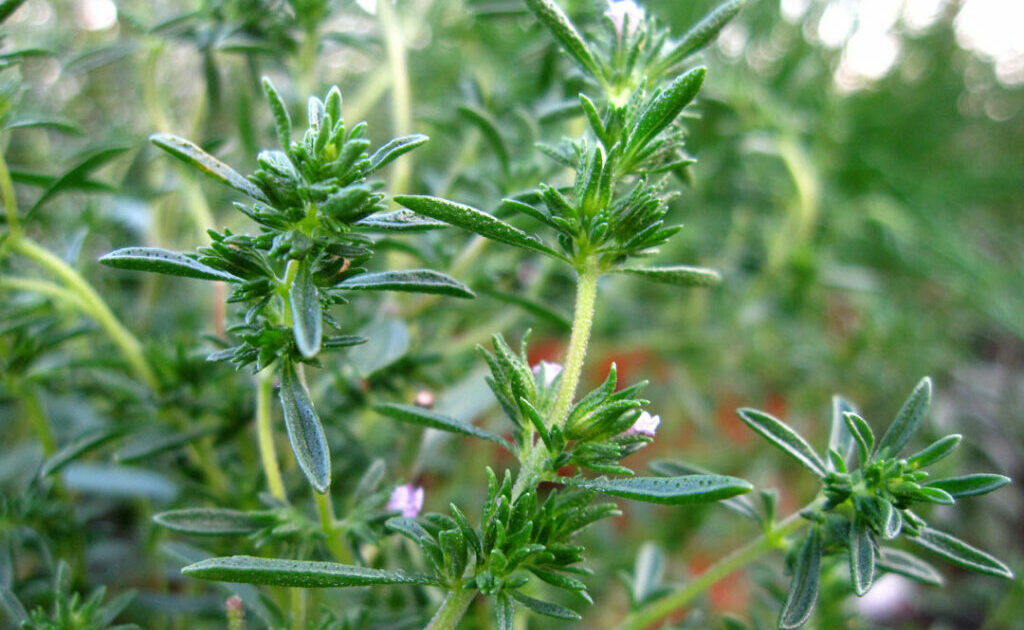
Herbs
Summer Savory
Peppery, aromatic herb that is traditional with beans and lentils — known as the "bean herb" across European kitchens. A warm-weather annual with fine, delicate leaves and intense flavor. Growing tips: Direct sow after last frost — summer savory grows quickly and easily. It is a natural pairing with all types of beans (reduces gas, too!) and also excellent with eggs, grilled meats, and roasted vegetables. The flavor is peppery and thyme-like. Harvest before flowering for best flavor. Dries well for winter use. Less well-known than many herbs but once you try it with a pot of white beans, you will never cook beans without it again.
$4.00
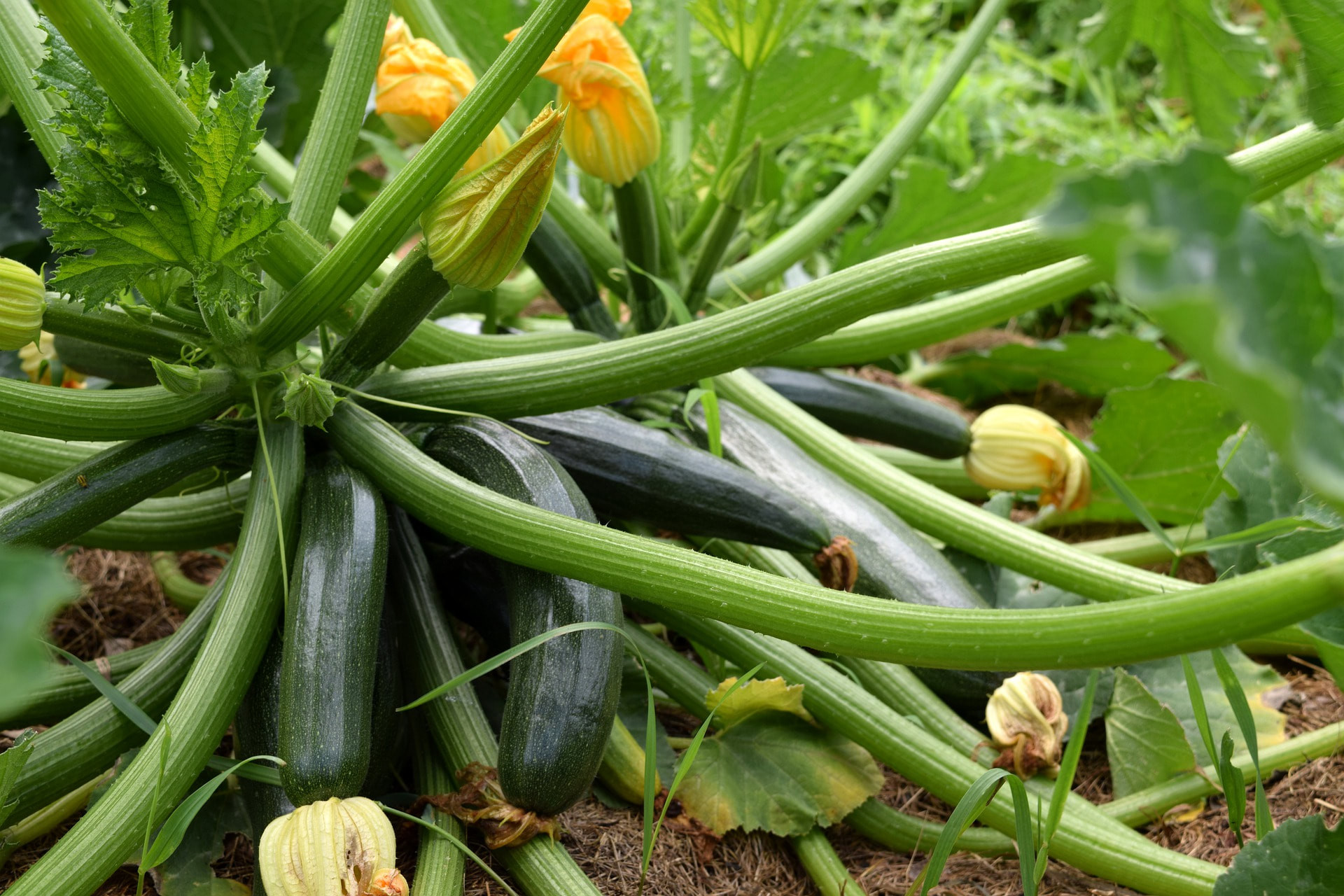
Squash & Melons
Summer Squash
Zucchini, yellow crookneck, pattypan, and other summer squash varieties that produce prolifically from early summer through fall. The garden's most generous plant — you will have plenty to share with neighbors. Varieties may include: Black Beauty Zucchini, Yellow Crookneck, Pattypan/Scallop, Costata Romanesco, and other summer-type squash. Growing tips: Direct sow after last frost when soil is warm. Summer squash grows fast — harvest frequently at 6-8 inches for best flavor and texture. Letting fruits get too large makes them seedy and tough. In our climate, watch for squash vine borers and powdery mildew. Morning watering at the base keeps foliage dry and healthy. Two to three plants feed a family generously.
$4.00
Tomatoes
Sun Drying Tomatoes
Small, meaty tomatoes bred specifically for sun drying. Intensely flavored when dried, these concentrate into rich, sweet morsels perfect for pastas, salads, and snacking. Varieties include: Principe Borghese (small, intense Italian heirloom — the classic sun drying tomato, produces heavy clusters of small oval fruits that dry beautifully in our Owens Valley sun). Growing tips: Sun drying tomatoes thrive in hot, dry climates — Big Pine is ideal. Let fruits ripen fully on the vine, then halve and dry in direct sun or a dehydrator. Plants are prolific and compact, well-suited to smaller garden spaces.
Contact for pricing
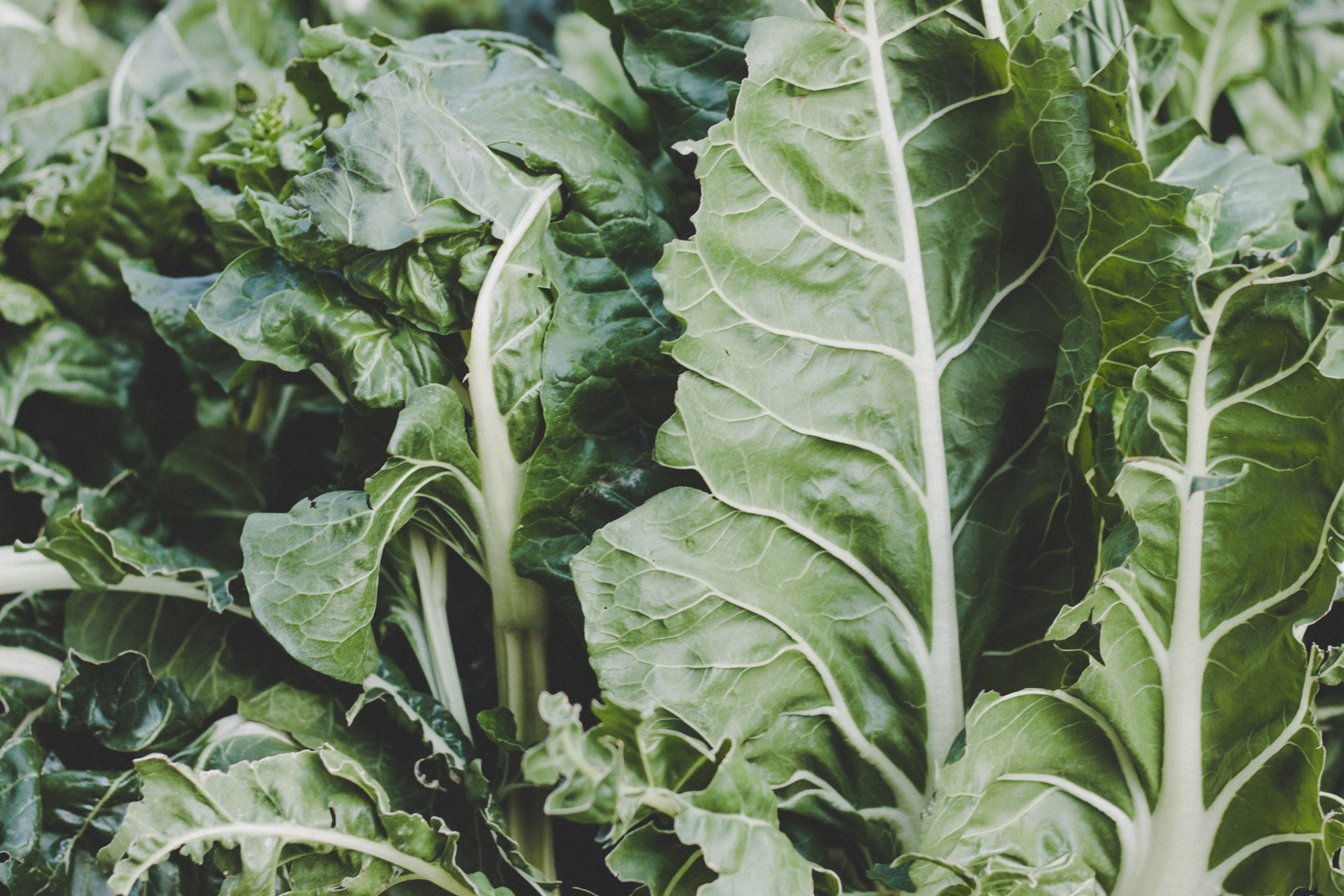
Greens & Lettuce
Swiss Chard
Barese basil — a compact Italian variety with intensely aromatic small leaves and concentrated flavor. Considered by many to be the best basil for authentic pesto Genovese. Growing tips: Barese is more compact than large-leaf basil varieties like Genovese, making it perfect for containers and small gardens. Its smaller leaves pack more essential oils per square inch, giving you more intense flavor. Same growing requirements as all basil — warm weather, full sun, consistent moisture. This variety is slower to bolt than many basils, extending your harvest window. Try it in a Caprese salad with fresh mozzarella and Big Pine tomatoes.
$6.00
Other Vegetables
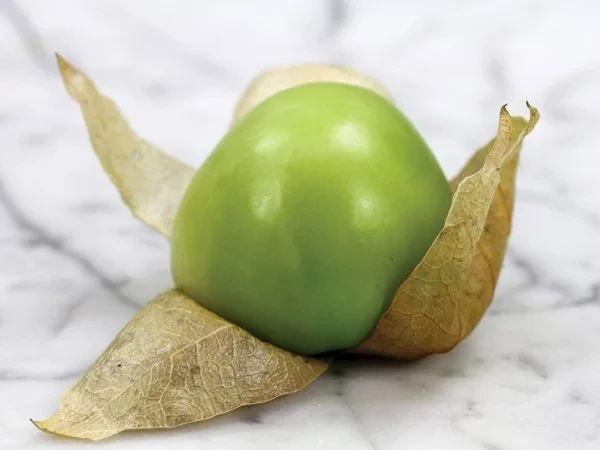
Tomatillos
The essential ingredient for authentic salsa verde, green enchilada sauce, and Mexican cuisine. Tomatillos are prolific producers wrapped in papery husks — each plant delivers pounds of tangy green fruits. Growing tips: Plant at least two tomatillo plants — they need cross-pollination for good fruit set. They are easier than tomatoes and more pest-resistant. In our climate, they thrive with minimal fuss. Fruits are ready when they fill and split their papery husk. Remove husks and rinse off the sticky coating before using. Roasted tomatillos + jalapeños + garlic + cilantro + lime = the best salsa verde you have ever had. Plants often self-sow, giving you free tomatillos next year.
$6.00
Herbs
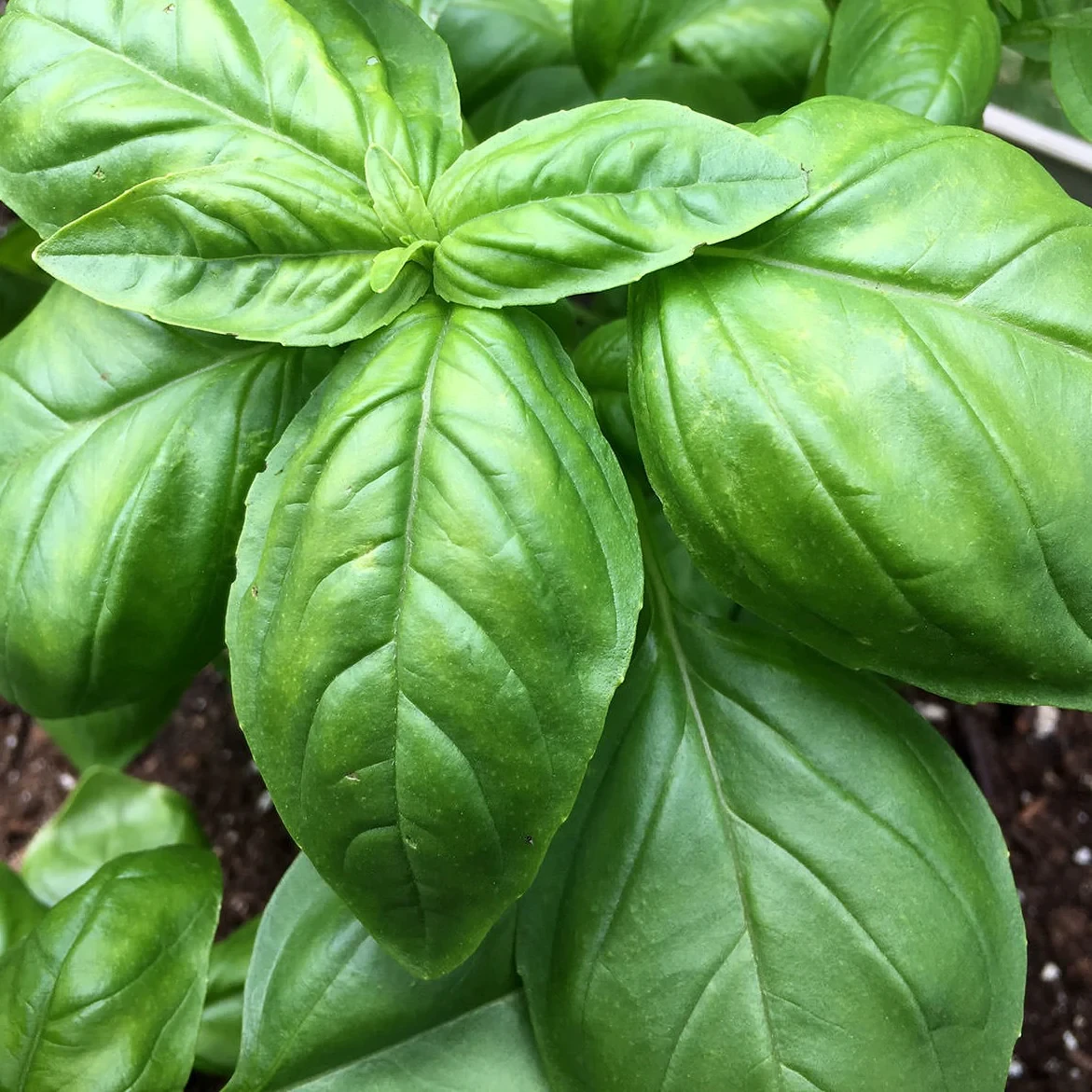
Unknown Basil Variety
A mystery basil with excellent flavor — we are still working on identifying the exact cultivar. What we do know: it grows beautifully in our Big Pine climate, produces abundant aromatic leaves, and makes outstanding pesto. Growing tips: Basil is a warm-weather annual that hates cold — do not plant until nighttime temperatures are reliably above 50°F (late May/early June in Big Pine). Full sun, consistent moisture, and rich soil. Pinch off flower buds as they appear to prolong leaf production. Harvest from the top down, cutting just above a leaf pair to encourage branching. Basil does not store well fresh — make pesto and freeze it, or dry leaves for winter use.
$4.00
Squash & Melons
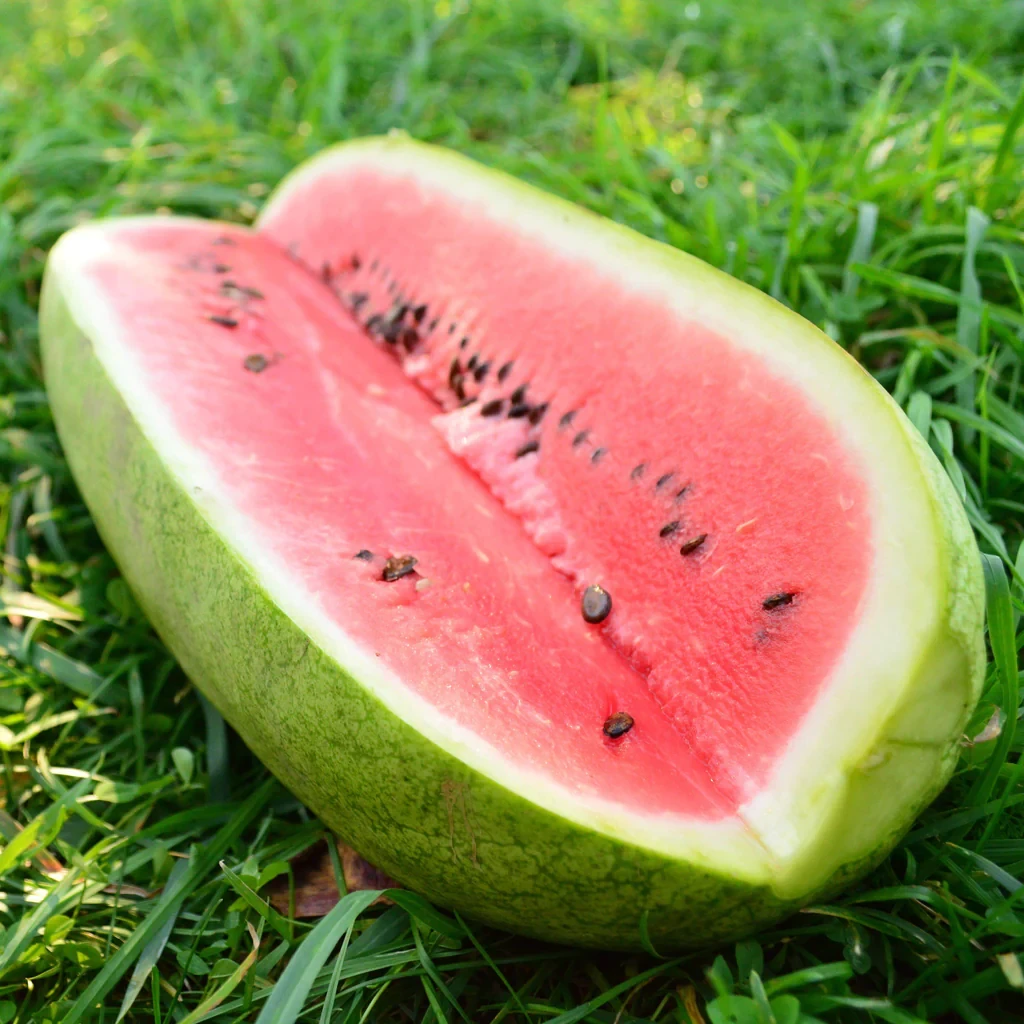
Watermelons Large
Full-sized watermelon varieties for summer picnics, BBQs, and family gatherings. These big beauties need some space and patience, but the reward is unmatched summer refreshment. Varieties may include: Crimson Sweet, Charleston Gray, Sugar Baby (large), and other full-sized selections. Growing tips: Large watermelons need 80-100 days of warm weather — our Owens Valley summers provide perfect conditions. Start seeds indoors or direct sow after soil reaches 70°F. Give each plant 6-8 feet of space. When the tendril nearest the fruit turns brown and the belly spot turns from white to cream/yellow, your melon is ready. Thump test: a ripe watermelon sounds hollow, not dull.
$4.00
Squash & Melons
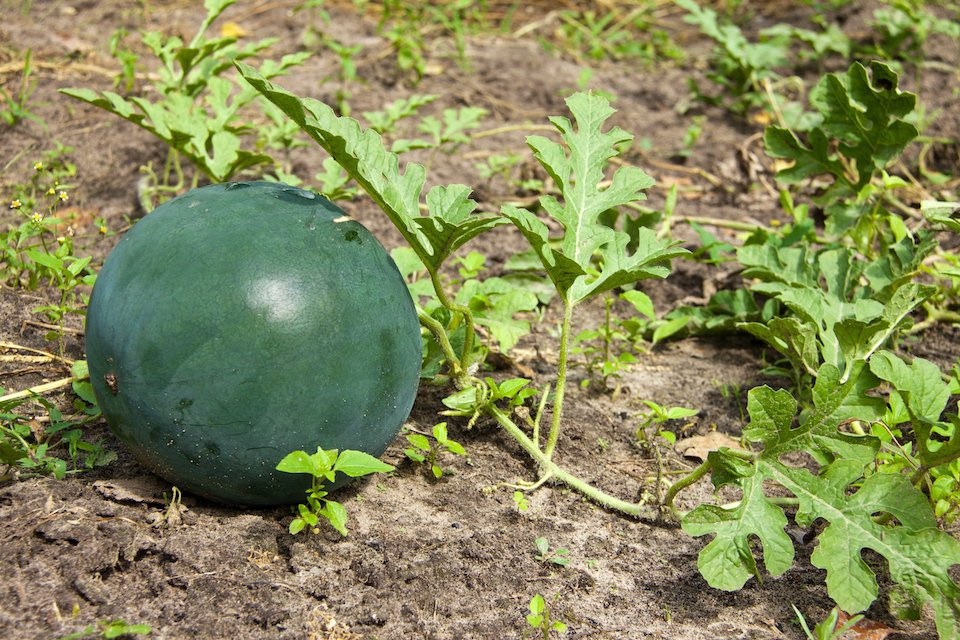
Watermelons Small/Medium
Personal and icebox-sized watermelons — all the sweetness in a more manageable package. Perfect for small households, small gardens, and anyone who wants the whole melon to themselves. Varieties may include: Sugar Baby, Blacktail Mountain, and other compact watermelon selections bred for smaller spaces and shorter seasons. Growing tips: These smaller varieties mature faster (70-80 days) than their full-sized cousins, making them more reliable at our 3,990-foot elevation. Same care as large melons — full sun, warm soil, consistent water — but they need less space. A great choice for raised beds and smaller gardens.
$4.00
Flowers
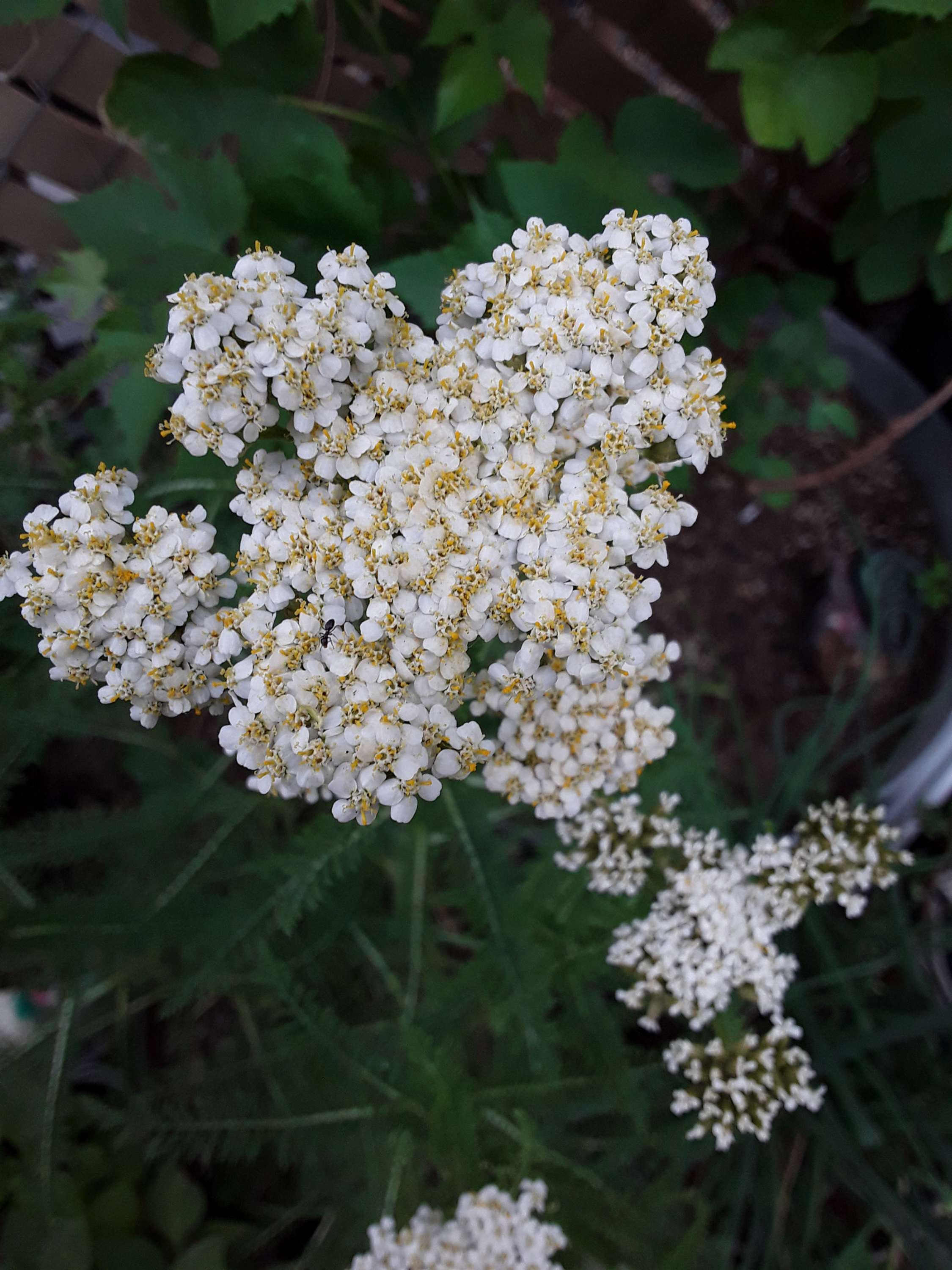
White Yarrow
Tough, drought-tolerant perennial with flat clusters of tiny white flowers that bloom all summer. Yarrow is both a beautiful landscape plant and a traditional medicinal herb with a history stretching back thousands of years. Growing tips: Yarrow is nearly indestructible in our climate — drought-tolerant, cold-hardy, and pest-free. It spreads by both seeds and rhizomes to form an attractive ground-covering colony. Excellent in pollinator gardens and xeriscaping. The flowers dry beautifully for arrangements. Medicinally, yarrow has been used for wound healing and as an anti-inflammatory tea. Pair with other drought-tolerant perennials like lavender and sage for a low-water, high-impact garden.
$4.00
Squash & Melons
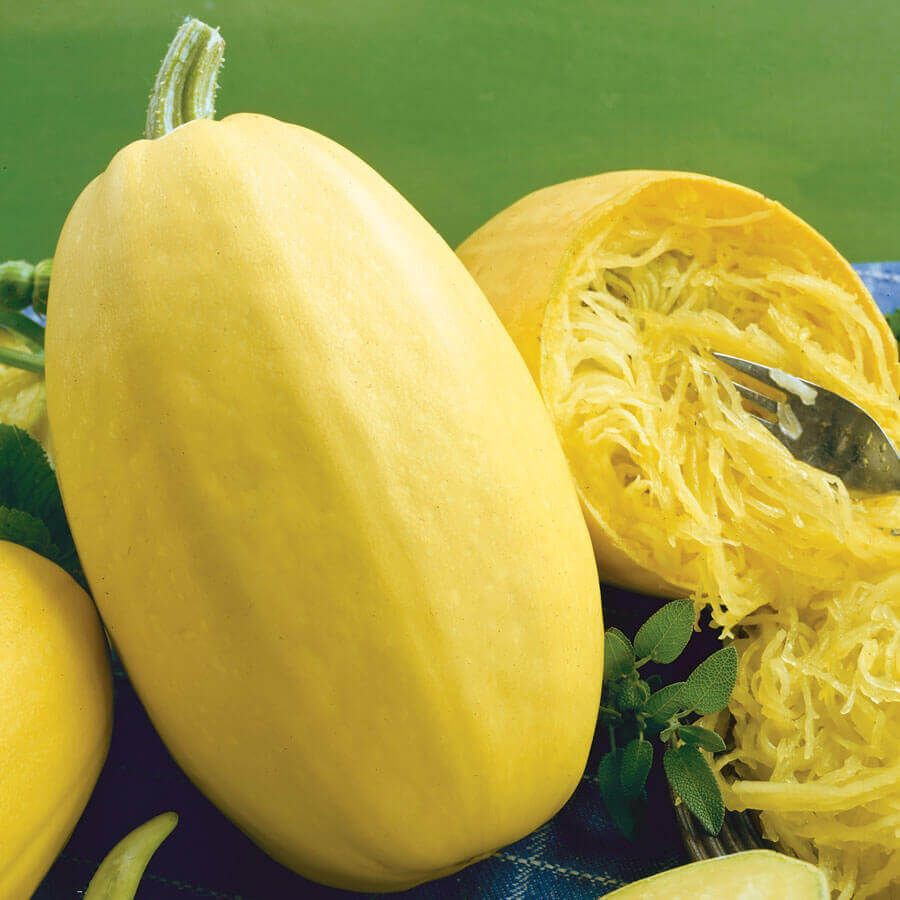
Winter Squash
Butternut, acorn, spaghetti, and other storage squash that you harvest in fall and enjoy all winter long. These hardy, long-keeping squash are nutritional powerhouses with rich, sweet flavor that improves in storage. Varieties may include: Butternut, Acorn, Spaghetti, Delicata, Hubbard, and other winter-type squash. Growing tips: Winter squash needs a long season — plant after last frost and give them plenty of room to sprawl. They are ready when the stem dries and the rind is hard enough that you can't dent it with your thumbnail. Cure in the sun for a week after harvest, then store in a cool, dry place. In the Owens Valley, our warm days and cool nights produce excellent sugar content in winter squash.
$4.00
Tomatoes
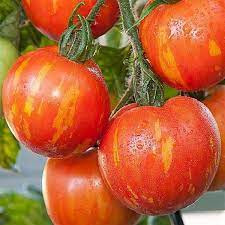
Zebra Tomatoes
Striking striped tomatoes with gorgeous green, red, and yellow patterns that look almost too beautiful to eat — but you should, because the flavor is exceptional. These heirloom beauties add visual drama to salads and garden alike. Varieties may include: Green Zebra, Red Zebra, and other striped heirloom selections. Growing tips: Zebra tomatoes can be tricky to judge for ripeness since they stay green-striped even when ripe. Give them a gentle squeeze — they should yield slightly when ready. Full sun, consistent water, and good air circulation keep these beauties happy in our dry mountain climate.
$4.00
Flowers
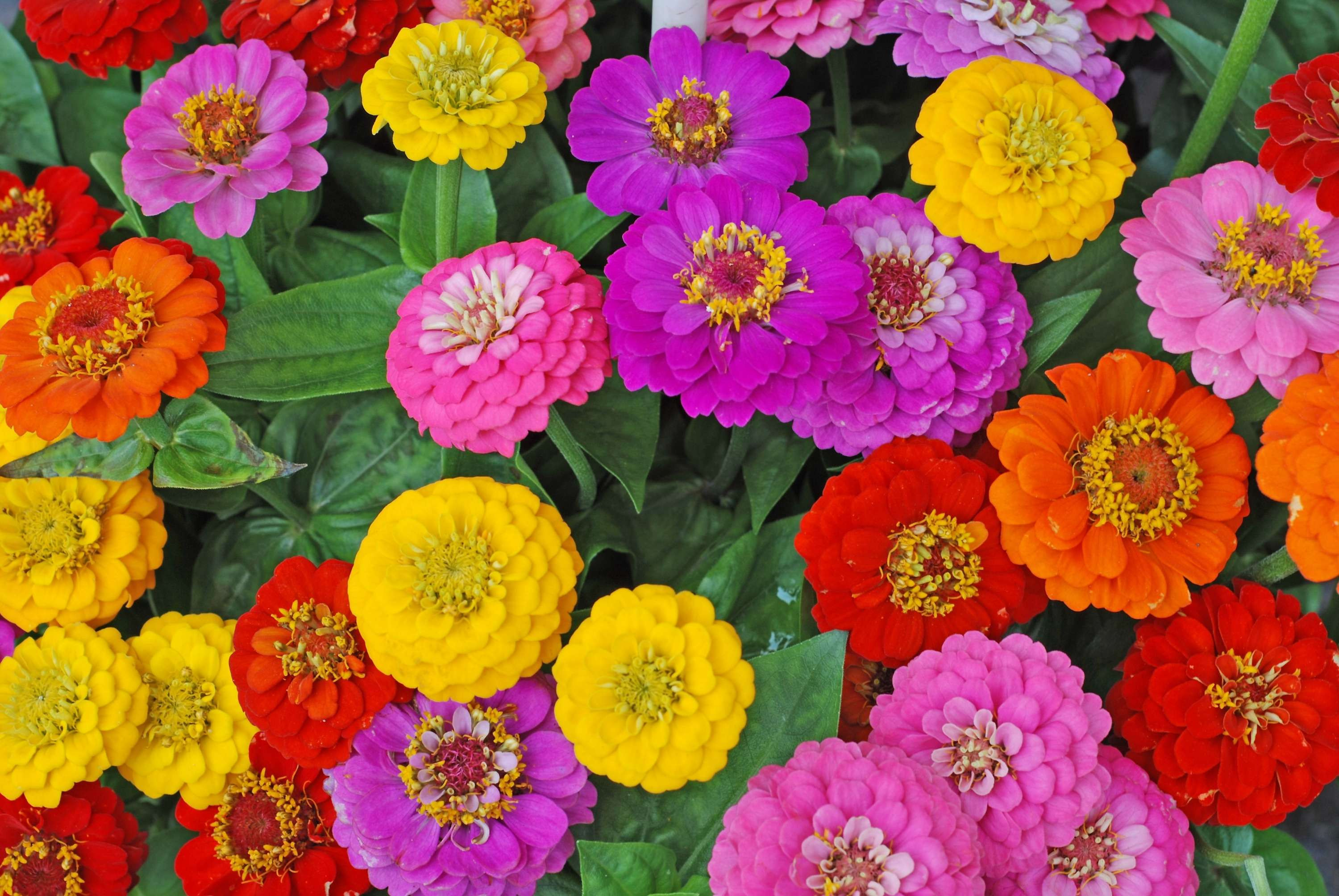
Zinnia
Vibrant, long-lasting zinnias in a rainbow of colors that bloom from midsummer until frost. The ultimate cut-and-come-again flower — the more you cut, the more they bloom. Growing tips: Direct sow after last frost — zinnias grow fast in warm soil. They are tailor-made for our Owens Valley climate: they love heat, full sun, and can handle our alkaline soil. Space plants for good air circulation to prevent powdery mildew. Deadhead regularly or, better yet, cut armloads of flowers for the house — cutting encourages more blooms. Mix heights and colors for a cottage-garden look. Zinnias attract butterflies like no other flower.
$4.00