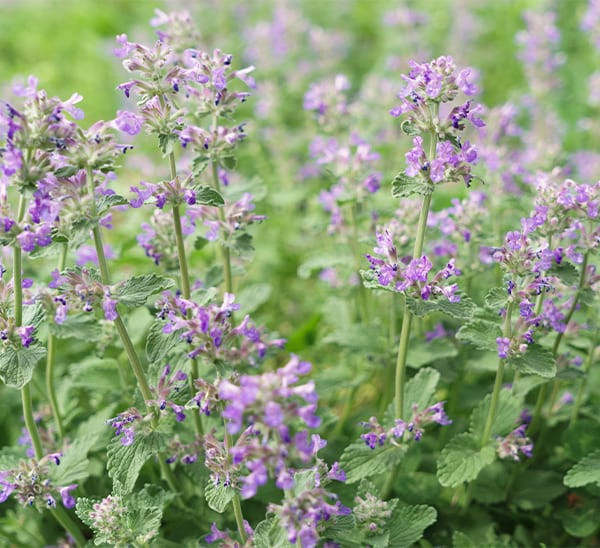
Catnip
$6.00
Yes, your cats will love it — but catnip also makes a pleasant, mildly sedative herbal tea for humans. A member of the mint family with similar vigor and growing habits.
Growing Tips
Like its mint relatives, catnip is a vigorous grower that can spread aggressively. Contain it in a pot or dedicated area. If you have cats, be warned — they may roll in it, eat it, and destroy the plant with love. Plant extras. For tea, harvest stems before flowering, dry them, and steep in hot water. Catnip also repels mosquitoes, aphids, and flea beetles, making it a useful companion plant. The small white-purple flowers attract pollinators.
Owens Valley only. Pickup in Big Pine or local delivery.
More Herbs
Rosemary
Aromatic, drought-tolerant rosemary — a perennial herb that earns its place in every garden. Wonderful for roasting meats, flavoring bread, infusing olive oil, and simply brushing past for the fragrance. Growing tips: Rosemary is a Mediterranean native that loves our dry Owens Valley climate. Once established, it needs very little water. Full sun, well-drained soil, and protection from the harshest winter winds are all it asks. In Big Pine, it may need winter mulching in exposed locations. One plant provides more rosemary than most cooks can use. Prune regularly to maintain shape and encourage bushy growth. Excellent in containers on a sunny patio.
Garden Sage
Classic culinary sage with velvety, gray-green aromatic leaves. An essential herb for Thanksgiving stuffing, brown butter sauce, saltimbocca, sausage seasoning, and fall/winter cooking. Growing tips: Sage is a tough perennial that thrives in our dry, alkaline soil — conditions that many herbs love. Full sun and minimal water once established. Harvest regularly by snipping stems to encourage bushy growth. Sage is semi-evergreen in our climate and can often be harvested year-round with winter protection. The purple flowers in spring attract pollinators. Pair with butternut squash, pork, poultry, and white beans.
Mint
Refreshing, vigorous mint for mojitos, juleps, teas, tabbouleh, Vietnamese cooking, desserts, and just about everything else. One of the most useful and easiest herbs to grow — almost too easy. Varieties may include: Spearmint, Peppermint, Chocolate Mint, and other mint types. Growing tips: WARNING: Mint is an aggressive spreader. Grow it in containers or a dedicated bed where it cannot escape — we are not kidding about this. That said, it is nearly indestructible and provides unlimited harvests. Full sun to part shade, regular water. Harvest frequently by cutting stems — this keeps plants bushy and prevents flowering. Mint tea is as simple as steeping fresh leaves in hot water. Freeze extra leaves in ice cube trays for winter cocktails.
Peppermint
True peppermint with that strong, cooling menthol flavor — more intense than spearmint. Perfect for herbal teas, candy making, desserts, and aromatherapy. A wonderful digestive aid as tea after meals. Growing tips: Peppermint is a natural hybrid of spearmint and watermint. Like all mints, contain it in a pot or dedicated bed. It prefers slightly more moisture than other mints and appreciates afternoon shade in our hot Owens Valley summers. Harvest stems frequently. Dry extra leaves for winter tea — hang bundles upside down in a cool, dark place. Peppermint also repels many pests, making it a good companion plant around the garden perimeter.