Flowers
Annuals and perennials to brighten your garden.
Grow-to-order: We start most plants from seed after you order. Place your order early and we grow your plants until the weather is ready — then pick up in Big Pine or get local delivery. You can also find us at weekend sales at our home, farmers markets in Big Pine and Bishop, and tribal community events throughout the season.
Flowers
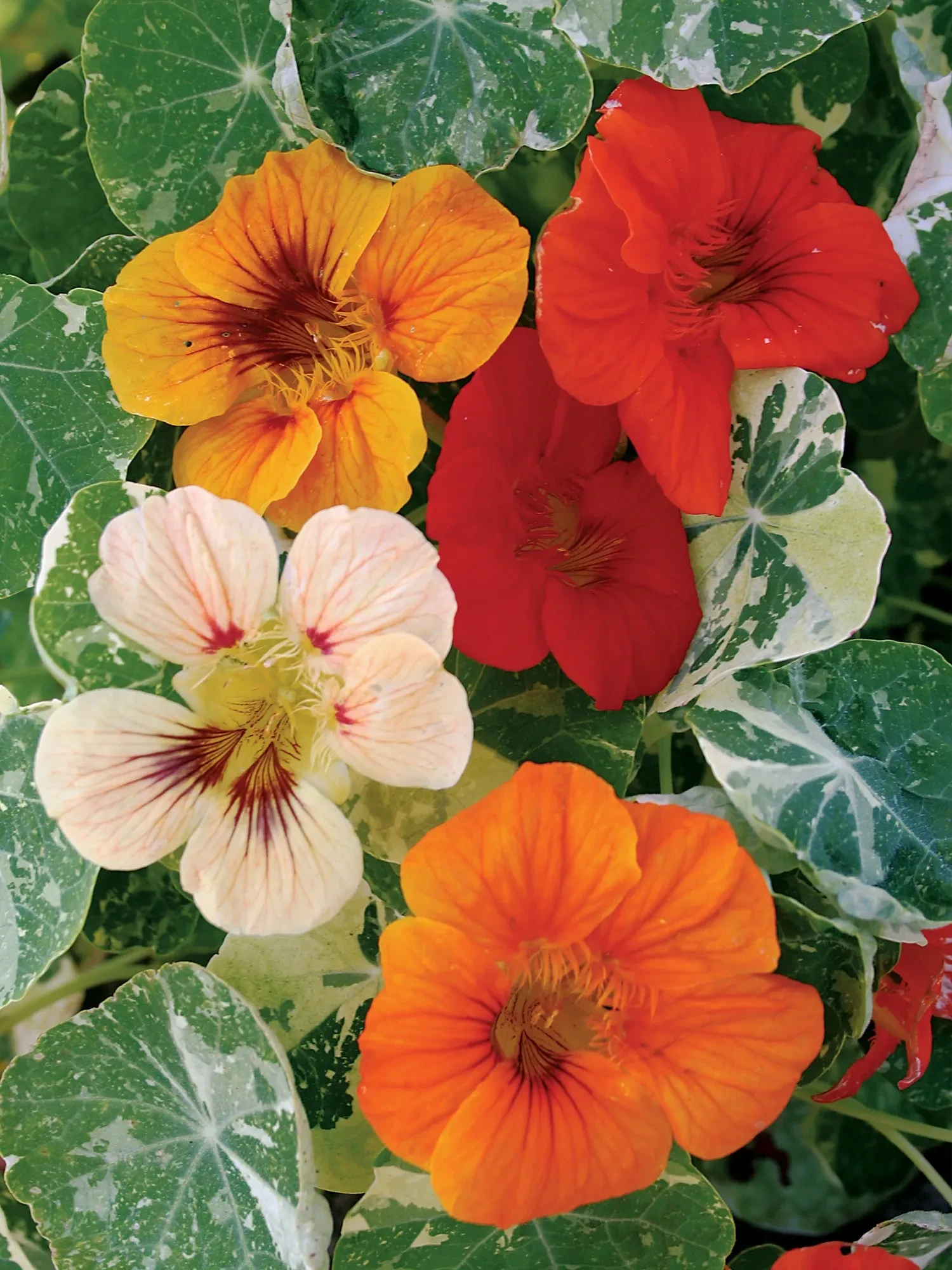
Nasturtium
Edible flowers and trailing vines in warm tones of orange, red, and yellow. Both the peppery flowers and round lily-pad leaves are edible — a garden plant that feeds your eyes and your salad bowl. Growing tips: Direct sow after last frost — nasturtiums resent transplanting. They actually prefer poor soil — too much fertility produces lots of leaves and few flowers. Our lean Owens Valley soil is perfect. Nasturtiums are excellent companion plants — they trap aphids away from your vegetables (a "sacrifice crop") and attract predatory insects. Stuff flowers with herbed cream cheese for an elegant appetizer, toss petals in salads, or pickle the seed pods as "poor man's capers."
$4.00
Flowers
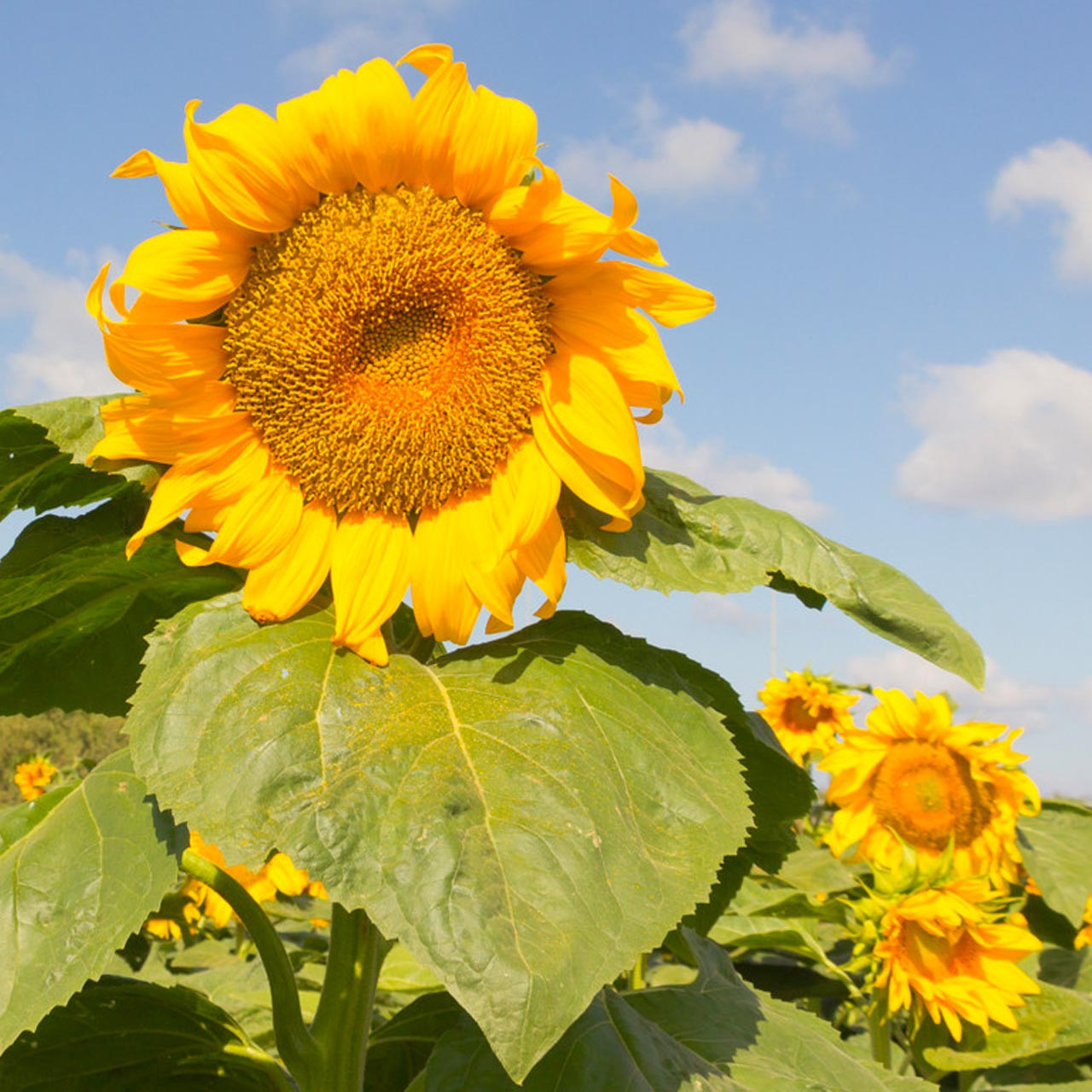
Sunflowers
Cheerful, towering sunflowers that are the ultimate garden showstopper. Our selection includes giant varieties for the back of the border and smaller types for cutting gardens. A magnet for pollinators, birds, and smiles. Varieties include: Mongolian Giant (8-12 feet tall with massive dinner-plate-sized heads), Red Torch (stunning red and yellow bicolor blooms), Ring of Fire (striking red and yellow flame pattern, 4-6 feet), and other selections. Growing tips: Direct sow after last frost — sunflowers grow fast and do not like transplanting. Mongolian Giants need staking or support in windy areas. Our Owens Valley sun produces excellent sunflowers with strong stalks and heavy seed heads. Leave spent heads for the birds in fall, or harvest seeds for roasting. Sunflower roots exude allelopathic compounds — rotate their location each year.
$4.00
Flowers
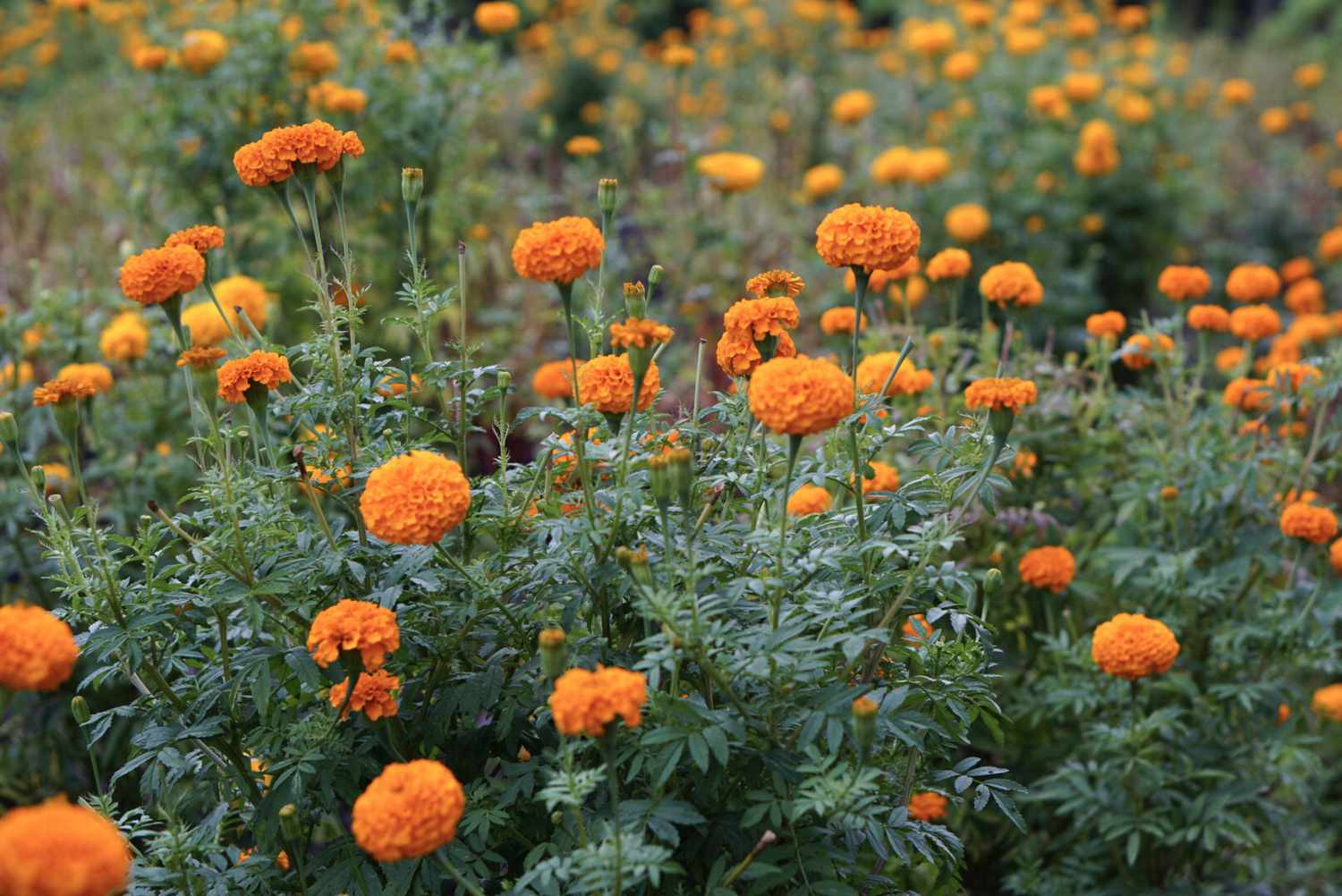
Calendula Marigold
Medicinal calendula (pot marigold) with edible orange and yellow petals — not to be confused with common marigolds. Calendula is used in healing salves, skin care products, herbal teas, and as a beautiful edible flower. Growing tips: Calendula is one of the most useful plants in the garden. The petals have anti-inflammatory and skin-healing properties — infuse them in olive oil for a soothing salve. Scatter fresh petals in salads for a pop of color, or use as a natural food coloring (sometimes called "poor man's saffron"). Calendula prefers cool weather and blooms best in spring and fall. In our climate, it self-sows readily and often pops up in unexpected places — a welcome volunteer.
$4.00
Flowers
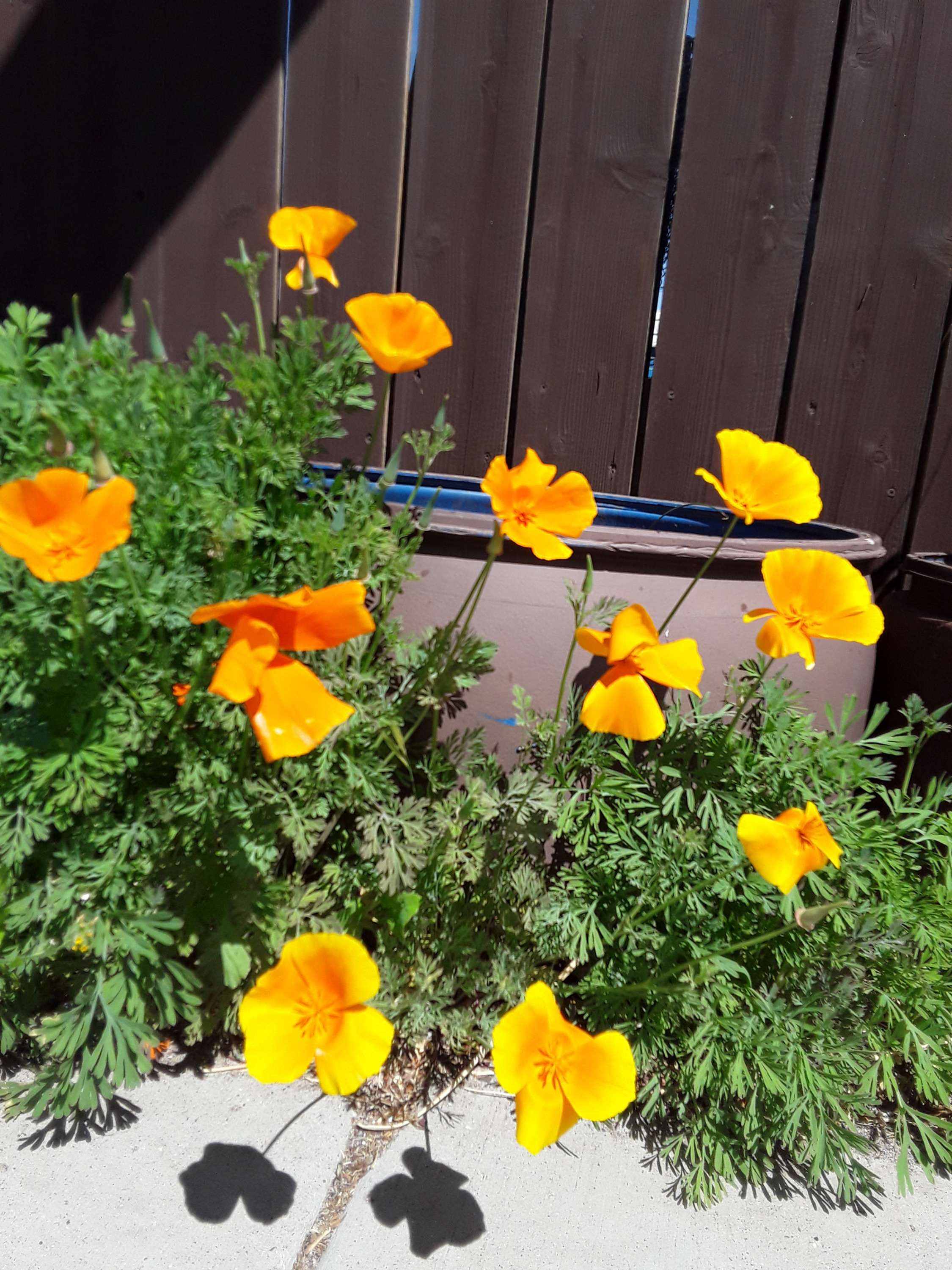
California Poppies
Golden California state flower — a drought-tolerant wildflower that self-sows for effortless beauty year after year. The silky, tissue-paper petals glow in the sun and close on cloudy days. Growing tips: Scatter seeds in fall or very early spring directly on prepared soil — California poppies need no pampering. They thrive on neglect and actually prefer our poor, well-drained Owens Valley soil. Overwatering and rich soil make them leggy. Once established, they self-sow prolifically and naturalize beautifully. They are perennial in our climate, dying back in winter and returning in spring. The blue-green ferny foliage is attractive even when plants are not in bloom.
$4.00
Flowers
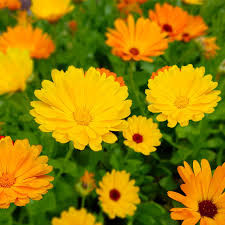
Marigold
Bright, cheerful marigolds that earn their place in every garden as both beauty and bodyguard. They repel many common pests, attract pollinators, and bloom nonstop from planting to frost. Growing tips: Marigolds are one of the most foolproof annual flowers. Direct sow or transplant after last frost. Deadhead spent blooms to keep them flowering. French marigolds (smaller) are best for pest deterrence near vegetables; African marigolds (taller) make a bigger visual impact. In our climate, marigolds thrive on neglect — they prefer less water and lean soil. Plant them around tomatoes, peppers, and squash as companion plants.
$4.00
Flowers
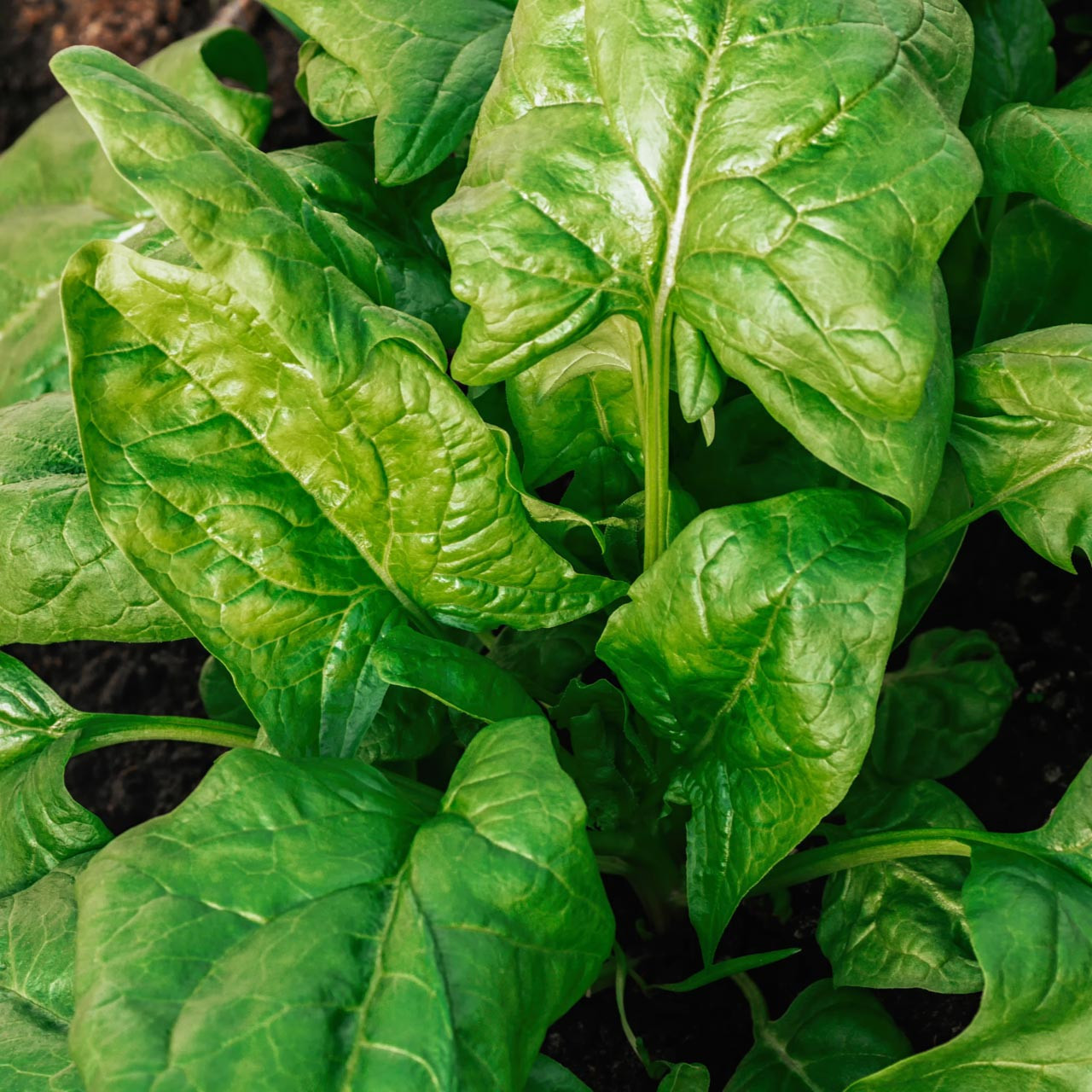
Nobel Giant
Nobel Giant zinnia — massive, dahlia-like blooms up to 5 inches across in rich, saturated colors. These are the showpiece zinnias for anyone who wants dramatic, jaw-dropping cut flowers. Growing tips: Same easy care as all zinnias — direct sow in warm soil, full sun, good air circulation. Nobel Giants grow 3-4 feet tall and may need staking in windy locations. The huge, fully double blooms last exceptionally long as cut flowers — up to two weeks in a vase. Cut in the morning when flowers are just fully open. These are the zinnias you bring to a dinner party and everyone asks about.
$4.00
Flowers
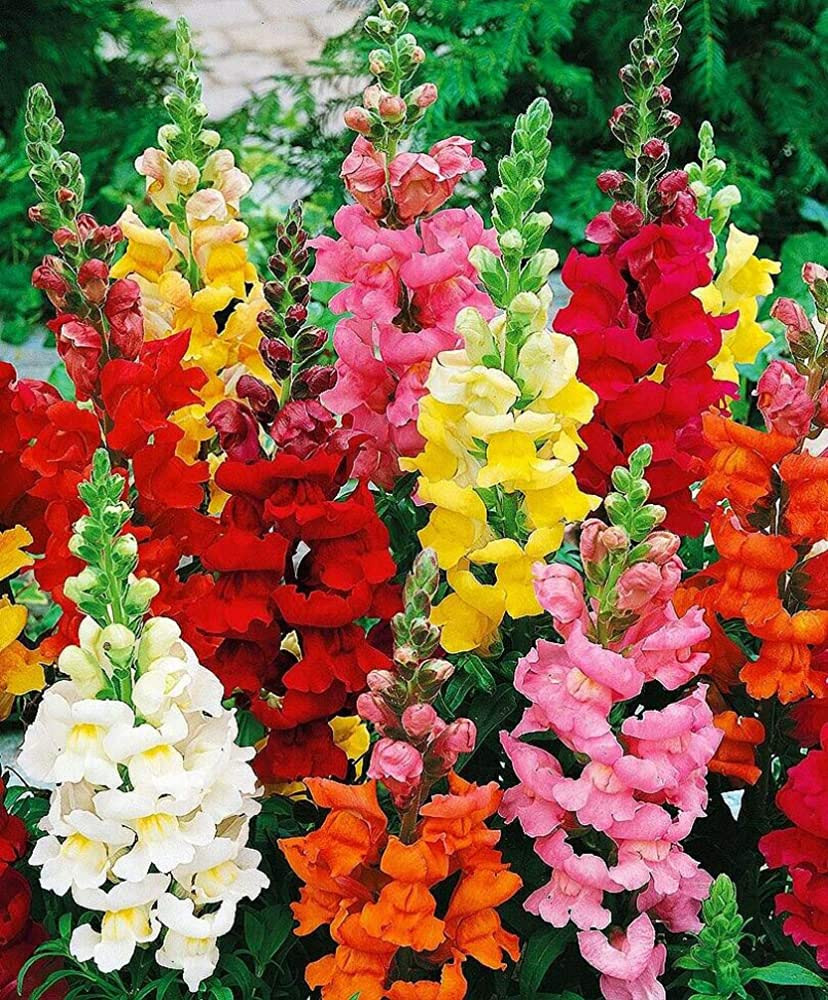
Snapdragon
Charming snapdragons with flower spikes in every color of the rainbow. Kids love squeezing the dragon "mouths" open — adults love the vertical drama and cottage-garden charm. Excellent cut flowers. Growing tips: Snapdragons are cool-season flowers that bloom best in spring and fall. In Big Pine, plant transplants in early spring for spring-through-early-summer bloom. They may pause in the hottest part of summer, then rebloom in fall. Pinch the first central spike to encourage branching and more flower stems. Snapdragons are short-lived perennials that often self-sow. Dwarf varieties work well in containers and borders; tall types are stunning in cutting gardens.
$4.00
Flowers
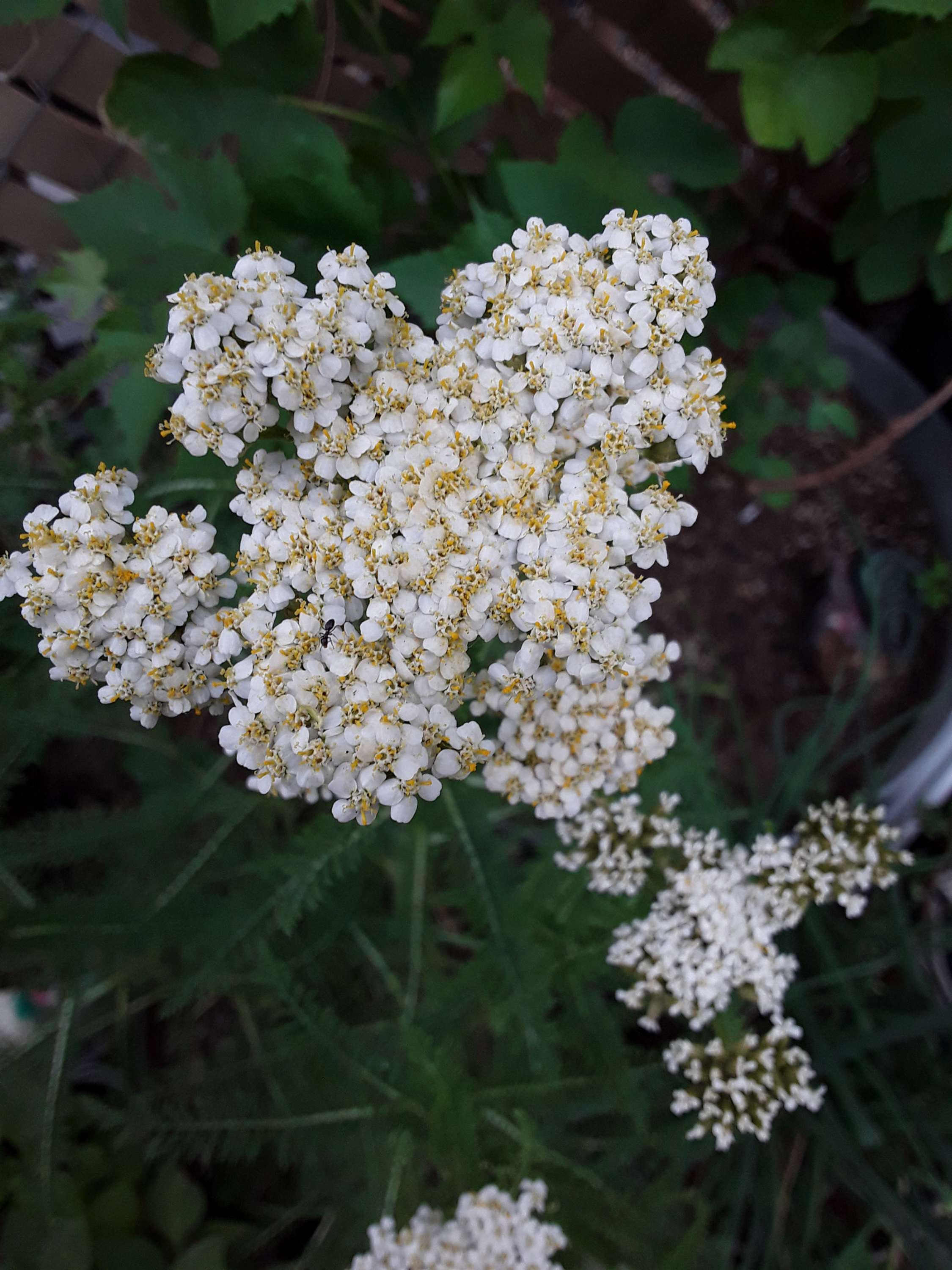
White Yarrow
Tough, drought-tolerant perennial with flat clusters of tiny white flowers that bloom all summer. Yarrow is both a beautiful landscape plant and a traditional medicinal herb with a history stretching back thousands of years. Growing tips: Yarrow is nearly indestructible in our climate — drought-tolerant, cold-hardy, and pest-free. It spreads by both seeds and rhizomes to form an attractive ground-covering colony. Excellent in pollinator gardens and xeriscaping. The flowers dry beautifully for arrangements. Medicinally, yarrow has been used for wound healing and as an anti-inflammatory tea. Pair with other drought-tolerant perennials like lavender and sage for a low-water, high-impact garden.
$4.00
Flowers
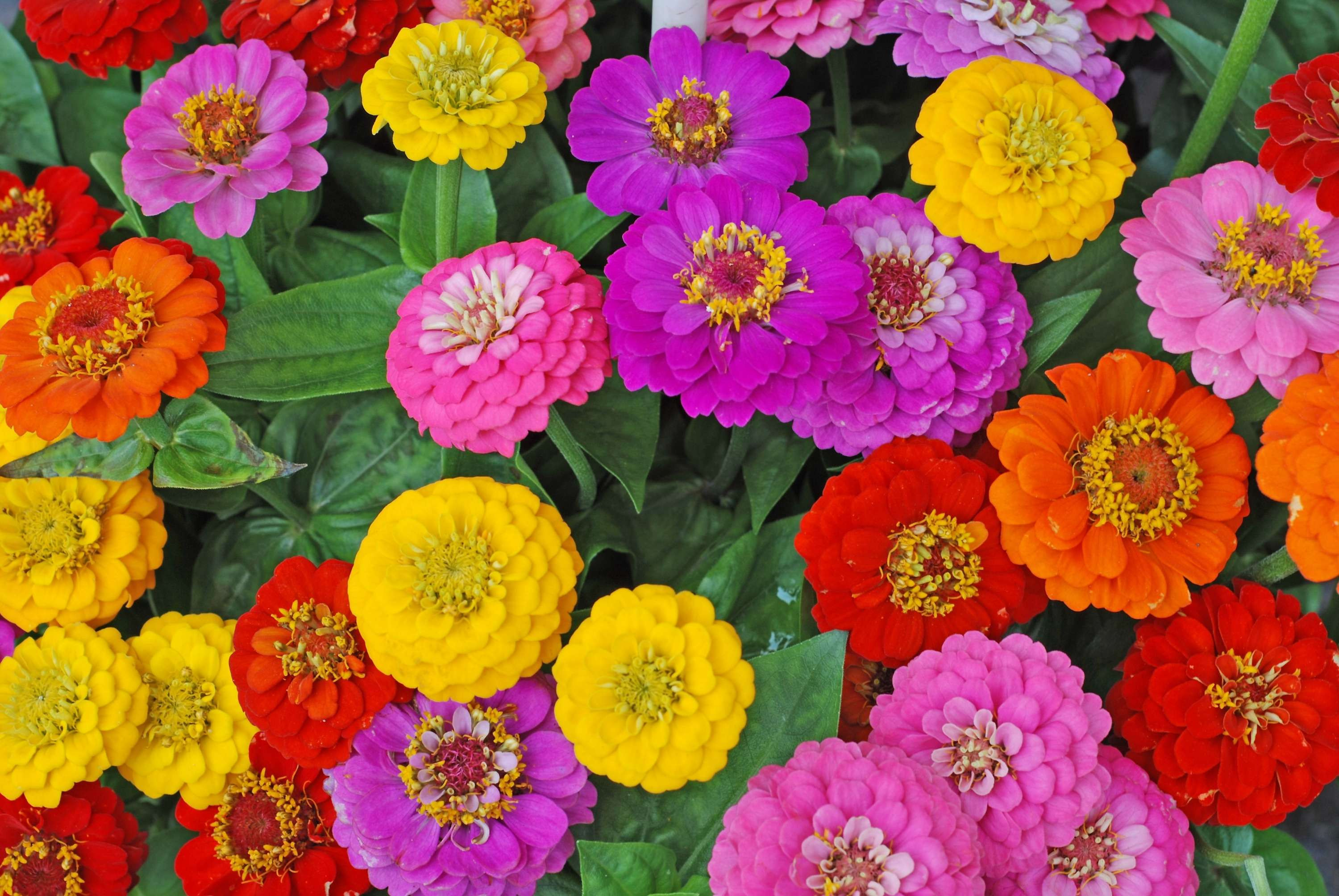
Zinnia
Vibrant, long-lasting zinnias in a rainbow of colors that bloom from midsummer until frost. The ultimate cut-and-come-again flower — the more you cut, the more they bloom. Growing tips: Direct sow after last frost — zinnias grow fast in warm soil. They are tailor-made for our Owens Valley climate: they love heat, full sun, and can handle our alkaline soil. Space plants for good air circulation to prevent powdery mildew. Deadhead regularly or, better yet, cut armloads of flowers for the house — cutting encourages more blooms. Mix heights and colors for a cottage-garden look. Zinnias attract butterflies like no other flower.
$4.00