Herbs
Culinary and medicinal herbs grown with organic practices.
Grow-to-order: We start most plants from seed after you order. Place your order early and we grow your plants until the weather is ready — then pick up in Big Pine or get local delivery. You can also find us at weekend sales at our home, farmers markets in Big Pine and Bishop, and tribal community events throughout the season.
Herbs
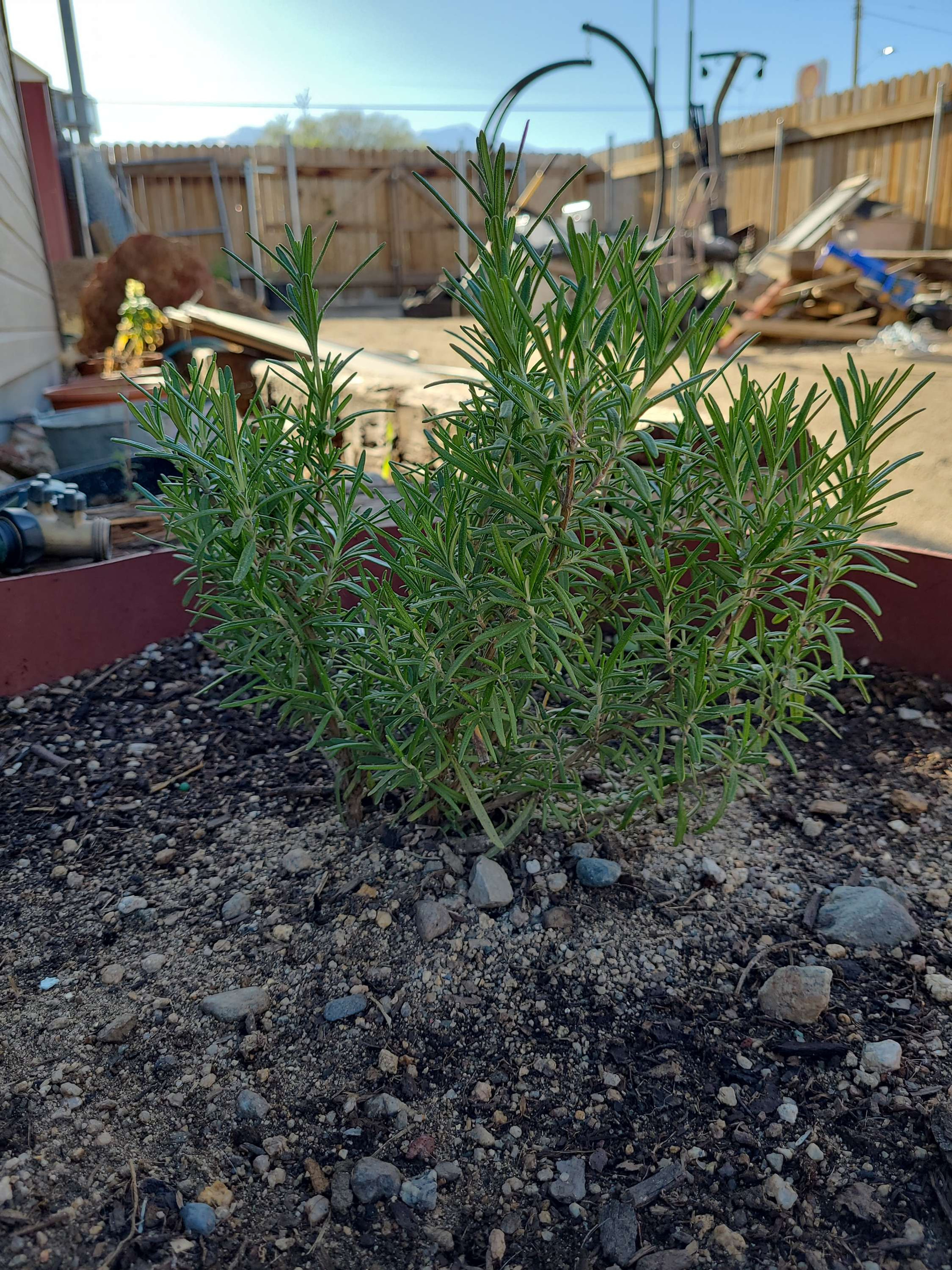
Rosemary
Aromatic, drought-tolerant rosemary — a perennial herb that earns its place in every garden. Wonderful for roasting meats, flavoring bread, infusing olive oil, and simply brushing past for the fragrance. Growing tips: Rosemary is a Mediterranean native that loves our dry Owens Valley climate. Once established, it needs very little water. Full sun, well-drained soil, and protection from the harshest winter winds are all it asks. In Big Pine, it may need winter mulching in exposed locations. One plant provides more rosemary than most cooks can use. Prune regularly to maintain shape and encourage bushy growth. Excellent in containers on a sunny patio.
$6.00
Herbs
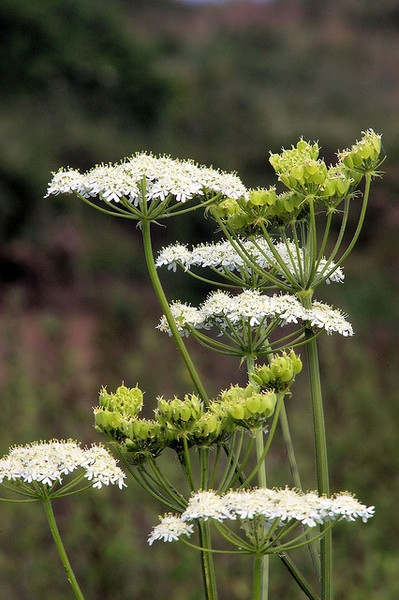
Anise
Sweet, warm, licorice-flavored herb used in baking, teas, liqueurs, and Mediterranean/Middle Eastern cooking. The seeds are the main harvest — wonderful in cookies, bread, and chai spice blends. Growing tips: Anise needs a long, warm growing season to produce seeds — our Owens Valley summers are ideal. Direct sow in spring after frost danger. Plants grow 18-24 inches tall with delicate, feathery foliage and white flower umbels. Harvest seed heads when they turn gray-brown and dry them fully before storing. The leaves are also edible and have a milder anise flavor — add young leaves to salads. Anise pairs beautifully with fennel and star anise in spice blends.
$4.00
Herbs
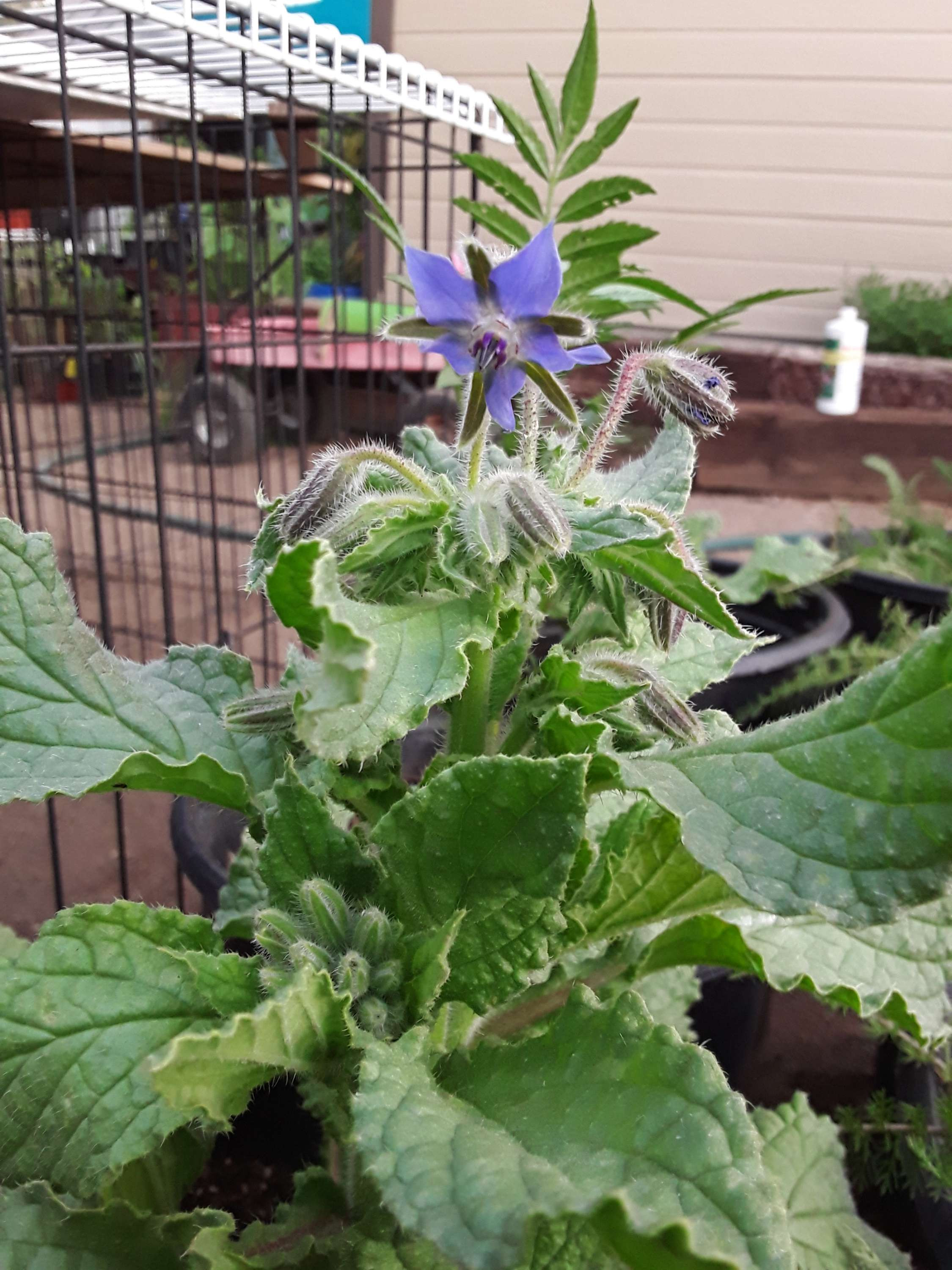
Borage
Beautiful blue star-shaped flowers with a mild cucumber flavor. Borage is a triple-threat: ornamental beauty, culinary herb, and powerhouse companion plant that draws pollinators from across the garden. Growing tips: Direct sow in spring — borage does not transplant well but grows quickly from seed. It self-sows enthusiastically, so you will likely only need to plant it once. The flowers are stunning frozen in ice cubes for summer drinks. Young leaves taste like cucumber and are excellent in salads, though they get prickly when mature. Borage is one of the best companion plants for tomatoes, squash, and strawberries — it repels tomato hornworm and attracts pollinators.
$6.00
Herbs
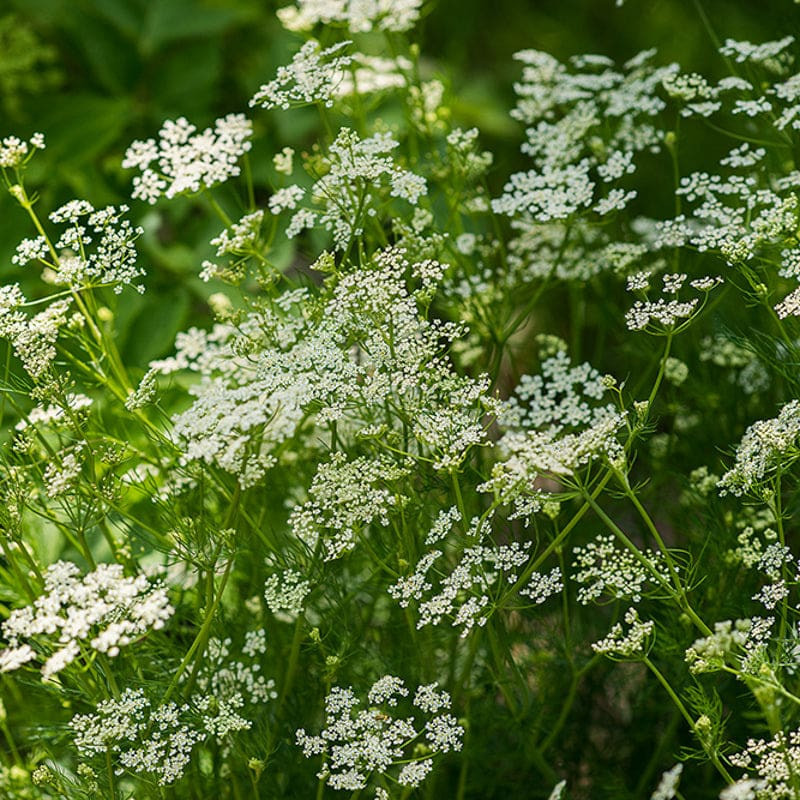
Caraway
Aromatic caraway — the distinctive seed flavor in rye bread, sauerkraut, cheese, and traditional European cuisine. A biennial herb that produces seeds in its second year. Growing tips: Caraway is a biennial — it grows foliage the first year and flowers/seeds the second. Plant in fall or early spring. The feathery foliage resembles carrots (they are related). In our climate, caraway overwinters well and produces abundant seeds the following summer. Harvest seed heads when they begin to brown and dry them in paper bags. Beyond bread, try caraway seeds in roasted cabbage, potato soup, and pork dishes. The taproot is also edible, similar to parsnip.
$4.00
Herbs
Catnip
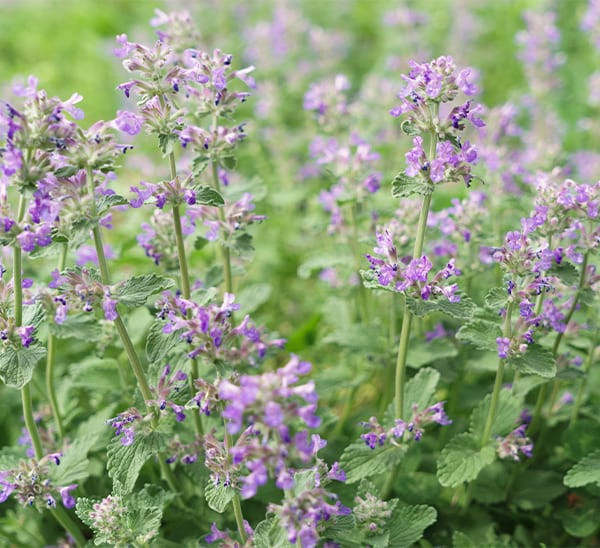
Yes, your cats will love it — but catnip also makes a pleasant, mildly sedative herbal tea for humans. A member of the mint family with similar vigor and growing habits. Growing tips: Like its mint relatives, catnip is a vigorous grower that can spread aggressively. Contain it in a pot or dedicated area. If you have cats, be warned — they may roll in it, eat it, and destroy the plant with love. Plant extras. For tea, harvest stems before flowering, dry them, and steep in hot water. Catnip also repels mosquitoes, aphids, and flea beetles, making it a useful companion plant. The small white-purple flowers attract pollinators.
$6.00
Herbs
Chamomile
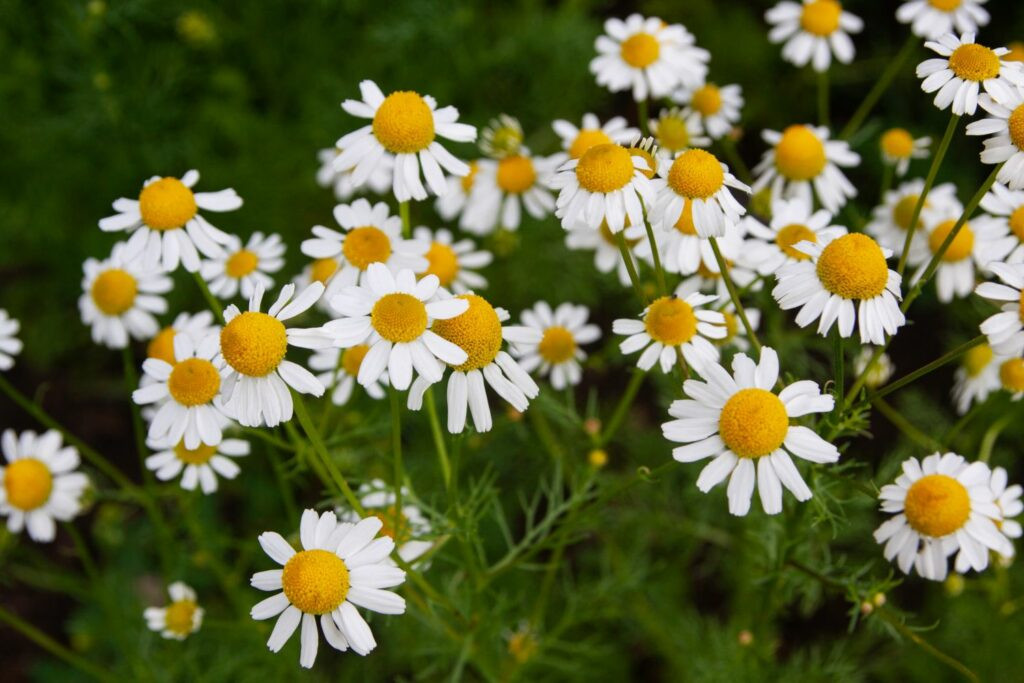
Gentle chamomile with delicate daisy-like flowers and a sweet apple fragrance. The classic herbal tea for relaxation, sleep, and digestive comfort. Beautiful and functional in any garden. Growing tips: Chamomile is easy to grow from seed and self-sows once established. German chamomile is an annual with more abundant flowers; Roman chamomile is a perennial ground cover. Both thrive in our Owens Valley climate. Harvest flowers when petals begin to fold back. Dry on screens in a warm, airy spot and store in airtight containers. One planting often provides chamomile for years via self-seeding. Makes a lovely, fragrant ground cover between stepping stones.
$4.00
Herbs
Chervil
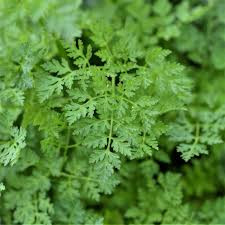
Delicate French herb with lacy leaves and a subtle anise-parsley flavor. One of the classic fines herbes of French cuisine, alongside parsley, chives, and tarragon. Growing tips: Chervil prefers cool weather and partial shade — it bolts quickly in heat. In the Owens Valley, grow it as an early spring and fall crop, or in the shade of taller plants during summer. It is wonderful in omelets, cream sauces, salad dressings, and as a fresh garnish on soups. Use fresh — chervil loses its delicate flavor when dried or cooked too long. Add it at the very end of cooking or use raw for best results.
$4.00
Herbs
Chives
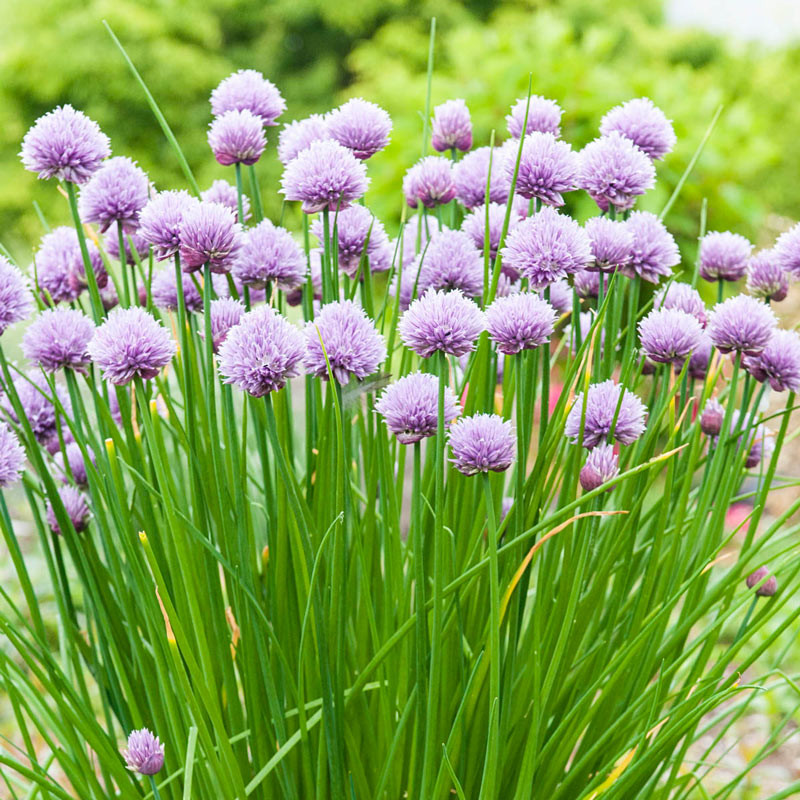
Mild onion-flavored chives with slender hollow leaves and beautiful purple pom-pom flowers in spring. One of the easiest and most rewarding perennial herbs for any garden. Growing tips: Plant once, harvest forever. Chives are an incredibly low-maintenance perennial that returns reliably year after year, expanding their clump over time. Snip leaves with scissors as needed — they regrow quickly. The purple flowers are edible and gorgeous in salads and as garnish. Chives attract pollinators and repel aphids, making them an excellent companion plant. Divide clumps every 3-4 years to share with friends and reinvigorate growth.
$4.00
Herbs
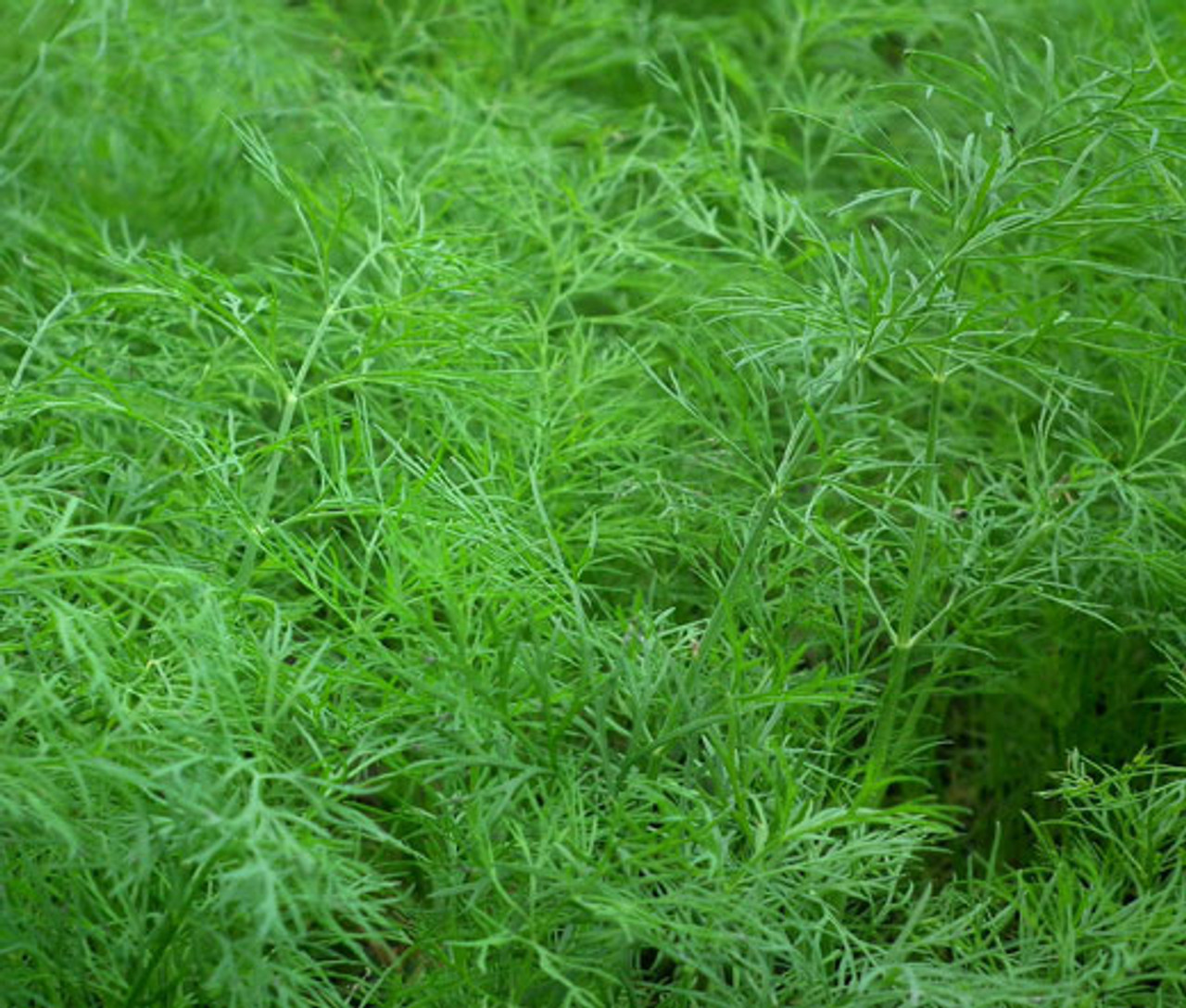
Dill
Feathery, aromatic dill that is essential for pickles, gravlax, potato salad, fish dishes, tzatziki, and so much more. Both the fronds (leaves) and seeds are culinary treasures. Growing tips: Direct sow dill where you want it — it does not transplant well due to its taproot. Succession plant every 3-4 weeks for continuous harvest, as dill goes to flower quickly. In our climate, let some plants go to seed — dill self-sows generously and you will have free dill forever. Dill fronds lose flavor when dried; freeze them in ice cube trays for better preservation. Dill flowers attract beneficial predatory wasps and swallowtail butterflies.
$4.00
Herbs
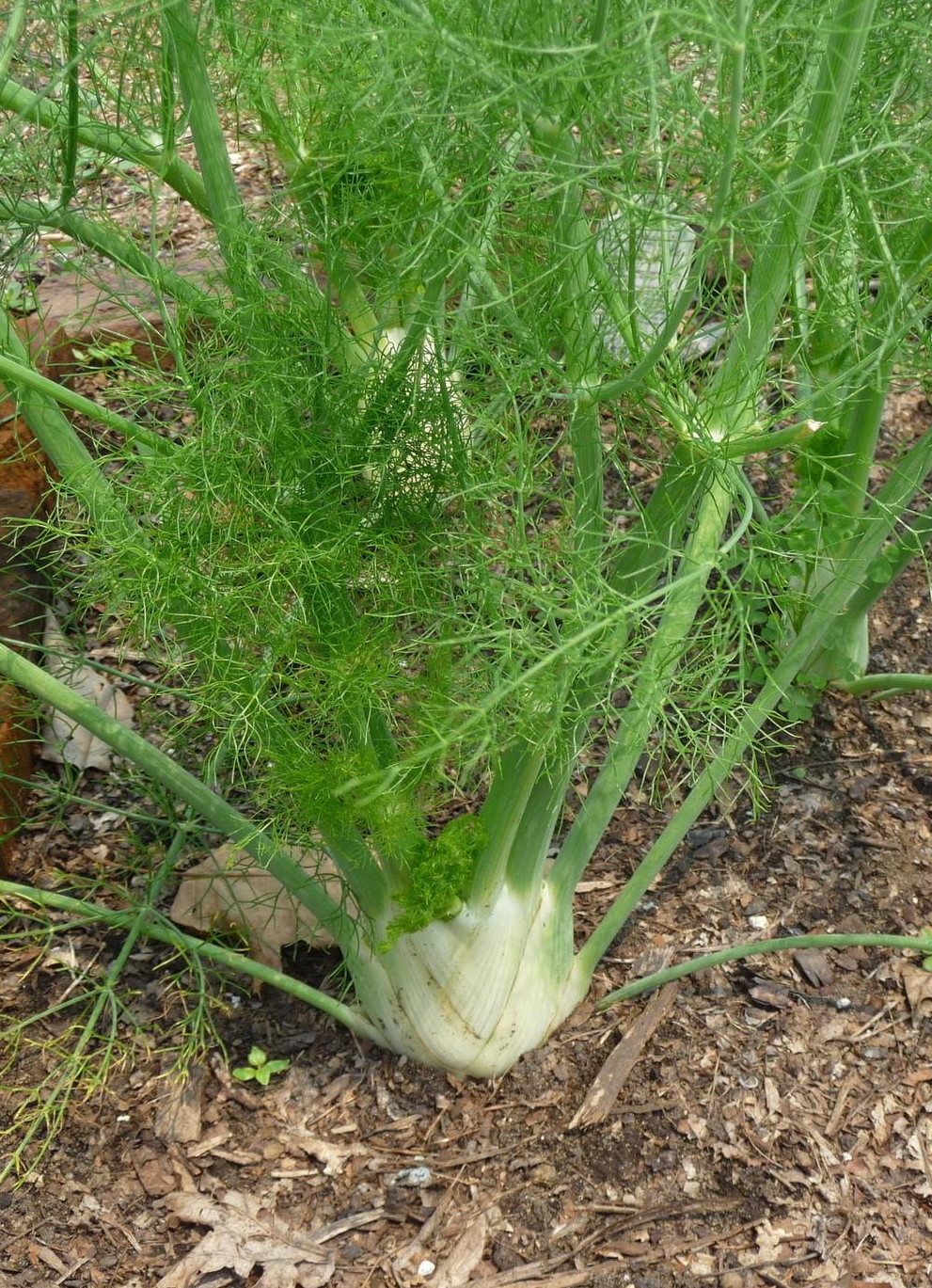
Fennel
Aromatic fennel with anise-flavored fronds, crisp stalks, and (depending on variety) a sweet, crunchy bulb. Every part of the plant is edible and delicious. Fennel also attracts swallowtail butterflies to your garden. Growing tips: There are two types — herb fennel (grown for fronds and seeds) and bulbing fennel (Florence fennel, grown for the bulb). Both thrive in our climate. Bulbing fennel is a cool-season crop; plant in late summer for fall harvest. The bulb is incredible raw in salads, roasted with Parmesan, or braised. Fennel seeds are wonderful in Italian sausage, bread, and tea. Leave some plants for the swallowtail caterpillars — they are beautiful and the plant can handle it.
$4.00
Herbs
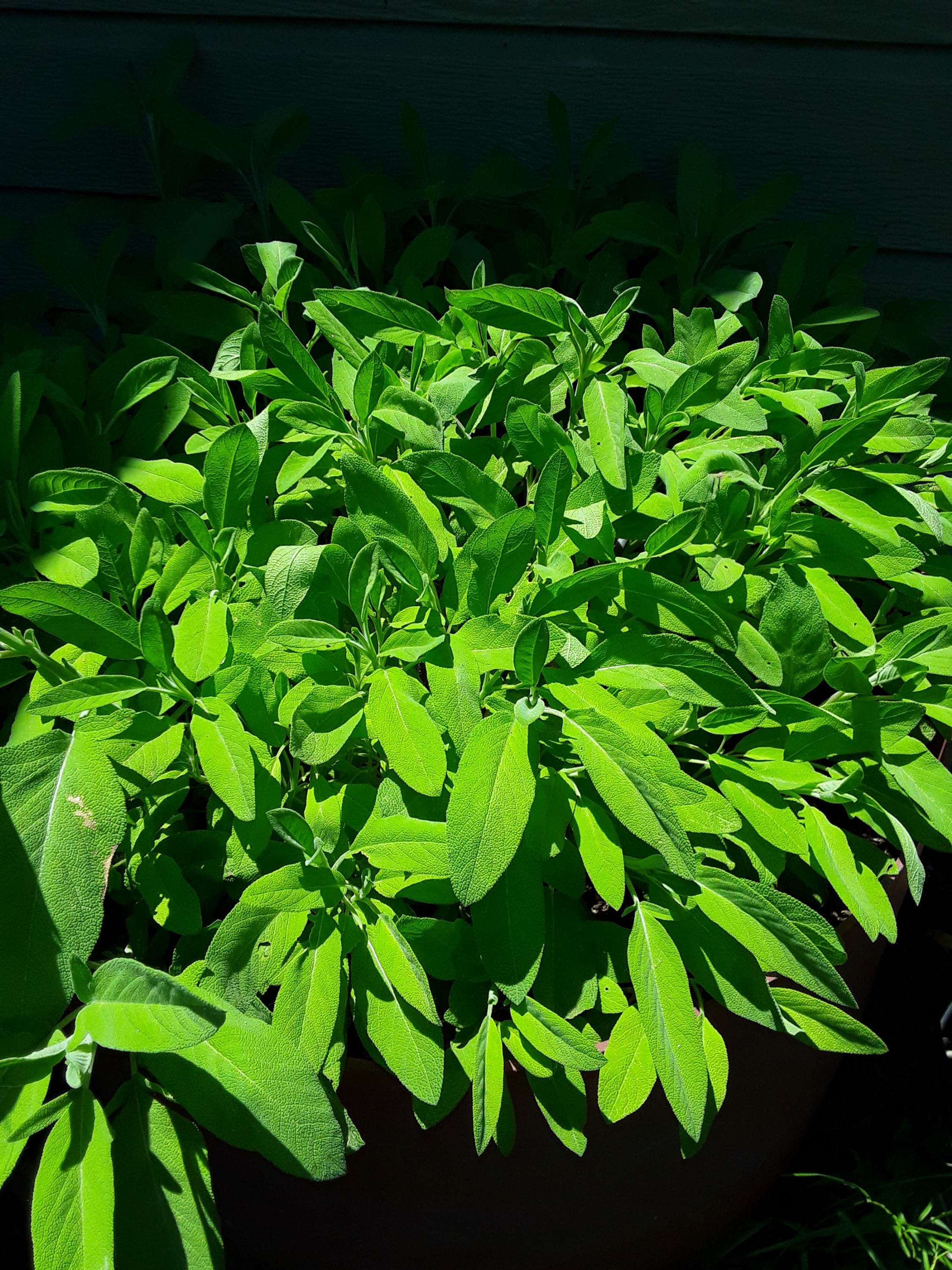
Garden Sage
Classic culinary sage with velvety, gray-green aromatic leaves. An essential herb for Thanksgiving stuffing, brown butter sauce, saltimbocca, sausage seasoning, and fall/winter cooking. Growing tips: Sage is a tough perennial that thrives in our dry, alkaline soil — conditions that many herbs love. Full sun and minimal water once established. Harvest regularly by snipping stems to encourage bushy growth. Sage is semi-evergreen in our climate and can often be harvested year-round with winter protection. The purple flowers in spring attract pollinators. Pair with butternut squash, pork, poultry, and white beans.
$6.00
Herbs
Mint
Refreshing, vigorous mint for mojitos, juleps, teas, tabbouleh, Vietnamese cooking, desserts, and just about everything else. One of the most useful and easiest herbs to grow — almost too easy. Varieties may include: Spearmint, Peppermint, Chocolate Mint, and other mint types. Growing tips: WARNING: Mint is an aggressive spreader. Grow it in containers or a dedicated bed where it cannot escape — we are not kidding about this. That said, it is nearly indestructible and provides unlimited harvests. Full sun to part shade, regular water. Harvest frequently by cutting stems — this keeps plants bushy and prevents flowering. Mint tea is as simple as steeping fresh leaves in hot water. Freeze extra leaves in ice cube trays for winter cocktails.
$6.00
Herbs
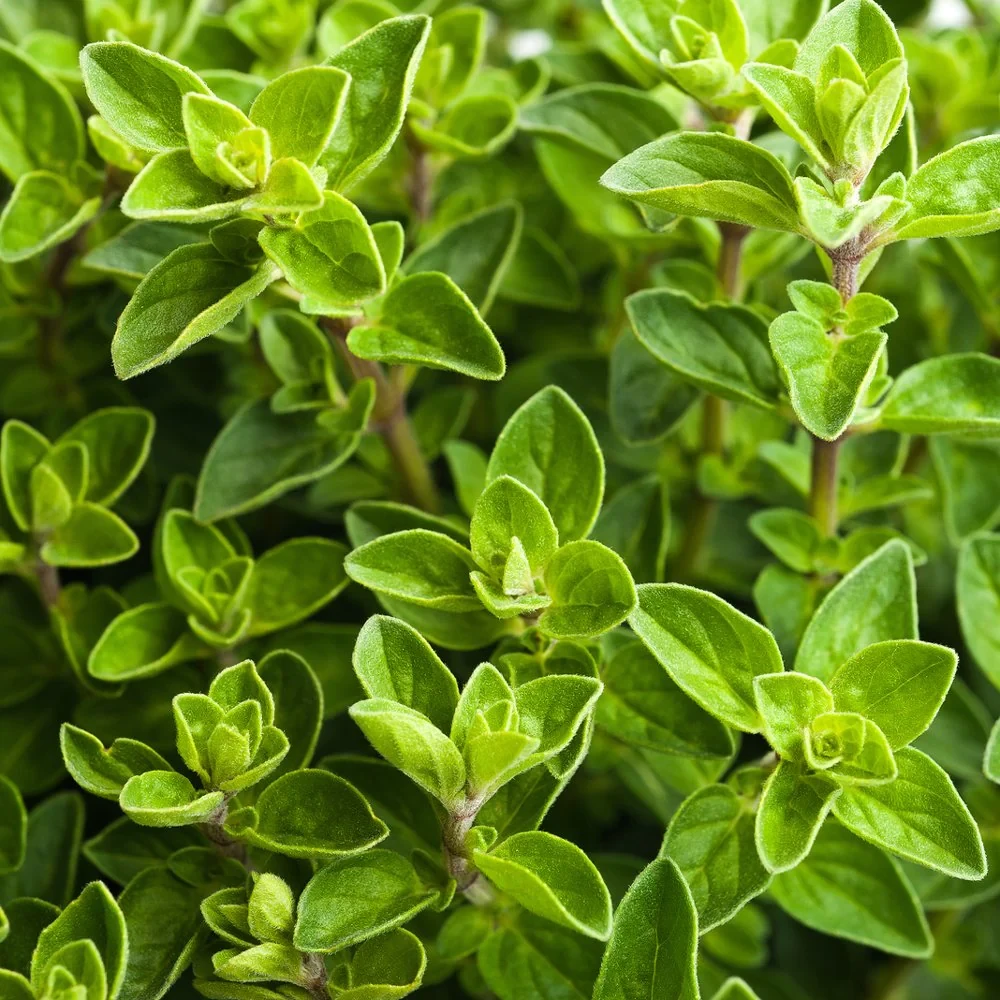
Oregano
Mediterranean oregano with robust, warm flavor essential for Italian, Greek, and Mexican cooking. Pizza, pasta sauce, Greek salads, and grilled meats are all better with fresh oregano. Growing tips: Greek oregano is the variety with the best culinary flavor — make sure you have the real thing (taste a leaf; it should be warm and aromatic, not bland). A tough perennial that thrives in our dry, well-drained Owens Valley soil. Full sun, low water once established. Harvest just before flowering for peak flavor. Oregano dries beautifully — hang bundles in a warm spot and crumble dried leaves into jars for winter cooking.
$6.00
Herbs
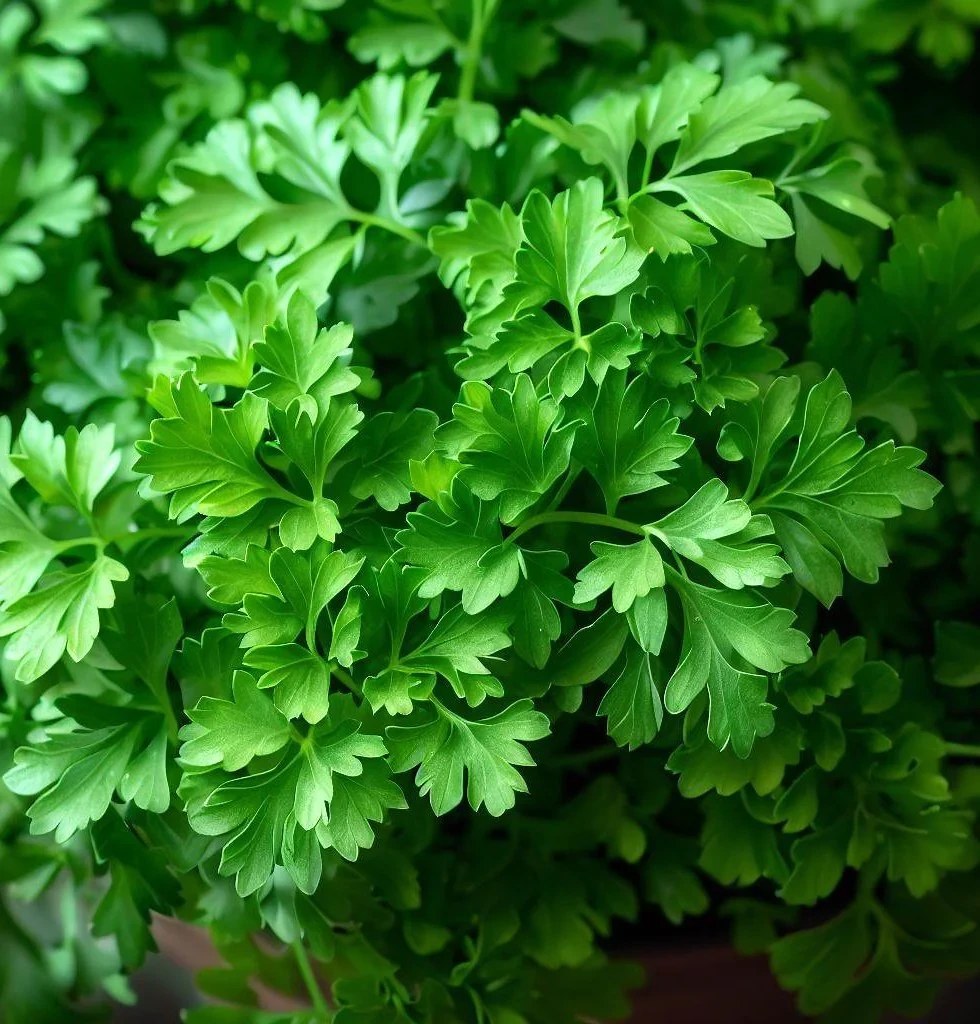
Parsley
Flat-leaf and curly parsley varieties — far more than a garnish. Parsley is a nutritional powerhouse (vitamins A, C, K, iron) and a versatile herb that brightens nearly every savory dish. Growing tips: Parsley is slow to germinate (2-3 weeks) — be patient. Soak seeds overnight to speed things up. Once established, it is hardy and productive. In our Owens Valley climate, parsley often overwinters with mulch protection, producing a second year of growth before going to seed. Flat-leaf (Italian) parsley has stronger flavor; curly parsley has a milder taste and beautiful texture. Use generously — tabbouleh, chimichurri, green sauce, and salsa verde all celebrate parsley as a main ingredient, not a garnish.
$4.00
Herbs
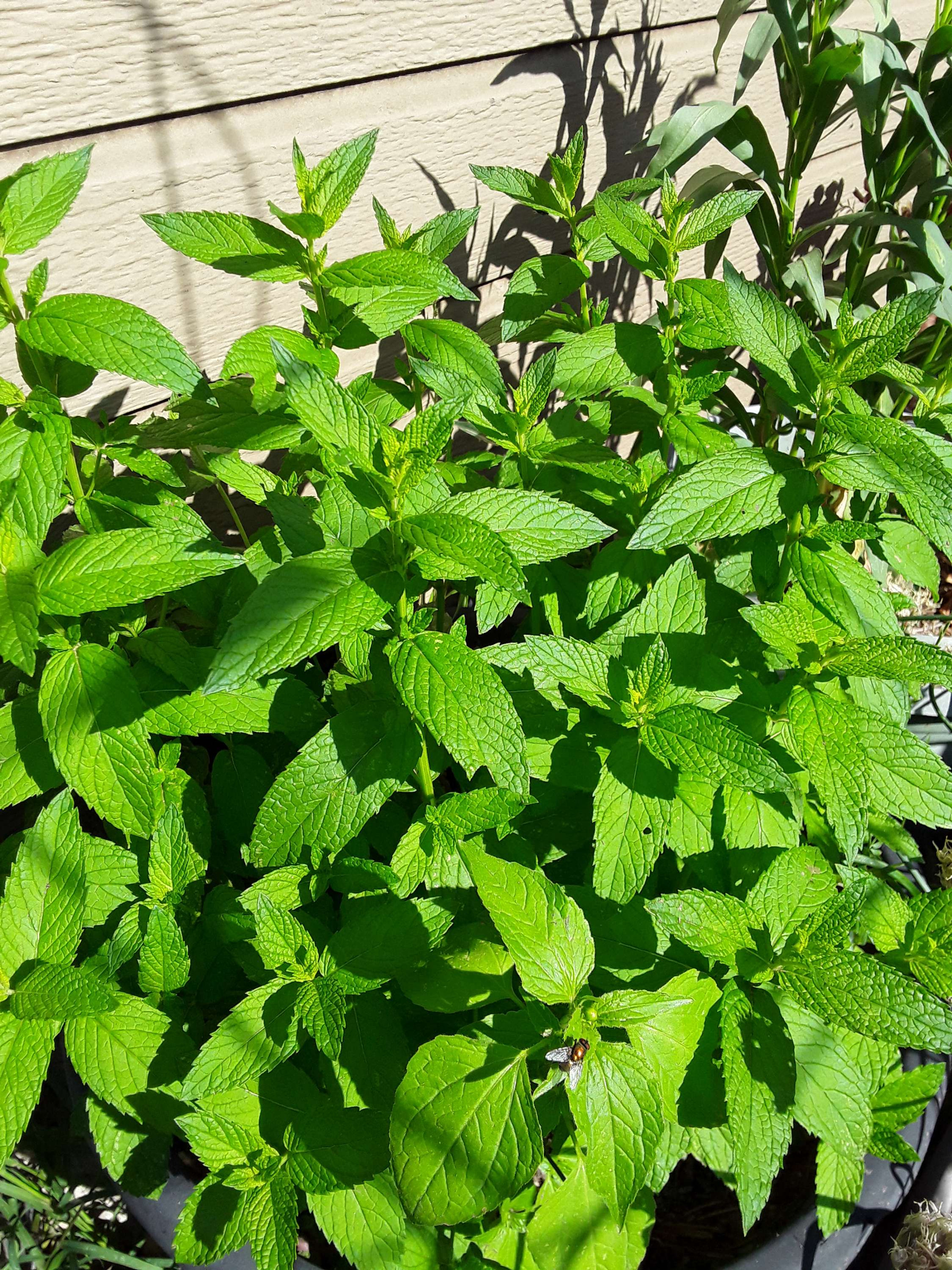
Peppermint
True peppermint with that strong, cooling menthol flavor — more intense than spearmint. Perfect for herbal teas, candy making, desserts, and aromatherapy. A wonderful digestive aid as tea after meals. Growing tips: Peppermint is a natural hybrid of spearmint and watermint. Like all mints, contain it in a pot or dedicated bed. It prefers slightly more moisture than other mints and appreciates afternoon shade in our hot Owens Valley summers. Harvest stems frequently. Dry extra leaves for winter tea — hang bundles upside down in a cool, dark place. Peppermint also repels many pests, making it a good companion plant around the garden perimeter.
$6.00
Herbs
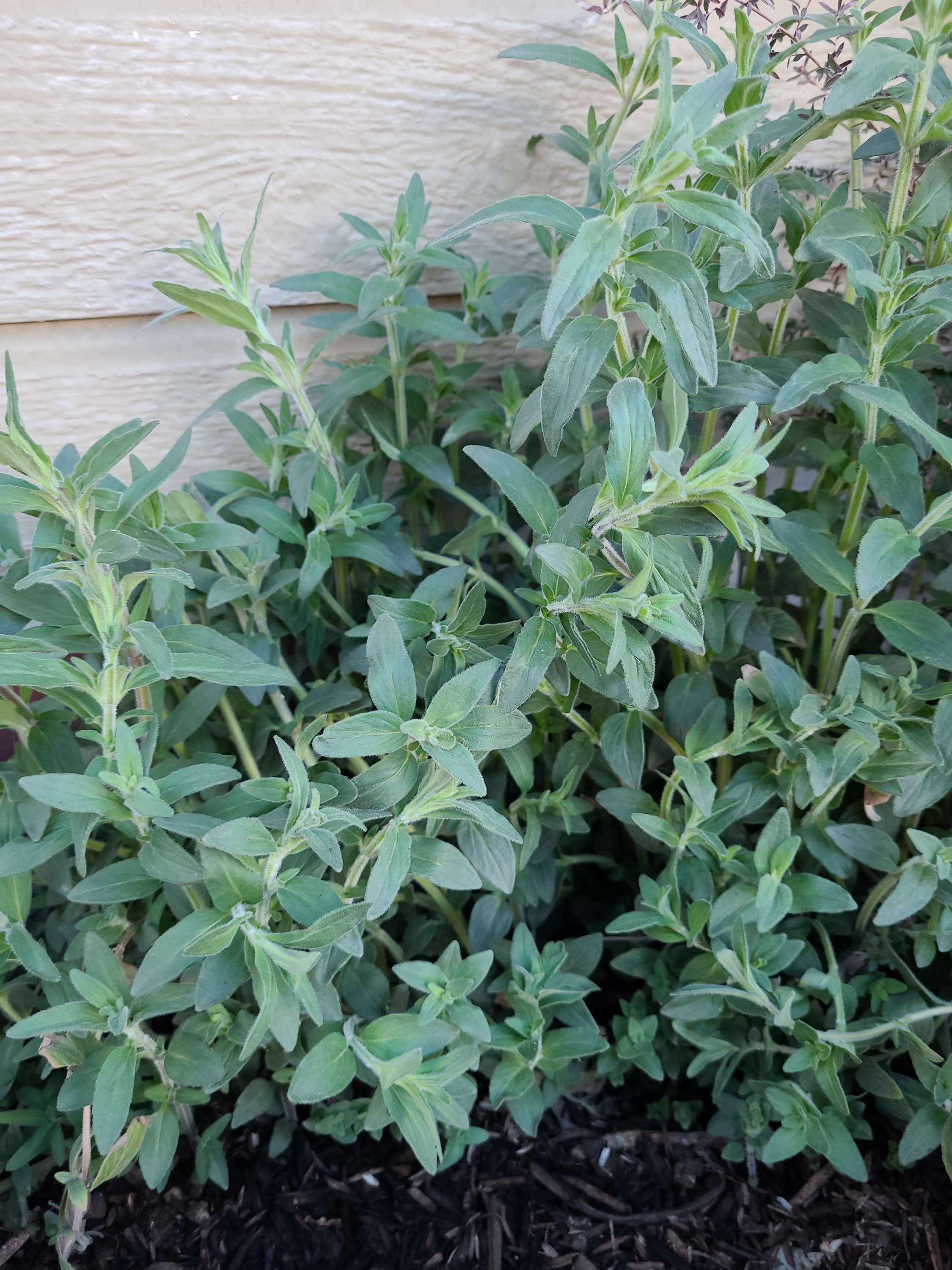
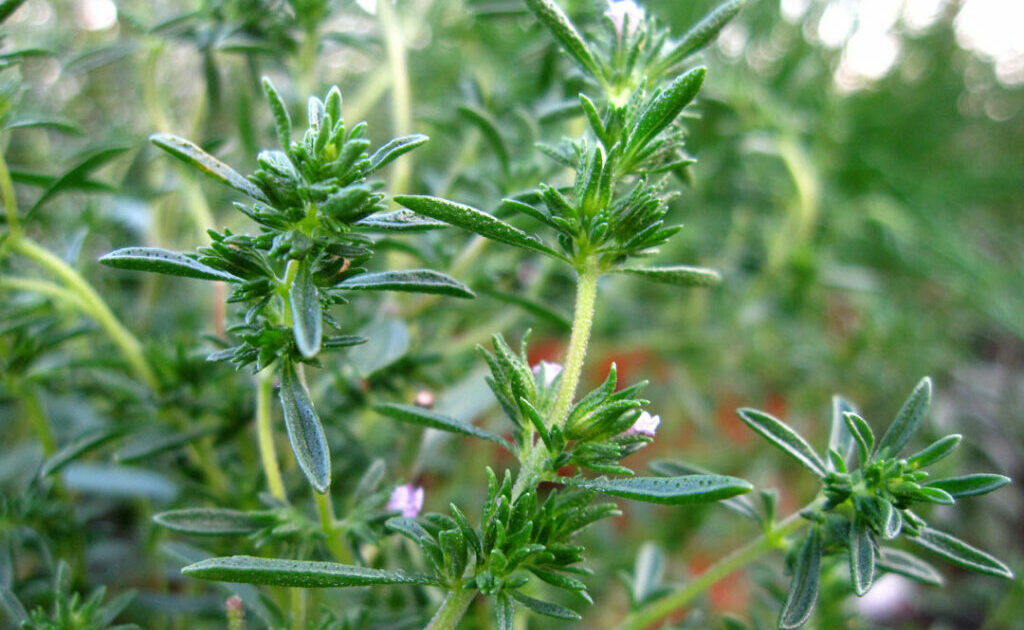
Summer Savory
Peppery, aromatic herb that is traditional with beans and lentils — known as the "bean herb" across European kitchens. A warm-weather annual with fine, delicate leaves and intense flavor. Growing tips: Direct sow after last frost — summer savory grows quickly and easily. It is a natural pairing with all types of beans (reduces gas, too!) and also excellent with eggs, grilled meats, and roasted vegetables. The flavor is peppery and thyme-like. Harvest before flowering for best flavor. Dries well for winter use. Less well-known than many herbs but once you try it with a pot of white beans, you will never cook beans without it again.
$4.00
Herbs
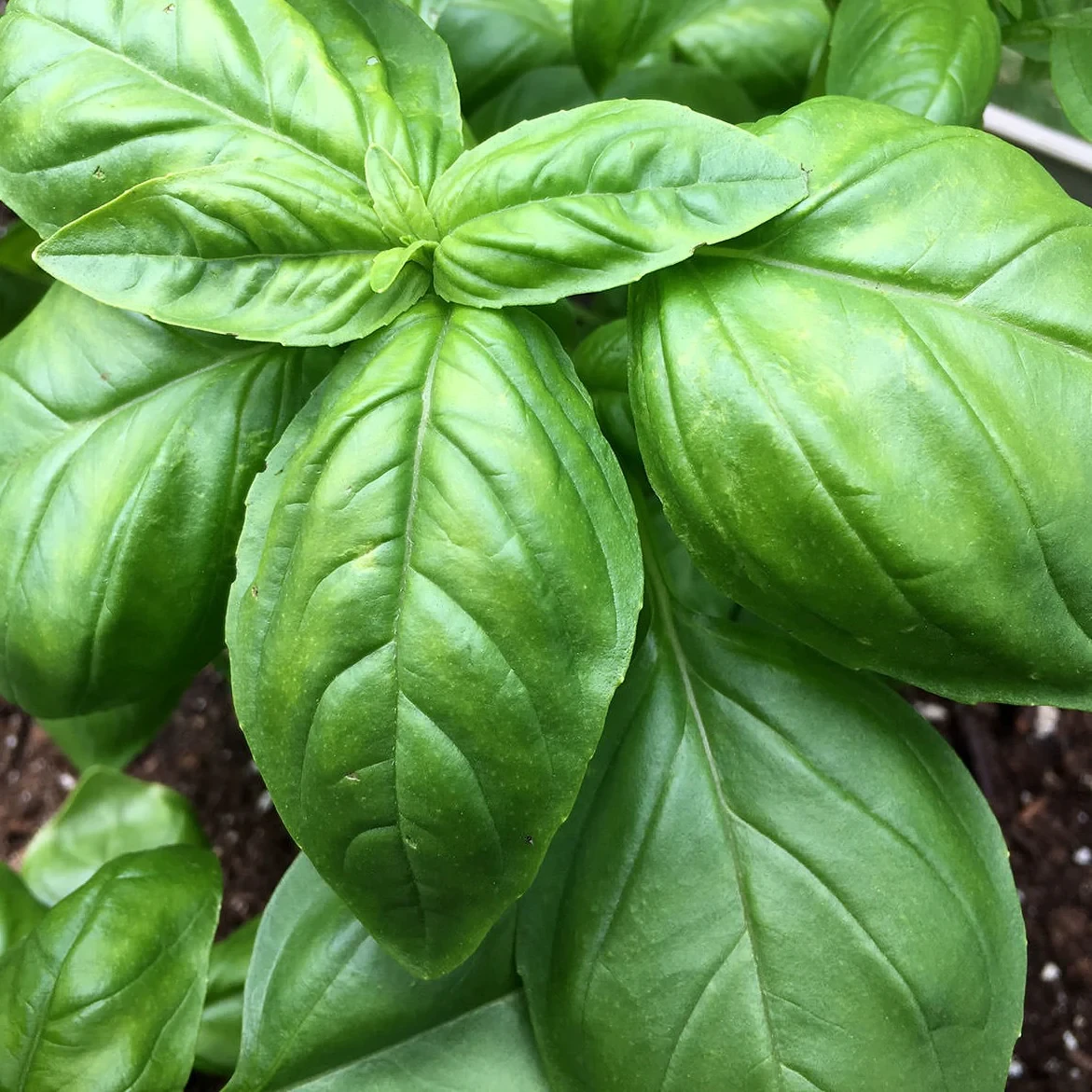
Unknown Basil Variety
A mystery basil with excellent flavor — we are still working on identifying the exact cultivar. What we do know: it grows beautifully in our Big Pine climate, produces abundant aromatic leaves, and makes outstanding pesto. Growing tips: Basil is a warm-weather annual that hates cold — do not plant until nighttime temperatures are reliably above 50°F (late May/early June in Big Pine). Full sun, consistent moisture, and rich soil. Pinch off flower buds as they appear to prolong leaf production. Harvest from the top down, cutting just above a leaf pair to encourage branching. Basil does not store well fresh — make pesto and freeze it, or dry leaves for winter use.
$4.00